21 Yoga Poses for Two People: A Complete Partner Yoga Guide for Connection, Balance & Flexibility
Partner yoga is more than a shared workout — it is a powerful way to build trust, improve communication, deepen flexibility, and create a mindful connection with another person. Whether you are practicing with a friend, partner, or fellow yogi, these two-person poses offer balance, strength, and a refreshing sense of unity.
This complete guide covers 21 yoga poses for two people, including clear instructions, benefits, and safety tips for every pose. Each pose is beginner-friendly and can be easily adapted for comfort or skill level.
What Is Partner Yoga?
Partner yoga is a style of yoga where two people work together to perform stretches, balance postures, and mindful breathing exercises. The purpose is not perfection — it is connection, awareness, and shared strength.
Benefits of Partner Yoga
- Builds trust and communication
- Increases flexibility
- Enhances balance and core strength
- Reduces stress through synchronized breathing
- Deepens emotional or relational connection
- Makes yoga fun and engaging
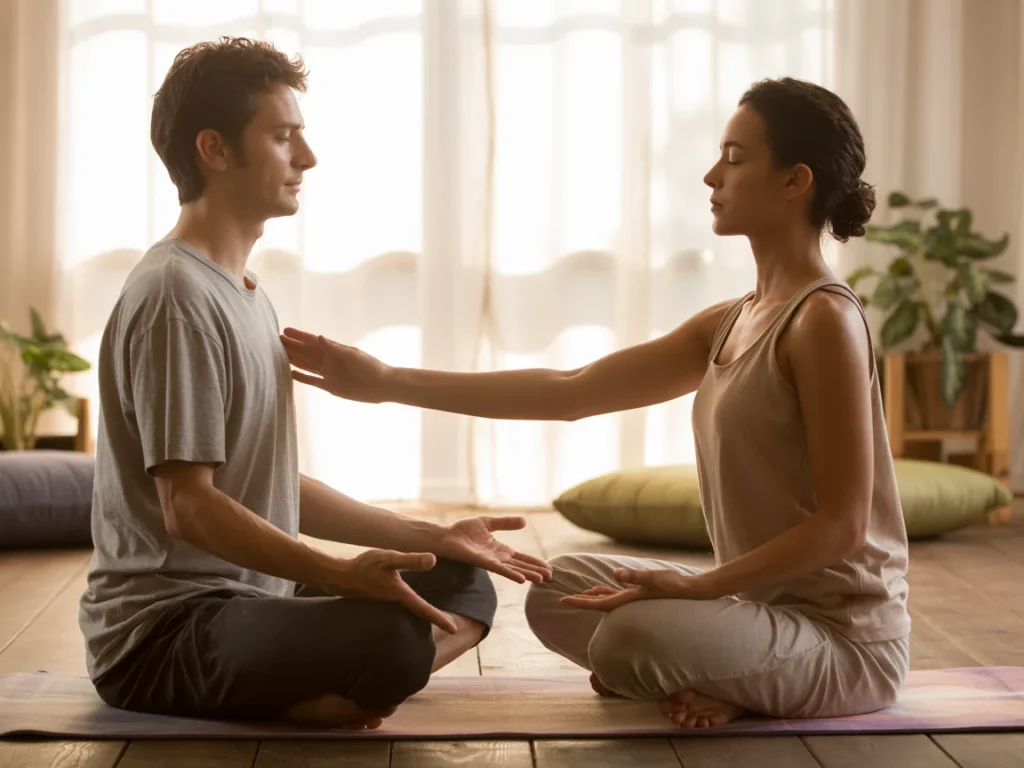
1. Seated Centering & Breath Connection (Easy Warm-Up)
How to Do It
Both partners sit cross-legged facing each other. Place your right hand on your partner’s heart and your left hand on your own heart. Close your eyes and breathe together for 1–2 minutes.
Benefits
- Creates emotional grounding
- Syncs breathing rhythms
- Builds awareness before moving into poses
Safety Tip
Keep shoulders relaxed and avoid leaning forward.
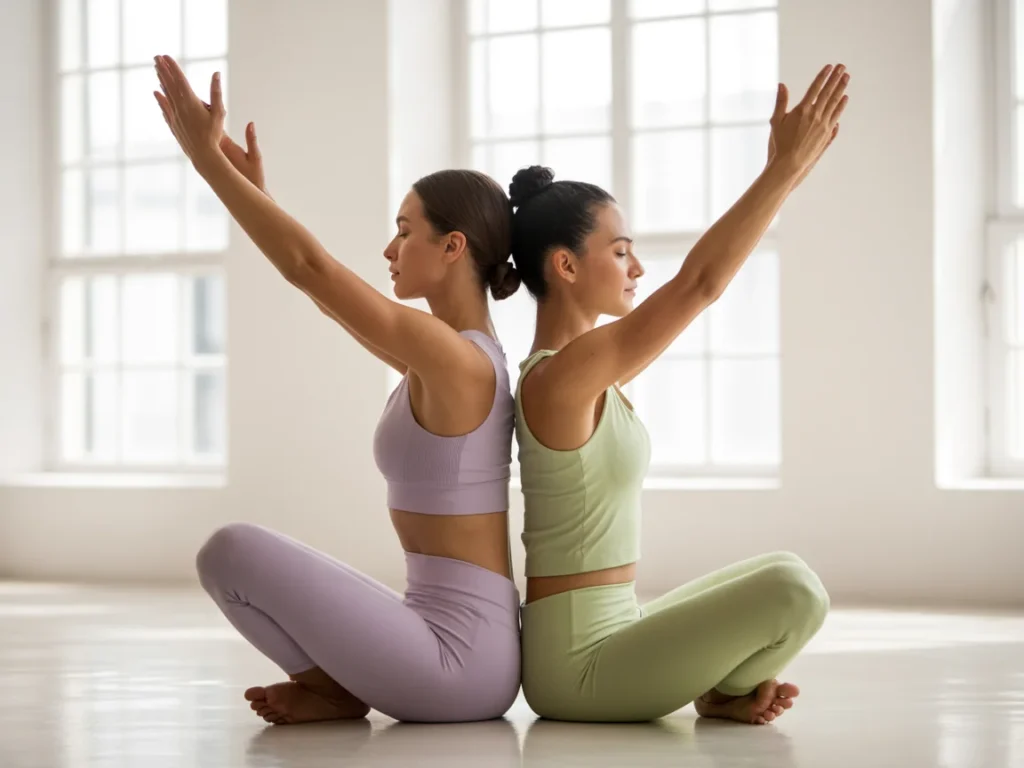
2. Back-to-Back Seated Mountain Pose
How to Do It
Sit back-to-back with your partner. Extend your spine tall, resting gently on one another. Inhale as both raise arms overhead, exhale lowering arms.
Benefits
- Improves posture
- Strengthens the spine
- Promotes shared rhythm and calm
Safety Tip
Do not lean too heavily into your partner — aim for equal weight.
3. Double Seated Twist
How to Do It
Sit back-to-back. Inhale tall. Exhale as you both twist: one person twists right, the other twists left. Hold your partner’s knee or thigh for support.
Benefits
- Increases spinal mobility
- Releases back tension
- Encourages coordinated breathing
Safety Tip
Do not pull or force your partner into a twist.

4. Partner Forward Fold (Seated)
How to Do It
Sit facing each other, legs extended and feet touching. One partner folds forward while the other gently leans back.
Benefits
- Deep hamstring stretch
- Back release
- Excellent trust-building posture
Safety Tip
Lean gently — avoid pulling arms too strongly.
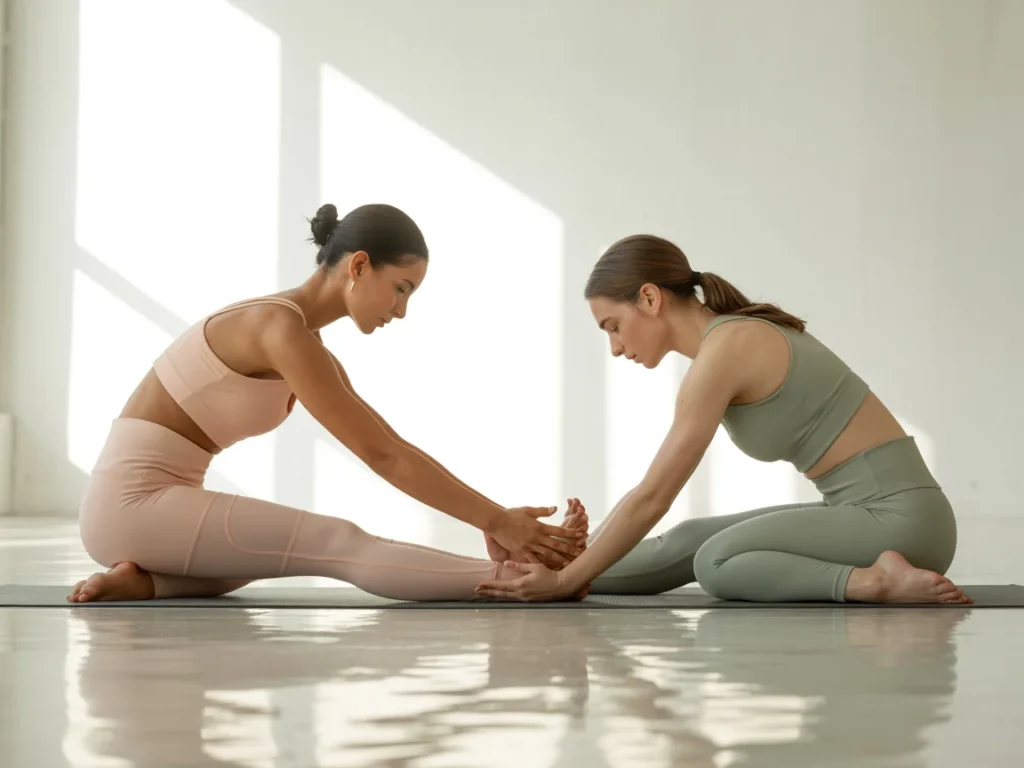
5. Seated Wide-Leg Forward Fold (Double Straddle)
How to Do It
Both partners sit in a wide-leg straddle facing each other. Hold hands and alternate leaning forward.
Benefits
- Opens hips
- Lengthens hamstrings
- Deepens flexibility safely

6. Two-Person Standing Forward Fold
How to Do It
Stand back-to-back. Slowly fold forward together, interlace arms, and gently sway side-to-side.
Benefits
- Reduces back pressure
- Stretches hamstrings
- Encourages synchronized movement
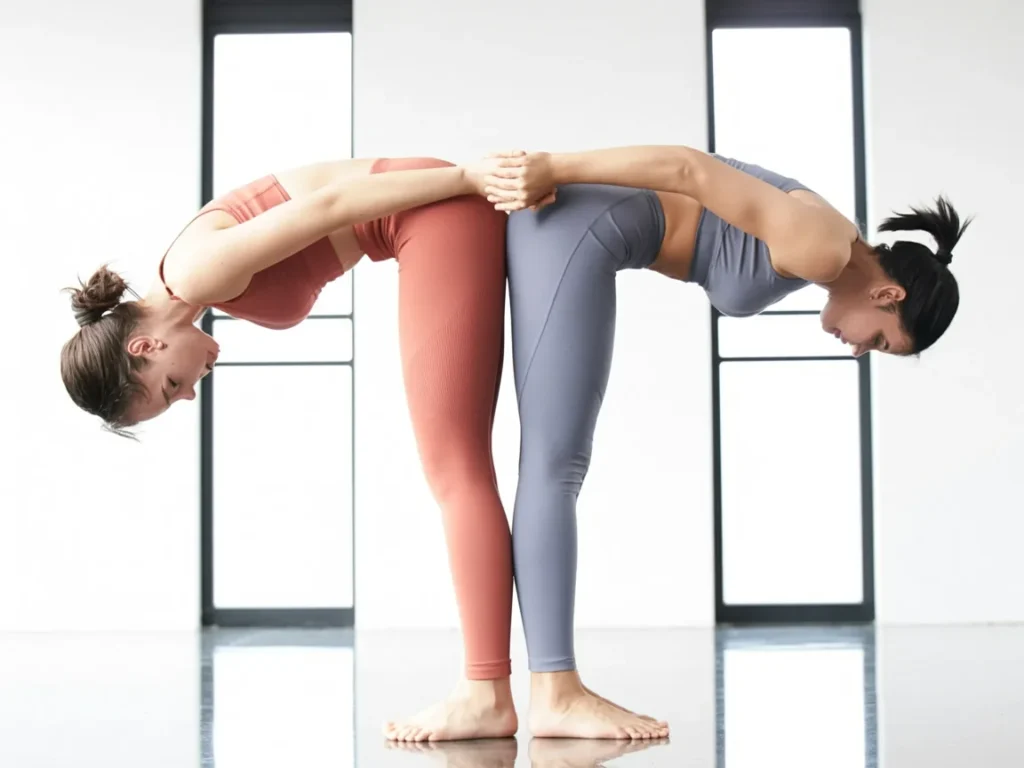
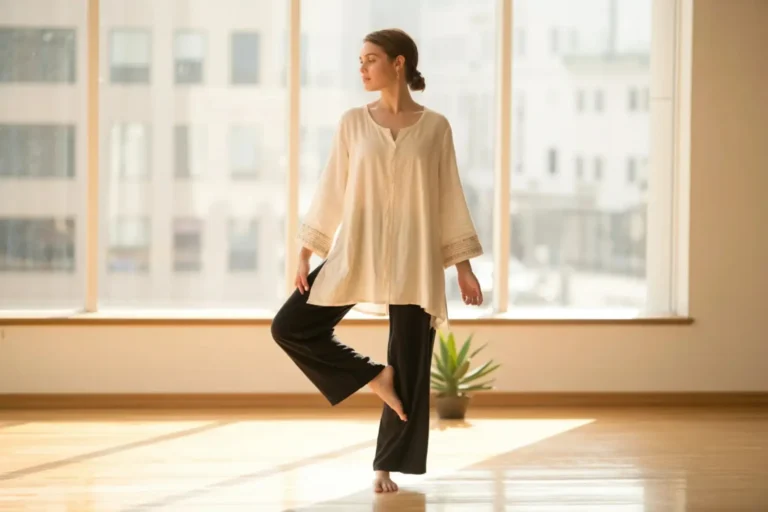
7. Partner Tree Pose
How to Do It
Stand side by side. Press palms together and lift your outer foot into Tree Pose.
Benefits
- Improves balance
- Strengthens legs
- Enhances teamwork
Safety Tip
Look at a fixed point to avoid wobbling.

9. Double Chair Pose
How to Do It
Stand facing each other, hold hands, and lower into Chair Pose at the same time.
Benefits
- Strengthens quads and glutes
- Improves stability

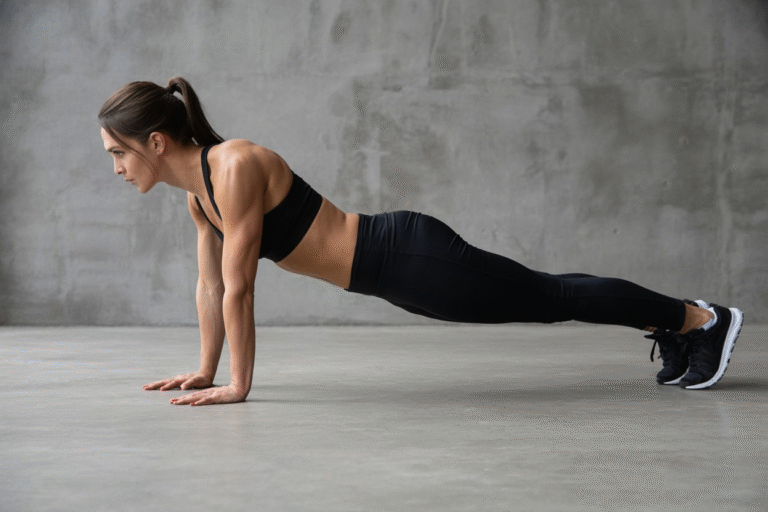
11. Double Plank Hold
How to Do It
Both partners hold a plank facing each other. Tap opposite hands five times.
Benefits
- Increases core stability
- Builds shoulder strength
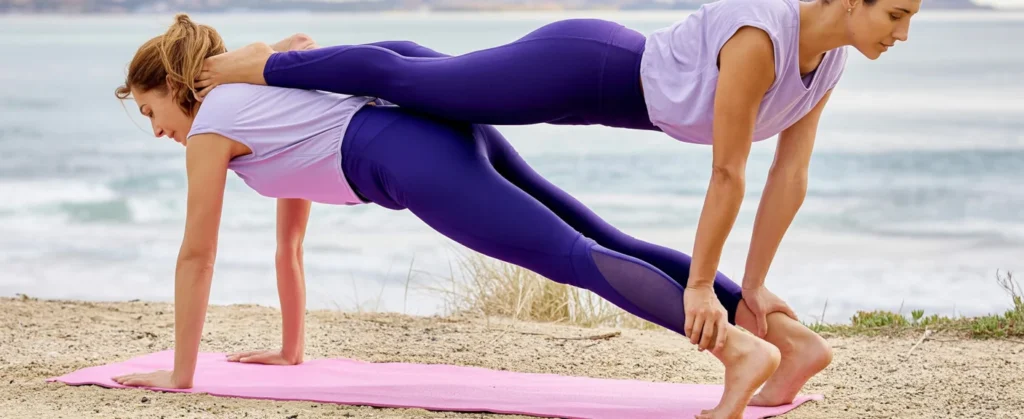
12. Plank on Plank (Acro Variation)
How to Do It
One partner holds a plank. The second partner places hands on the first partner’s ankles, creating a plank above them.
Benefits
- Full-body strength
- Balance training
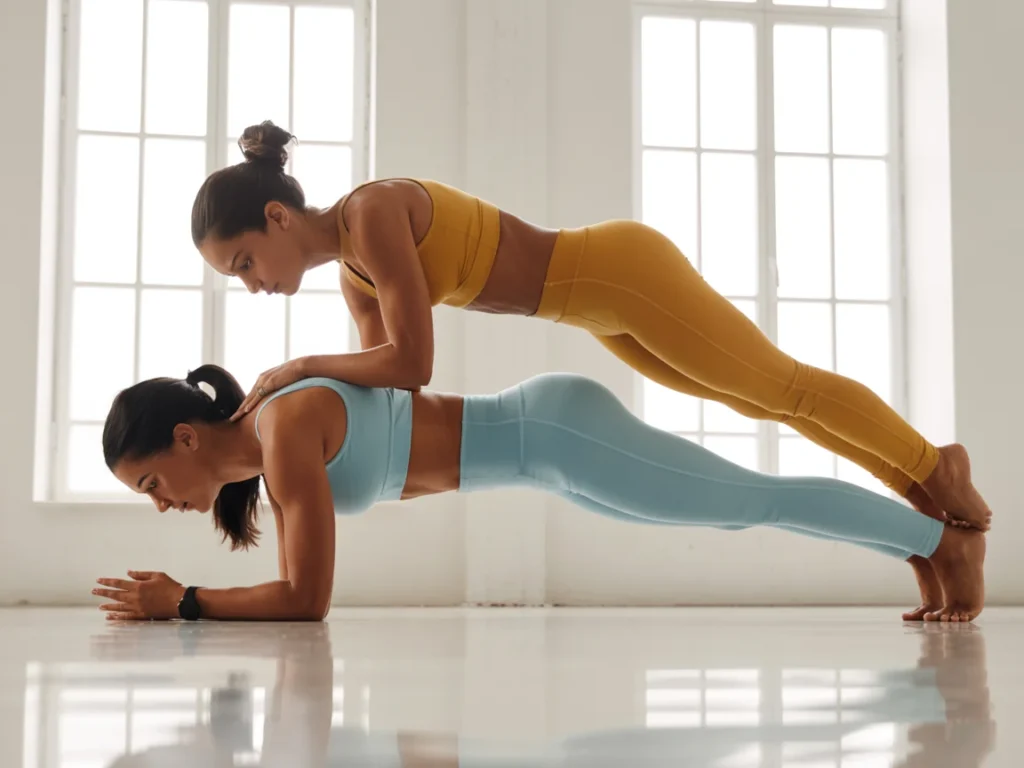
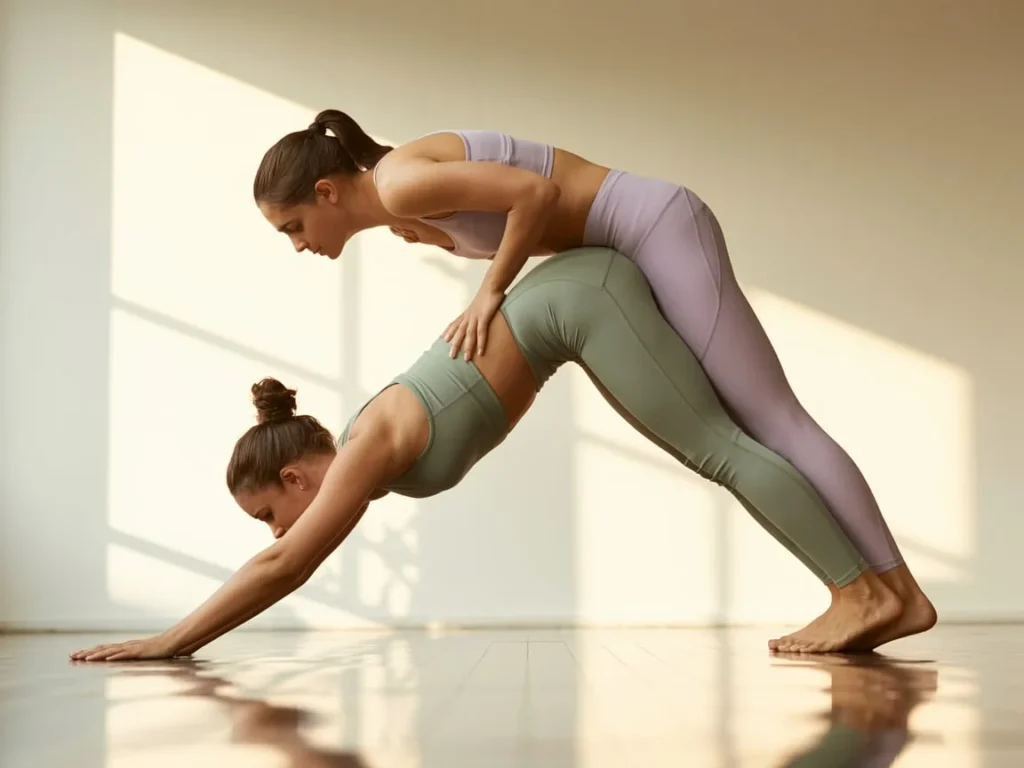
13. Partner Downward Dog Pyramid
How to Do It
One partner performs Downward Dog. The second partner places hands on their back and extends into a modified version.
Benefits
- Deep hamstring stretch
- Spine elongation
14. Double Cat-Cow
How to Do It
Kneel facing each other. Inhale arch (Cow), exhale round (Cat).
Benefits
- Spinal mobility
- Breath awareness
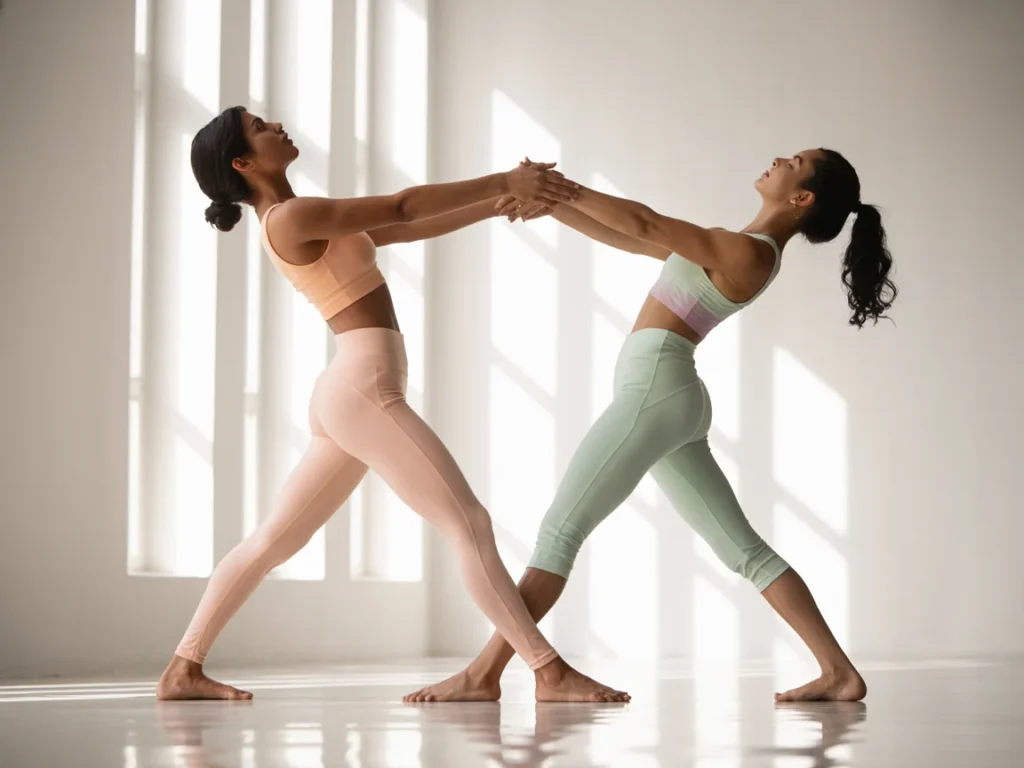
15. Supported Backbend for Two
How to Do It
Stand facing each other, hold forearms, step back slightly, and lean chest upward.
Benefits
- Opens chest
- Improves shoulder mobility
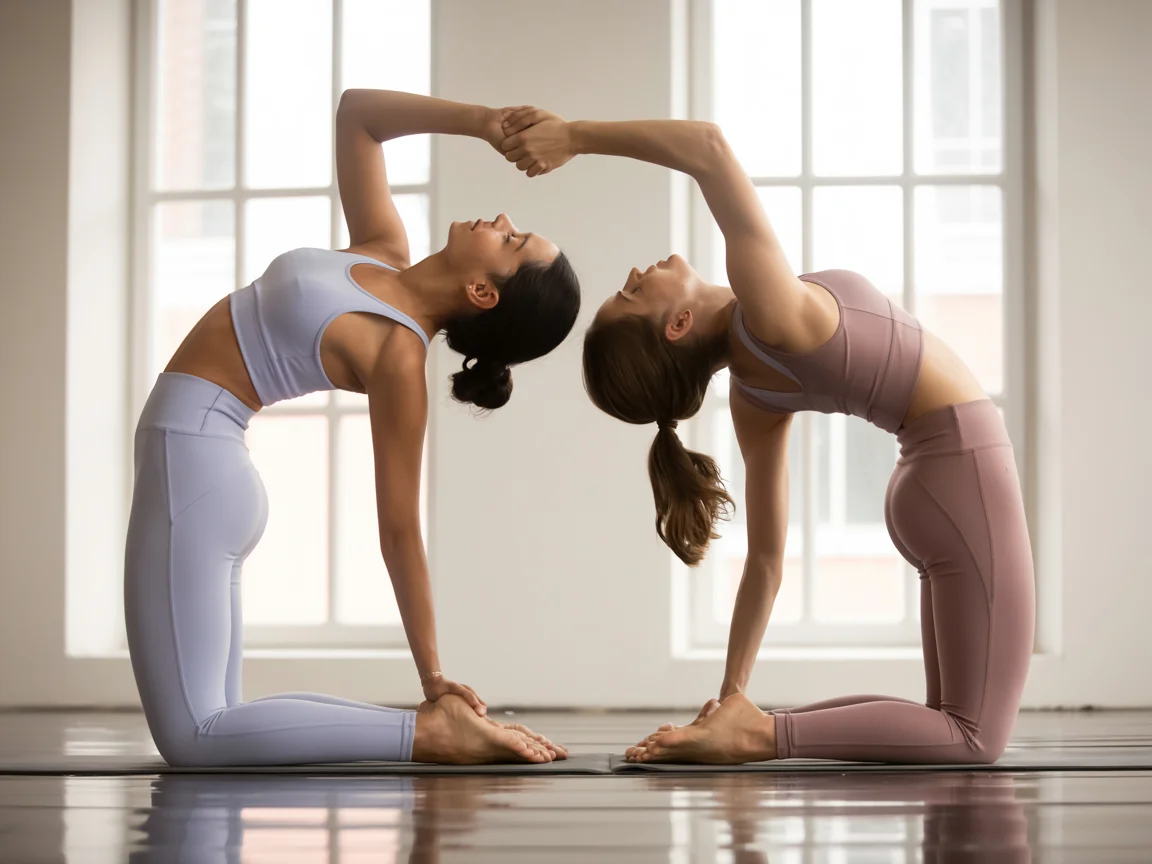
16. Two-Person Camel Pose
How to Do It
Kneel side-by-side. Lean back into Camel while holding hands lightly.
Benefits
- Deep quad stretch
- Chest expansion

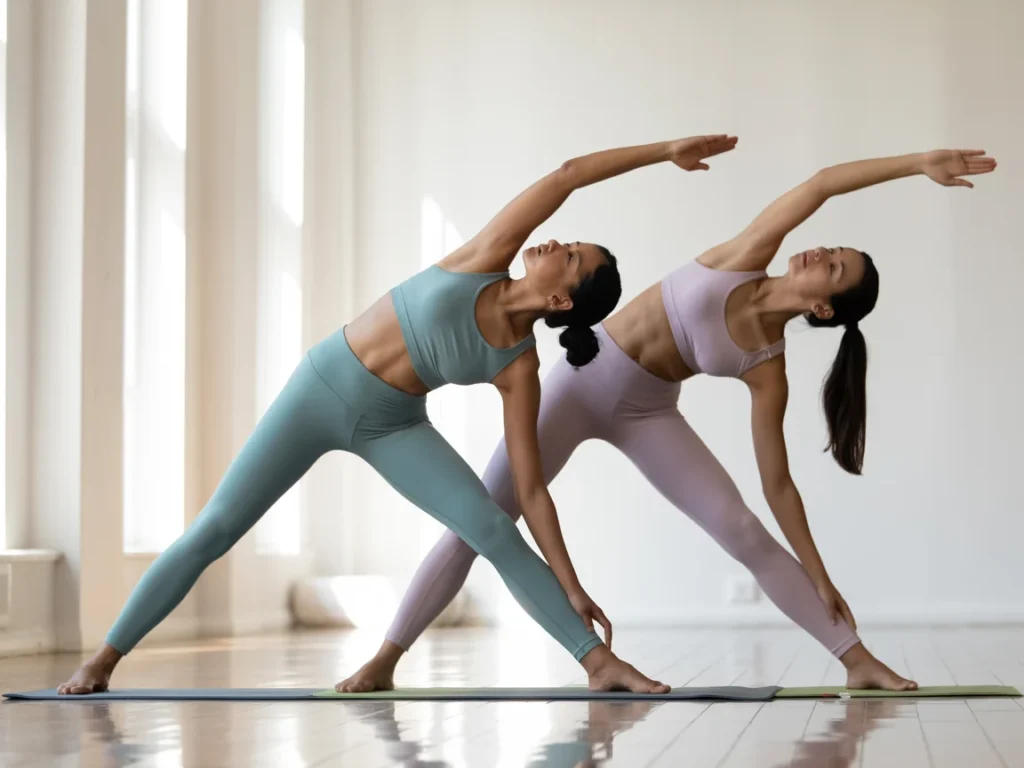
17. Partner Extended Side Angle
How to Do It
Stand wide-legged. One partner leans into Side Angle; the other mirrors.
Benefits
- Side body lengthening
- Hip opening
18. Lying Spinal Twist for Two
How to Do It
Lie side-by-side. Cross one leg over each other and twist in opposite directions.
Benefits
- Releases lower back
- Improves digestion

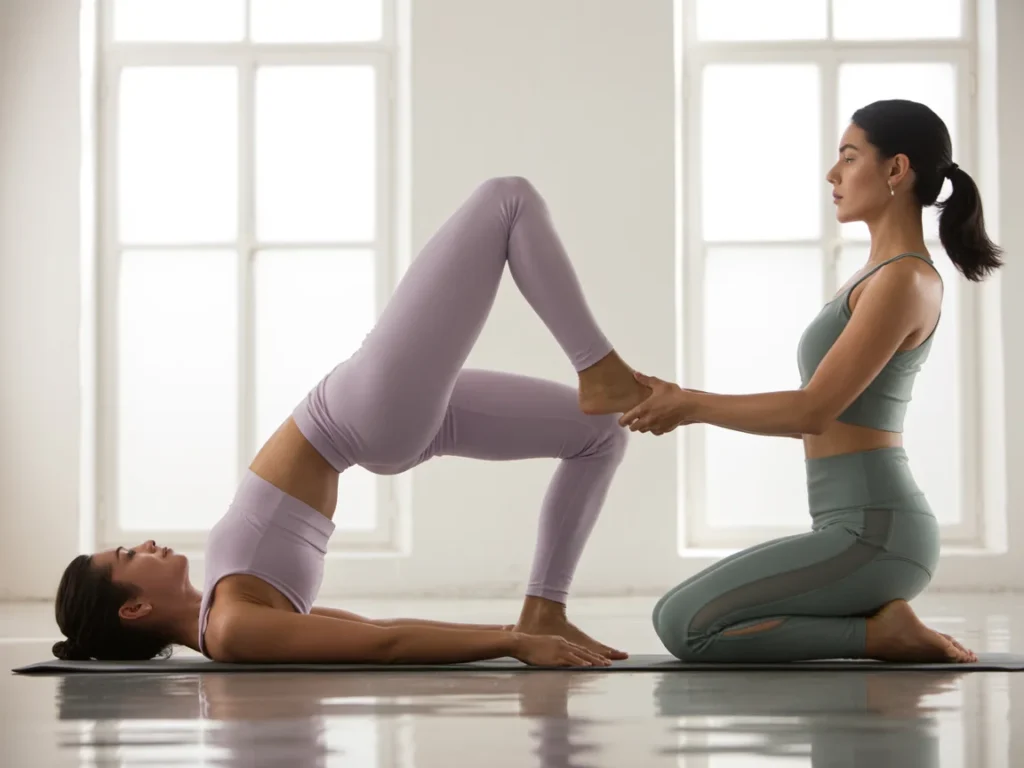
19. Two-Person Bridge Pose Support
How to Do It
One partner performs a bridge. The other holds their ankles and offers stabilization.
Benefits
- Strengthens back
- Supports safe alignment
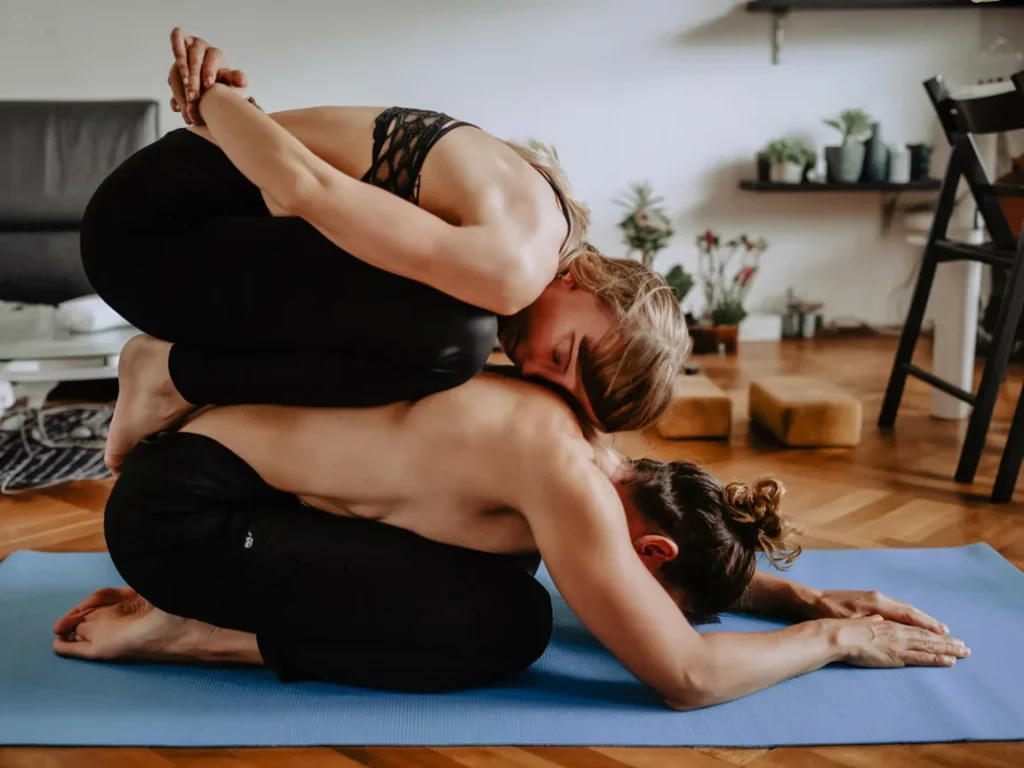
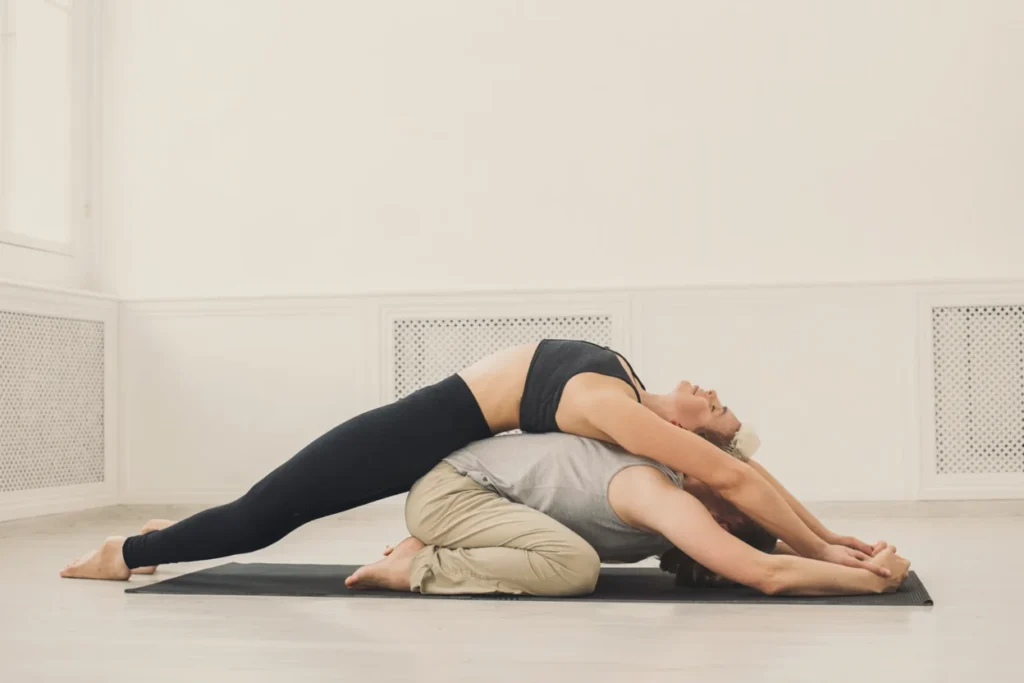
20. Partner Child’s Pose Support
How to Do It
One partner takes Child’s Pose. The other gently presses on the lower back.
Benefits
- Deep relaxation
- Stress relief
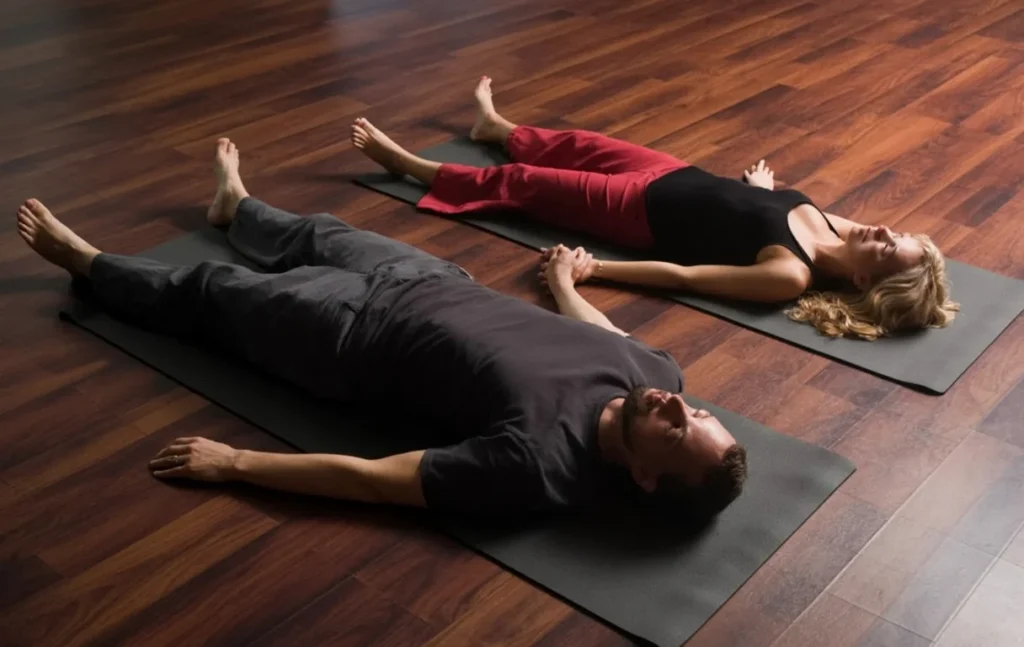
21. Final Resting Pose: Double Savasana
How to Do It
Lie side-by-side or back-to-back. Close eyes and breathe together for 2–5 minutes.
Benefits
- Emotional reset
- Nervous system calming
- Completes the practice with connection
Final Thoughts
Practicing yoga with another person creates deeper trust, communication, and emotional grounding. These 21 partner yoga poses empower strength, flexibility, presence, and shared mindfulness. Whether you are new to yoga or experienced, incorporating partner work into your routine can transform both your physical and emotional well-being.