Apple Juice Recipe Homemade (Fresh, No Added Sugar, With or Without a Juicer)
Homemade apple juice is one of those simple things that tastes surprisingly better than anything bottled. It’s crisp, naturally sweet, and you can control everything, the apple variety, how smooth or pulpy you want it, and whether you want it plain or boosted with lemon, ginger, or warm spices.
In this guide (in the same helpful, method-based style you shared), you’ll learn multiple ways to make apple juice at home: with a juicer, with a blender, and a no-machine option. I’ll also cover how to choose apples, how to remove wax, how to store it safely, and what to do with leftover apple pulp so nothing goes to waste.
What is homemade apple juice (and why it tastes different)
Fresh apple juice is made by breaking down apples and extracting their liquid. Many homemade versions are unfiltered and closer to what some people call “unfiltered apple cider style juice,” meaning it can be slightly cloudy and more flavorful because it still contains tiny apple particles and natural compounds.
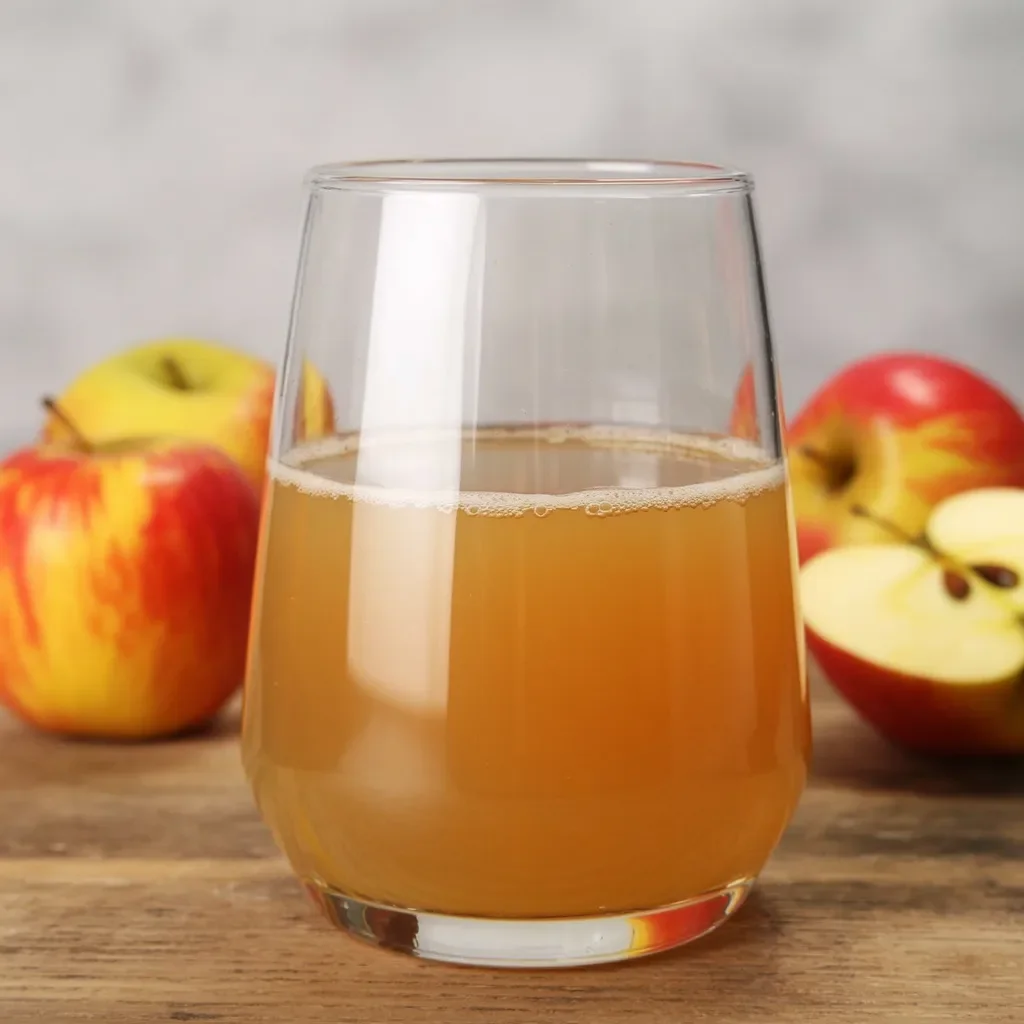
Choosing the best apples
You can make apple juice with almost any apple, but flavor depends heavily on your mix.
Sweet apples (great for naturally sweet juice)
- Fuji, Gala, Honeycrisp, Golden Delicious, Red Delicious, McIntosh
Tart apples (great for a sharper, fresher taste)
- Granny Smith, Pink Lady, Braeburn
Best tip: mix sweet + tart. A blend gives the most balanced juice, not too flat, not too sour.
How many apples do you need?
A simple rule: 5–6 medium apples usually yields around 2 cups of juice (it varies by juiciness and method).
Do you need to peel the apples?
No. Most methods keep the peel on for extra flavor and nutrients, as long as you wash the apples well. You should remove the core and seeds (and any bruised spots).
Important: how to remove wax from apples
Some apples have a wax coating (common on store-bought apples). A simple home approach is:
- Dip apples briefly in hot water with a splash of distilled vinegar (or apple cider vinegar), then rinse with cold water.
Or - Wipe apples with vinegar on a paper towel, then rinse.
This helps clean the surface before juicing.
Apple Juice Recipe Homemade (3 ways)
Ingredients (base)
- 5–6 apples (or more if you want a larger batch)
- Water (optional, mainly for blender method)
Optional add-ins - Lemon juice (for brightness and to reduce browning)
- Ginger (for a spicy zing)
- Cinnamon or cardamom (for warmth)
- Sweetener only if needed (honey, maple, agave), usually optional if apples are sweet
Method 1: Homemade apple juice with a juicer (fastest)
- Wash apples and remove wax if needed.
- Chop into pieces that fit your juicer chute. Remove the core and seeds.
- Feed the apple pieces through the juicer.
- Taste and adjust: add a small squeeze of lemon if you want it brighter.
- Chill and serve.
Tip: save the leftover pulp (ideas below).
Best for: maximum juice with the least effort.
Method 2: Homemade apple juice with a blender (no juicer needed)
This method is perfect if you only have a blender and a strainer cloth.
- Wash apples, remove the core and seeds, chop into chunks.
- Add apples to a blender with about 1/2 cup water (this helps it blend smoothly). You can also use orange juice instead of water for a citrus twist.
- Blend until the mixture looks like a thick apple slurry.
- Strain:
- Pour into a nut milk bag or muslin cloth over a bowl.
- Squeeze firmly to extract as much liquid as possible.
- Pour into a nut milk bag or muslin cloth over a bowl.
- Taste, then chill.
Texture control: If you like a little pulp, stir a spoonful of the pulp back in after straining.
Best for: people who want fresh juice without special equipment.
Method 3: No-machine apple juice (manual, simple kitchen tools)
If you don’t have a blender or juicer, you can still make a homemade version using heat + mash + strain. This will taste more like a gentle homemade apple drink and can be served warm or chilled.
- Chop apples (remove seeds and core).
- Add to a pot with enough water to just cover the apples.
- Simmer until the apples are very soft.
- Mash the apples well (potato masher works).
- Strain through a muslin cloth or fine sieve.
- Cool, then chill.
Optional: add cinnamon while simmering for a cozy version.
Best for: a comforting, mellow apple drink when you’re low on tools.
Flavor variations (easy upgrades)
These are the most popular add-in directions that still keep the juice tasting “apple-forward”:
Apple lemon juice
- Add 1–2 tbsp lemon juice per 2 cups of juice for brightness.
Apple ginger juice
- Add about a 1/2-inch piece of ginger (adjust to taste). Optionally add a tiny pinch of cayenne for heat.
Apple cinnamon juice
- Blend or steep a cinnamon stick (or a pinch of cinnamon) for warm depth.
Green boost (mild)
- Add a handful of spinach or kale (works especially well with green apples and stays fairly mild).
Sparkling apple juice
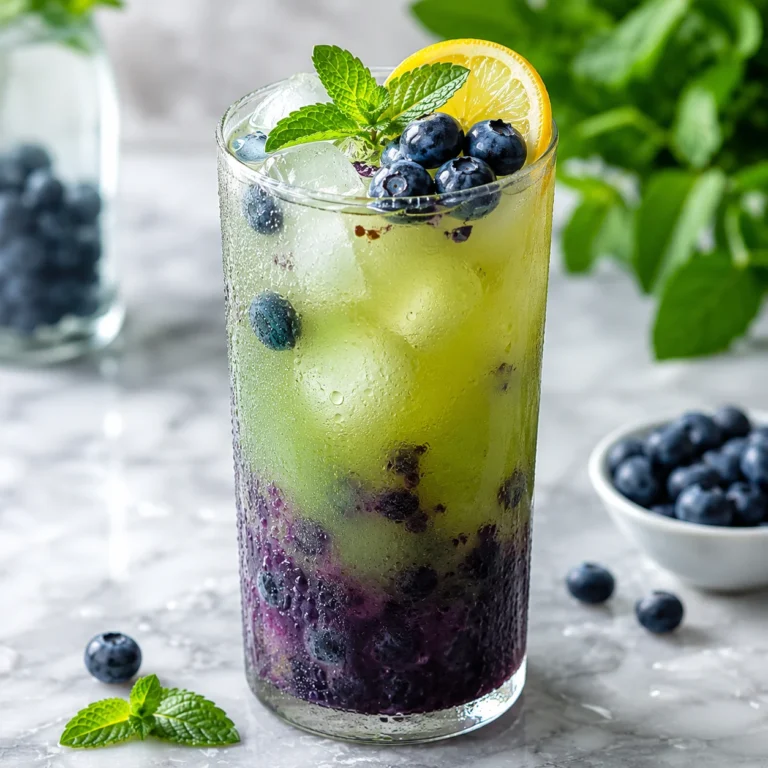
- Dilute with sparkling water for a fizzy, refreshing drink.
How to prevent browning
Apple juice can darken as it sits because apples oxidize. A little lemon juice helps slow that down and keeps the flavor brighter.
Also: store it in an airtight jar filled close to the top to reduce air contact.
How to store homemade apple juice safely
Fridge
- Store in a sealed glass jar or bottle.
- The best flavor is within 24–48 hours, though it can last a few days refrigerated depending on cleanliness and storage.
Freezer
- Freeze in freezer-safe jars or silicone trays.
- Leave space for expansion.
- Thaw in the fridge overnight.
Note: Homemade juice isn’t pasteurized like many store products, so freshness matters more.
What to do with leftover apple pulp (don’t waste it)
If you use a juicer or blender + strain method, you’ll have pulp. Here are practical uses:
- Stir into oatmeal or overnight oats
- Add into muffins or quick breads
- Mix into pancake batter
- Cook into applesauce texture (especially if you blend it smoother)
- Add to smoothies for fiber
- Simmer with water + cinnamon to make a light apple “tea”
Troubleshooting
My juice tastes too tart
Use sweeter apples next time (Fuji, Gala, Honeycrisp) or add a small amount of honey/maple.
My juice tastes flat
Add a squeeze of lemon or blend sweet + tart apples.
My juice is too thick
Dilute with cold water or coconut water.
My blender juice separated
That’s normal. Shake or stir before serving.
FAQs
Is this the same as apple cider?
Homemade unfiltered apple juice is often very similar to unfiltered cider-style juice because it’s cloudy and less processed. Commercial “apple juice” is often clarified and pasteurized.
Can I use frozen apples?
Fresh is best, but thawed frozen apple slices can work in a blender method. Expect a softer flavor.
Do I have to strain it?
No. If you like a smoothie-like juice, you can keep it unstrained. If you want a cleaner juice, strain through cloth.
Final thoughts
If you’re searching for the best apple juice recipe homemade, the biggest difference comes down to two things: good apples and the method that fits your kitchen. A juicer gives you the fastest clean juice, a blender gives you the most flexible option, and a no-machine simmer method gives you a cozy, budget-friendly version that still tastes fresh and real.