Puerto Rican Rice and Beans Recipe: A Flavorful Journey into Puerto Rican Cuisine
Puerto Rican cuisine is rich, diverse, and full of flavor, and one of its most beloved dishes is Arroz con Habichuelas, or Puerto Rican rice and beans. This dish is a classic comfort food that’s easy to prepare, yet bursting with savory, aromatic flavors that make it a true staple in Puerto Rican households. Whether you’re looking to recreate a taste of Puerto Rico in your own kitchen or simply want to enjoy a hearty, comforting meal, this recipe for Puerto Rican rice and beans will bring you that authentic, home-cooked taste.
Known for its combination of tender beans, fluffy rice, and aromatic seasonings, Puerto Rican rice and beans is a dish that carries centuries of culinary tradition. The rice is simmered in a deliciously seasoned broth, while the beans are slow-cooked with a mixture of vegetables and spices. Together, they create a satisfying, balanced meal that can be served as the main course or as a side dish to complement meats and seafood.
In this article, we will walk you through every step of preparing this delicious dish, including the ingredients you’ll need, step-by-step cooking instructions, and tips to ensure your Puerto Rican rice and beans turn out perfectly every time. This recipe is full of flavor, and we will share ways to customize it to suit your taste. Let’s dive into this vibrant and tasty Puerto Rican classic.
Ingredients You’ll Need for Puerto Rican Rice and Beans
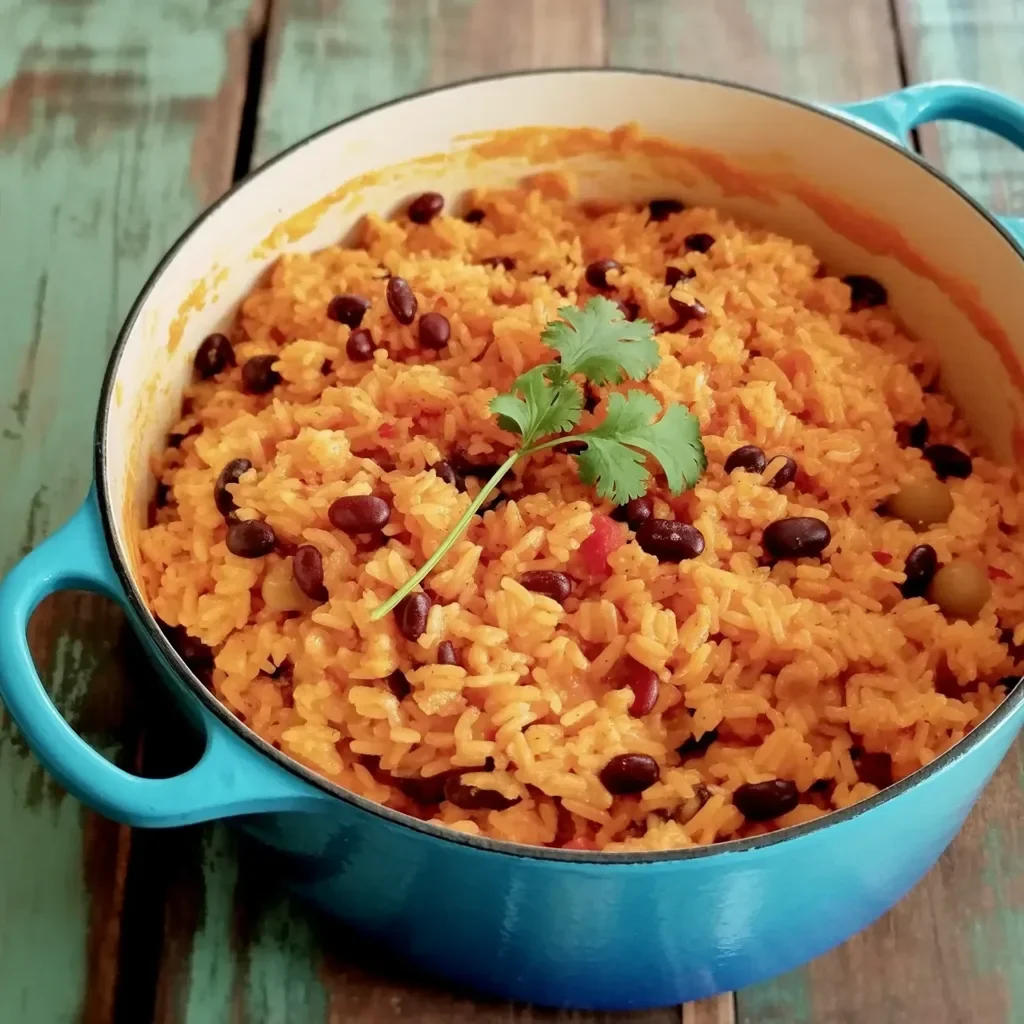
Puerto Rican rice and beans may have simple ingredients, but the magic lies in the seasonings and how they come together to create a symphony of flavors. The key ingredients you will need are as follows:
For the Rice:
- 2 cups long-grain white rice – Long-grain rice is ideal for this dish because it’s fluffy and doesn’t clump together when cooked. It provides a nice, light base for the flavorful beans and sauce.
- 4 cups of water – This is the main liquid for cooking the rice. You can also use vegetable broth for a more robust flavor.
- 1 tablespoon olive oil – This adds a slight richness to the rice and helps prevent it from sticking together.
- 1 teaspoon salt – Seasoning the rice with salt enhances the flavor and ensures it’s properly seasoned.
- 1 bay leaf – Bay leaves are a key aromatic ingredient in Puerto Rican cooking. They infuse the rice with a subtle earthy flavor as it cooks.
- 1 teaspoon ground turmeric (optional) – This optional ingredient gives the rice a golden color and adds a mild, earthy flavor typical in many Puerto Rican rice dishes.
For the Beans:
- 2 cans (15 oz each) red kidney beans – Red kidney beans are the most traditional choice for Puerto Rican rice and beans. They are rich, hearty, and pair perfectly with the aromatic spices. Make sure to drain and rinse the beans to reduce the sodium content.
- 2 tablespoons olive oil – Used to sauté the vegetables and create a flavorful base for the beans.
- 1 small onion, finely chopped – Onions are the base of most Puerto Rican dishes and provide a sweet, savory depth to the beans.
- 1 bell pepper, finely chopped – Bell peppers add color, crunch, and a mild sweetness to the dish.
- 4 garlic cloves, minced – Garlic is another fundamental ingredient in Puerto Rican cooking, providing a bold flavor to the beans.
- 1 teaspoon ground cumin – Cumin adds a warm, earthy flavor to the beans, and is a common spice used in Puerto Rican cuisine.
- 1 teaspoon dried oregano – Oregano is a fragrant herb that complements the cumin and gives the beans a Mediterranean touch.
- 1 tablespoon tomato paste – Tomato paste adds a rich, tangy base to the beans and deepens the overall flavor of the dish.
- 1/2 teaspoon salt – To season the beans and enhance their flavor.
- 1/2 teaspoon black pepper – Adds a mild heat to balance the richness of the tomato paste.
- 1/2 teaspoon sugar – A small pinch of sugar helps balance the acidity of the tomatoes and enhances the flavors of the beans.
- 1/2 cup tomato sauce – Tomato sauce provides a smooth base for the beans, giving them a tangy and slightly sweet flavor.
- 1/2 cup water or vegetable broth – This liquid helps cook the beans and form the saucy consistency.
- 1/4 cup chopped fresh cilantro – For garnish and a refreshing pop of flavor at the end.
Step-by-Step Instructions for Cooking Puerto Rican Rice and Beans
Step 1: Prepare the Rice
In a medium-sized saucepan, combine the 4 cups of water, salt, bay leaf, olive oil, and turmeric (if using). Bring the water to a boil over medium-high heat. Once it starts boiling, add the 2 cups of long-grain rice. Stir the rice gently to ensure it’s evenly distributed, then bring the water back to a boil. Once boiling, reduce the heat to low, cover the pan with a lid, and let it simmer for 15-20 minutes. During this time, the rice will absorb the liquid and become tender.
After the rice has absorbed all the water, remove the saucepan from the heat and let it sit, still covered, for about 5-10 minutes. This helps the rice finish cooking and become fluffy. After resting, remove the bay leaf and gently fluff the rice with a fork to separate the grains. The rice should be light, fluffy, and perfectly cooked.
Step 2: Prepare the Beans
While the rice is cooking, start working on the beans. In a large skillet or saucepan, heat the olive oil over medium heat. Once hot, add the chopped onion and bell pepper, and sauté for 5-7 minutes, or until the vegetables become soft and the onions turn translucent. Stir occasionally to ensure they don’t burn.
Add the minced garlic and sauté for an additional 1-2 minutes until fragrant. Garlic should be cooked until golden but not burnt, as burnt garlic can taste bitter.
Once the vegetables are softened, add the ground cumin, oregano, salt, black pepper, and sugar to the pan. Stir to coat the vegetables with the spices and let them cook for another 1-2 minutes, allowing the spices to release their aromas.
Next, add the tomato paste to the skillet, and stir for 2-3 minutes, allowing the tomato paste to caramelize slightly. This will intensify its flavor and add richness to the bean mixture.
Add the tomato sauce, water or vegetable broth, and the drained kidney beans to the pan. Stir everything together to combine. Bring the mixture to a simmer, then reduce the heat to low. Let the beans simmer for 20-25 minutes, stirring occasionally. The beans should become tender and the sauce should thicken to a rich, flavorful consistency.
If the sauce becomes too thick, you can add a little more water or broth to achieve your desired consistency. Taste and adjust the seasoning as necessary—if it’s too tangy, add a bit more sugar, and if it needs more flavor, add a pinch of salt or more spices.
Step 3: Combine the Rice and Beans
Once the rice and beans are both ready, it’s time to serve! Scoop a generous portion of the rice onto each plate, and then spoon the savory beans over the rice. The beans should have a nice saucy consistency, providing a delicious contrast to the fluffy rice. Garnish with freshly chopped cilantro for a burst of color and added freshness.
Why Puerto Rican Rice and Beans is So Special
Puerto Rican rice and beans is more than just a dish—it’s a comforting, flavorful experience that brings people together. Here are a few reasons why this dish holds such a special place in Puerto Rican culture and in the hearts of many who enjoy it:
Hearty and Filling
The combination of rice and beans creates a hearty, satisfying meal. The rice provides a soft, fluffy texture, while the beans offer protein and richness. It’s a complete meal on its own, though you can easily pair it with meats like chicken, pork, or fish for a well-rounded meal.
Perfect for Meal Prep
Puerto Rican rice and beans are fantastic for meal prepping. The dish keeps well in the fridge for a few days, and the flavors actually improve as it sits. It’s the kind of dish that tastes just as good the next day, making it ideal for lunches or easy weeknight dinners.
Customizable to Your Taste
This dish is also versatile. You can switch up the beans—using black beans, pinto beans, or even chickpeas if you prefer. You can also adjust the seasonings, making it as spicy or as mild as you like. For a richer flavor, you can even add a smoked ham hock or chorizo to the beans while they cook.
Rich in Tradition
Puerto Rican rice and beans is a dish deeply rooted in Puerto Rican culture. It’s a comfort food that’s passed down through generations, often prepared for family gatherings, holidays, and celebrations. It represents the warmth, love, and hospitality that Puerto Rican cuisine is known for.
Tips for the Best Puerto Rican Rice and Beans
- Soak the Beans (Optional): While canned beans are convenient, soaking dried beans overnight can elevate the flavor and texture of the dish. Soaking beans makes them cook more evenly and helps reduce the cooking time.
- Use Fresh Seasonings: Freshly chopped onions, garlic, and peppers create the best flavors. Don’t substitute dried garlic powder or onion powder, as fresh ingredients will give the dish the depth of flavor it needs.
- Don’t Rush the Cooking Process: Let the beans simmer slowly and don’t rush the process. This slow cooking allows the flavors to develop and come together beautifully.
Storage and Reheating
This dish is perfect for leftovers! To store:
- Room Temperature: If you plan to eat the dish within the next day or two, store it in an airtight container at room temperature. The rice and beans can stay fresh for 1-2 days.
- Refrigeration: For longer storage, keep it in the refrigerator for up to 5 days. Reheat in the microwave or on the stovetop, adding a splash of water or broth if necessary to bring back its original texture.
- Freezing: Puerto Rican rice and beans freeze wonderfully. Just portion the dish into freezer-safe containers, and it will last up to 3 months in the freezer. When ready to eat, reheat thoroughly.
Final Thoughts
Puerto Rican rice and beans (Arroz con Habichuelas) is a dish that brings warmth and comfort to the table. It’s flavorful, filling, and perfect for sharing with family and friends. Whether you’re preparing it for a special occasion or enjoying it on a busy weeknight, this recipe will quickly become a go-to in your kitchen.
So, gather your ingredients, follow the steps, and enjoy a taste of Puerto Rico today. This dish is more than just food; it’s a celebration of culture, tradition, and family.