Easy Ramen Egg Recipe
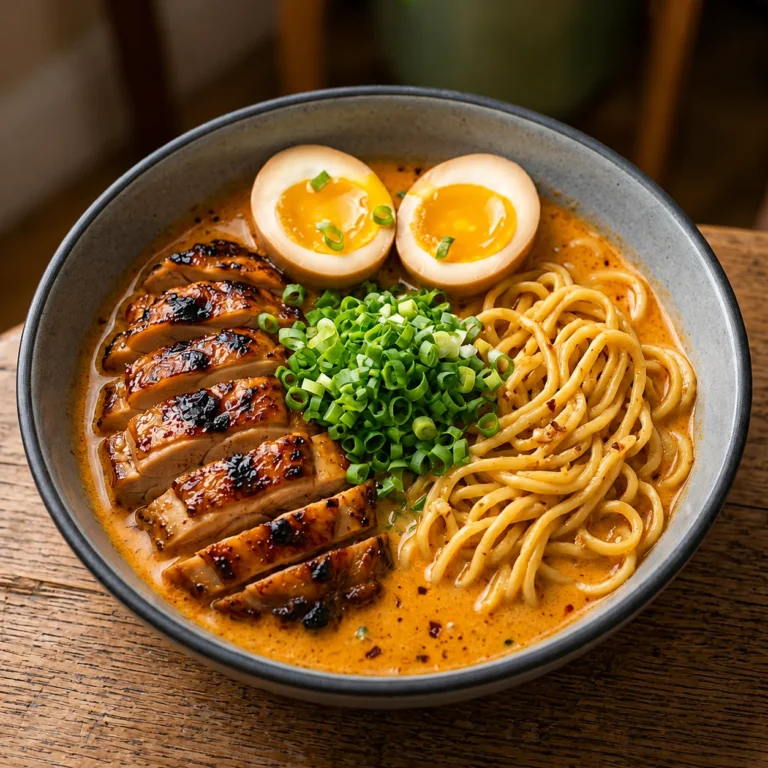
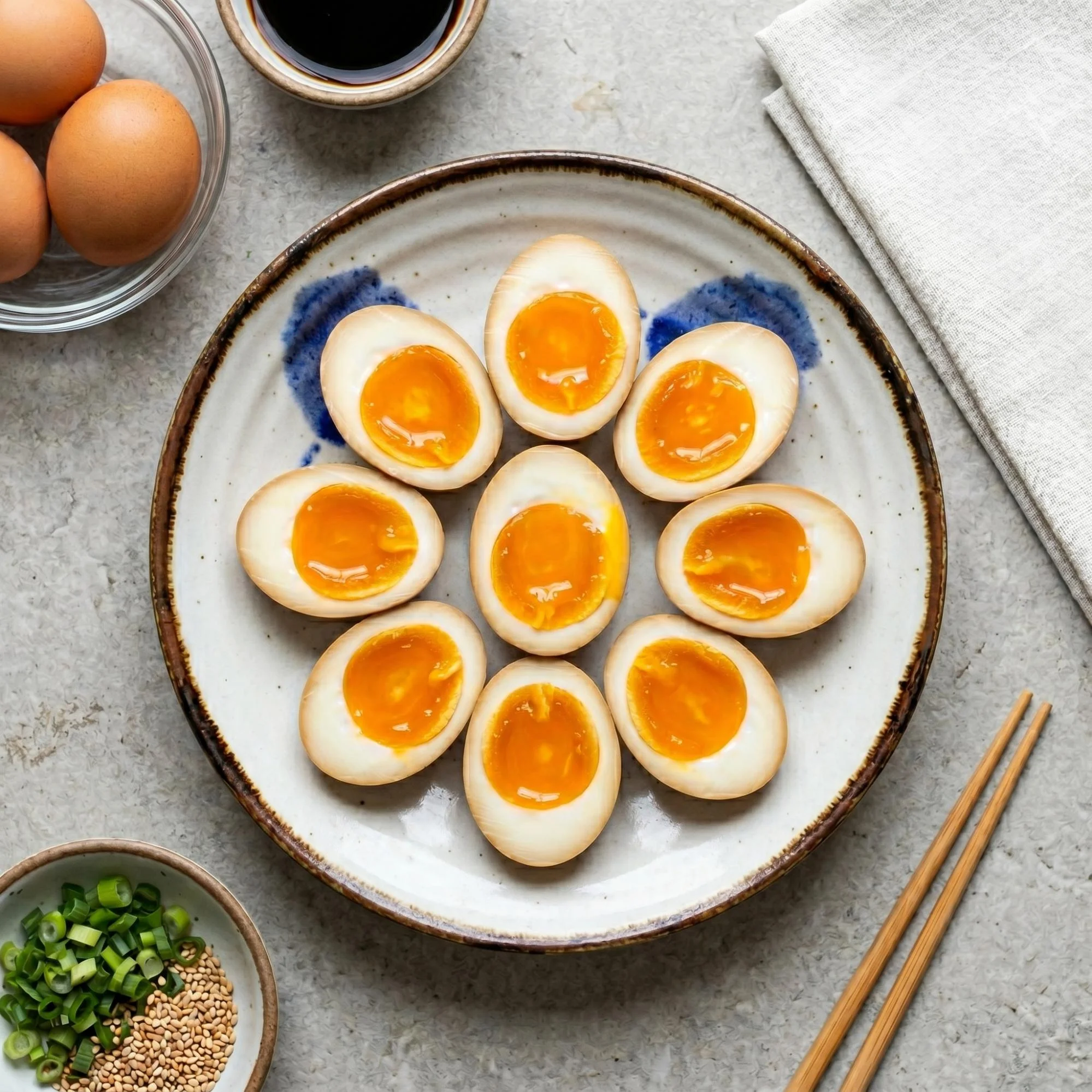
A flavorful ramen egg recipe can instantly make a simple bowl of noodles feel rich, comforting, and restaurant-worthy. These Japanese-style eggs have tender whites, creamy jammy yolks, and a delicious savory taste from the soy-based marinade. They are perfect for topping ramen, rice bowls, salads, or even enjoying as a quick protein-packed snack.
Although they look impressive, ramen eggs are surprisingly easy to prepare with just a few simple ingredients and the right cooking time. In this guide, you’ll learn how to make perfectly cooked, deeply flavored ramen eggs at home every time.
Why Make Ramen Eggs at Home?
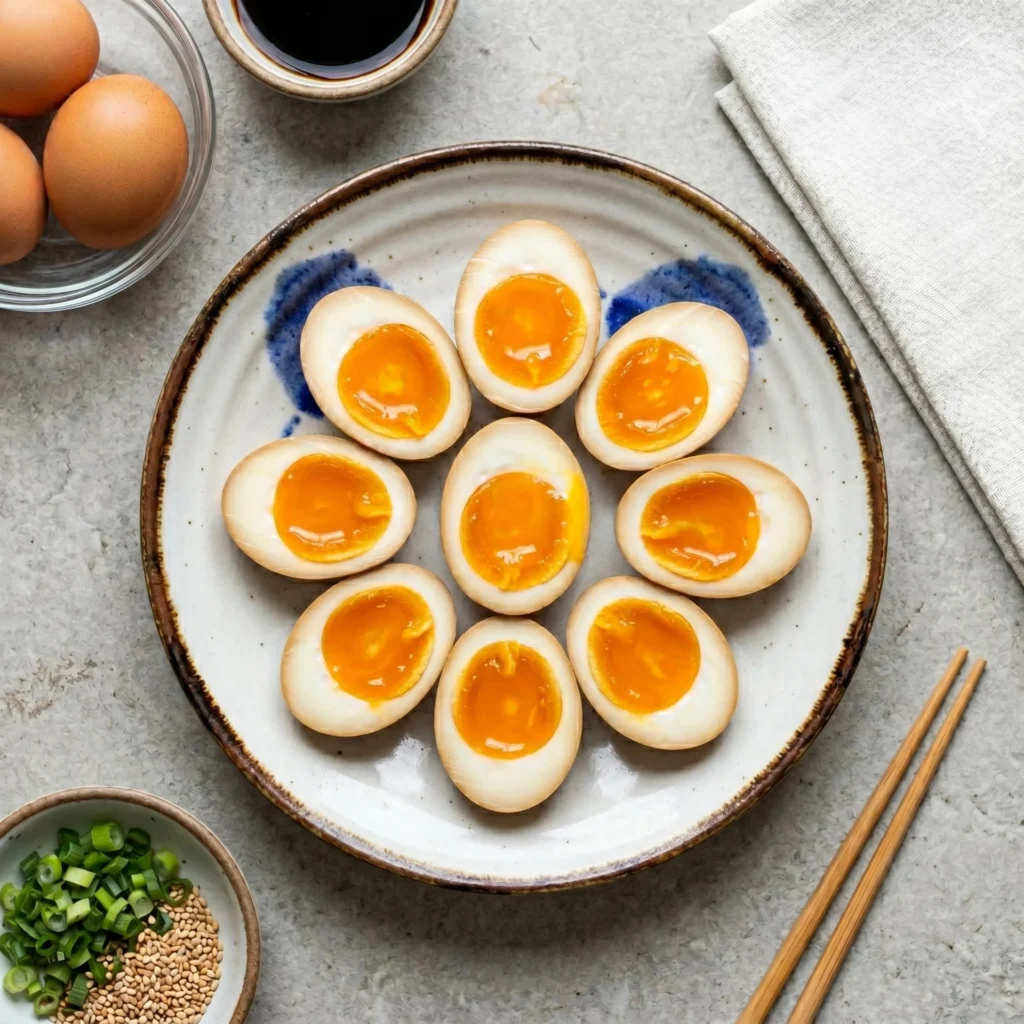
If you have only ever enjoyed these savory treats at an authentic ramen shop, you are in for a game-changing surprise. Mastering Ajitsuke Tamago in your own kitchen ensures your dish is:
- Packed with umami flavor that penetrates deep into the egg white
- Perfectly cooked to your exact preferred level of jamminess
- Budget-friendly, costing a fraction of what restaurants charge for extra toppings
- Highly photogenic for stunning culinary presentations
- Made with simple, recognizable ingredients
And honestly, the textural and flavor difference is undeniable. The sweet and savory marinade cures the egg slightly, firming up the yolk into a rich, sauce-like consistency that a plain boiled egg simply cannot match.
Ingredients for Easy Ramen Eggs
One of the reasons this recipe works so well is its foolproof simplicity. To achieve that signature sweet-and-salty flavor profile, you will need:
For the Perfect Soft-Boiled Eggs:
- 6 large eggs (straight from the refrigerator)
- Water (enough to cover the eggs by an inch)
- 2 tablespoons of white vinegar (helps make peeling easier)
For the Umami Marinade:
- 1/2 cup water (or mild dashi stock for extra depth)
- 1/2 cup soy sauce
- 1/4 cup mirin (Japanese sweet cooking wine)
- 1 tablespoon sugar
That’s it. No complicated culinary techniques, just a perfect balance of salty, sweet, and savory.
Step by Step Easy Ramen Egg Recipe
Follow these simple steps for tender whites, runny yolks, and deep flavor every time.
Step 1: Whisk the Marinade In a medium bowl or a large liquid measuring cup, combine the water (or dashi), soy sauce, mirin, and sugar. Whisk vigorously until the sugar is completely dissolved. Set the liquid aside so it is ready the moment your eggs are cooked.
Step 2: Boil the Water Fill a medium saucepan with enough water to completely submerge your eggs. Add the white vinegar. Place the pot over high heat and bring the water to a rapid, rolling boil.
Step 3: The Precise Boil Once the water is boiling, use a slotted spoon to gently lower the cold eggs into the pot one by one. Lowering them gently prevents the shells from cracking against the bottom. The moment the last egg hits the water, set your timer for exactly 6 minutes and 30 seconds for a runny yolk, or 7 minutes for a firmer, jammy yolk.
Step 4: Plunge into the Ice Bath While the eggs boil, prepare a large bowl with cold water and ice cubes. When the timer goes off, immediately transfer the eggs from the boiling water directly into the ice bath. Let them chill for at least 5 minutes to halt the cooking process entirely.
Step 5: Peel Carefully Gently tap each egg on the counter to crack the shell all over. Peel the eggs carefully, starting from the wider bottom end where the air pocket sits. Doing this while the eggs are submerged in the ice water can help the shells slip off flawlessly.
Step 6: Marinate and Wait Place your peeled, soft-boiled eggs into a glass jar or an airtight container. Pour the prepared soy marinade over them. To keep the eggs submerged and ensure an even color all the way around, fold a paper towel and place it directly on top of the liquid so it pushes the eggs down. Seal the container and refrigerate for at least 4 hours, though overnight (12 to 24 hours) yields the best flavor.
Pro Tips for Flawless Ajitsuke Tamago
Small details make a massive difference when working with precise timings and aesthetics.
- Use straight-from-the-fridge eggs: This recipe’s timing is based on cold eggs. If you use room-temperature eggs, they will overcook and lose that beautiful jammy center.
- Older eggs peel easier: Farm-fresh eggs are notoriously difficult to peel. Eggs that have been in your fridge for a week or two will shed their shells much more smoothly, leaving you with a pristine white canvas for the marinade.
- Don’t over-marinate: After 24 hours, the eggs will become too salty and the whites will turn rubbery. Once they reach your desired flavor, remove them from the liquid and store them in a dry container.
- Styling for content creation: When shooting these gorgeous, high-contrast eggs for a food blog or social media marketing, slice them cleanly down the middle with a piece of fishing line or a very sharp, thin knife to keep the yolk pristine. If you are creating promotional graphics with the final images, remember to keep the texts inside the safe crop margins (away from corners) so your audience doesn’t miss a single detail of the dish!
How to Store Homemade Ramen Eggs
These marinated eggs are fantastic to have on hand for meal prep. Once removed from their liquid marinade, the eggs can be stored in an airtight container in the refrigerator for up to 4 days.
Enjoy them cold straight from the fridge, or let them sit at room temperature for 15 minutes before serving. Do not microwave them to warm them up, as the yolks will cook through and you run the risk of the eggs bursting. If adding them to hot soup, simply slice them in half and let the broth warm them gently.
Ways to Use Ramen Eggs
Now comes the fun part. These umami bombs are incredibly versatile. Use them for:
- The ultimate topping for a steaming bowl of ramen, udon, or soba noodles
- A protein-packed addition to a warm rice bowl (Donburi)
- Smashed over thick-cut toast with a sprinkle of sesame seeds and scallions
- Elevating a fresh green salad
- A standalone, savory midnight snack
Once you start making your own Ajitsuke Tamago, you will find yourself making fresh batches weekly just to keep them in stock.
Frequently Asked Questions
Can I make these without mirin? If you don’t have mirin, you can substitute it with an equal amount of sake and an extra half tablespoon of sugar. If you need an alcohol-free option, use water or apple juice mixed with a little extra sugar, though the authentic flavor profile will shift slightly.
Why did my eggs crack when I put them in the boiling water? This usually happens because the temperature shock is too great. Always use a slotted spoon to lower them very gently. You can also use a pushpin to poke a microscopic hole in the wide end of the shell before boiling to release trapped air pressure.
Can I reuse the marinade? Yes, but only once! You can reuse the liquid for a second batch of eggs within a few days, or boil it down to use as a savory glaze for chicken or pork.
Final Thoughts
This easy ramen egg recipe proves that achieving restaurant-quality Japanese garnishes doesn’t have to be complicated. With just a simple marinade, an ice bath, and a precise timer, you can create a culinary staple that completely transforms your bowls of noodles and rice. Once you slice into that beautifully stained egg and see the rich, glowing yolk spill out, you will understand why this technique is so highly revered. Grab a carton of eggs, whisk together that soy marinade, and enjoy the simple, visually stunning joy of making authentic Ajitsuke Tamago from scratch!