
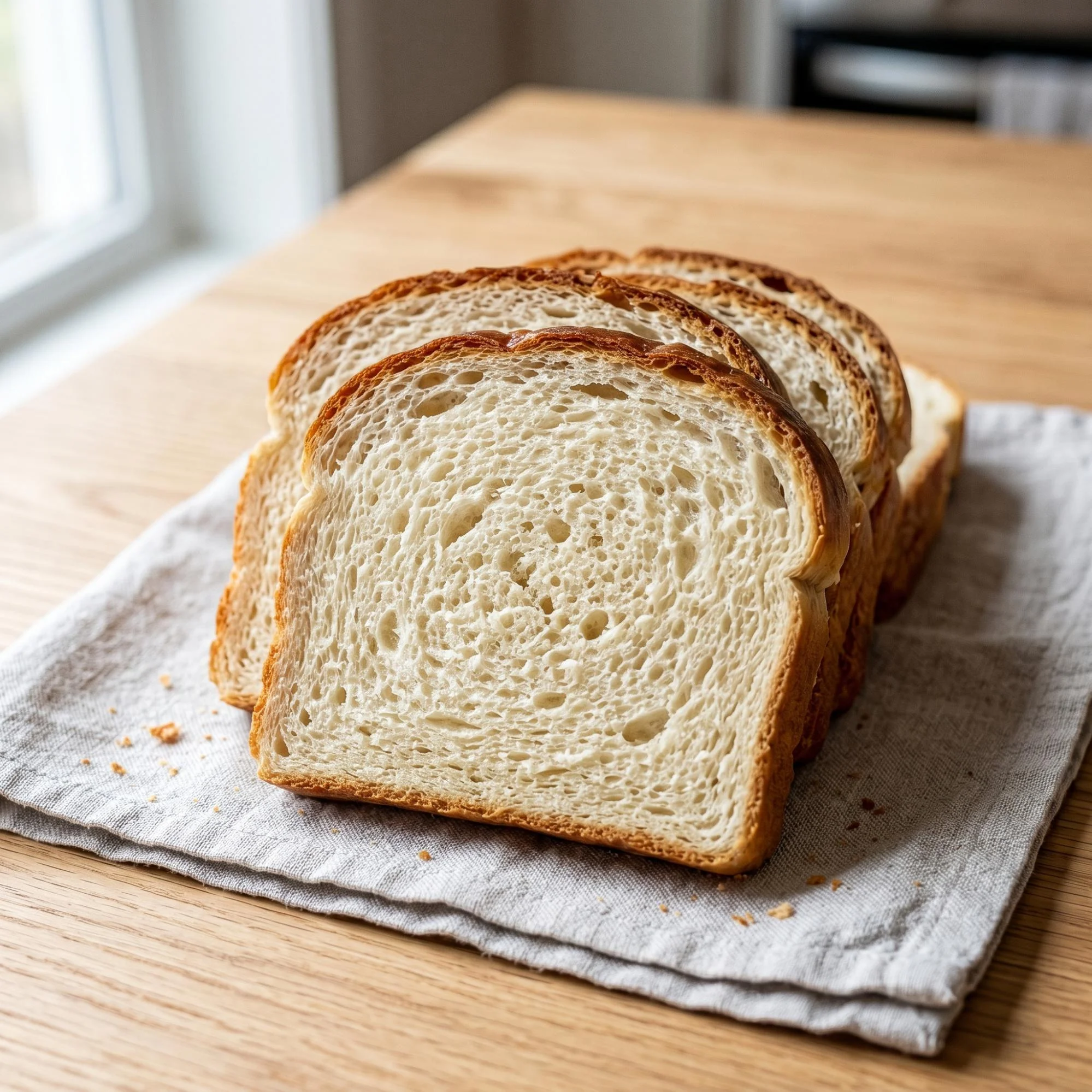
Easy Homemade Potato Bread Recipe: Soft, Fluffy, and Better Than Store-Bought
Bake a soft and flavorful loaf with this easy Homemade Potato Bread Recipe. Made with mashed potatoes and simple pantry ingredients, this bread has a tender texture, light golden crust, and slightly rich flavor that makes every slice delicious. The potatoes help keep the bread moist and fresh for longer, making it perfect for sandwiches, breakfast toast, dinner sides, or enjoying warm with butter and jam.
Although homemade bread may seem difficult, this beginner-friendly recipe uses straightforward steps and reliable techniques. Once baked, the comforting aroma and fluffy texture will make this potato bread a family favorite.
Why Make Potato Bread at Home?
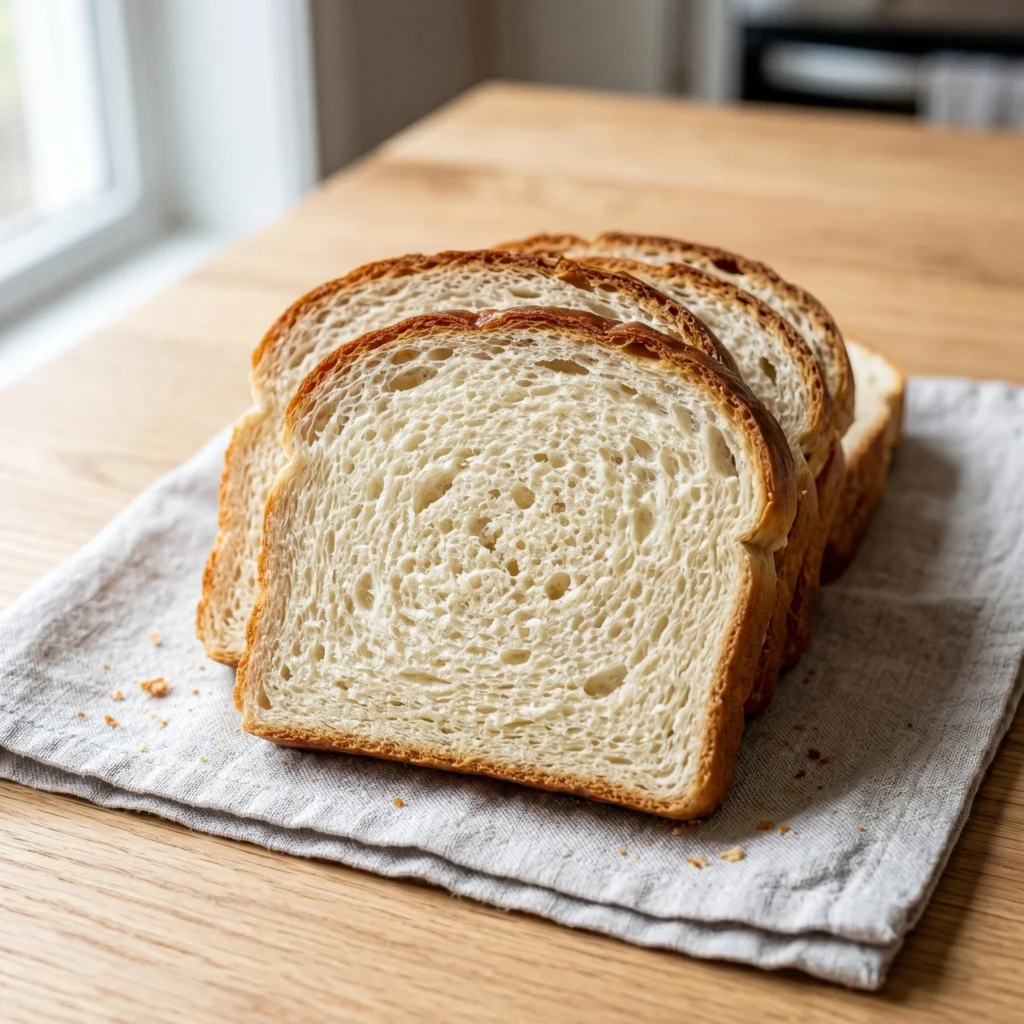
If you’ve only ever bought potato bread from the grocery store, you’re in for a fantastic surprise. Adding mashed potatoes or potato water to dough is an old-fashioned baker’s secret. Homemade potato bread is:
- Incredibly Soft: The starches in the potato trap moisture, creating a cloud-like texture.
- Longer Lasting: That same potato starch naturally extends the shelf life without artificial preservatives.
- Visually Stunning: Bakes up with an artisanal, golden crust that looks phenomenal on camera.
- Budget-Friendly: Made with simple, inexpensive ingredients.
- Fresh and Wholesome: Completely free from the chemical dough conditioners found in packaged bakery items.
And honestly, the flavor difference is undeniable. A fresh slice of homemade potato bread has a subtle, earthy sweetness and a tender chew that commercial bakeries simply cannot replicate.
Ingredients for Easy Potato Bread
One of the reasons this recipe works so flawlessly is its brilliant simplicity. You likely already have everything in your kitchen right now. You’ll need:
- 1 medium Russet potato (peeled and cubed)
- 1 packet (2 1/4 teaspoons) active dry yeast
- 2 tablespoons granulated sugar
- 1/4 cup unsalted butter (softened)
- 1 1/2 teaspoons fine sea salt
- 1 large egg (at room temperature)
- 4 to 4 1/2 cups all-purpose flour (or bread flour for a slightly chewier texture)
That’s it. No complicated artificial ingredients or commercial stabilizers are required.
Step by Step Easy Potato Bread Recipe
Follow these simple steps for a soft, perfectly domed loaf every single time.
Step 1: Prep the Potatoes Boil the peeled, cubed potato in a small pot of water until fork-tender (about 10 to 15 minutes). Drain the potato, but save 1 cup of the starchy potato water. Mash the potato thoroughly until it is completely smooth. You will need exactly 1/2 cup of mashed potatoes for the dough.
Step 2: Activate the Yeast Let your reserved potato water cool until it is comfortably warm to the touch (around 110°F). In the bowl of a stand mixer, combine the warm potato water, active dry yeast, and a pinch of the sugar. Let it sit for 5 to 10 minutes until the mixture turns frothy and bubbly.
Step 3: Mix the Dough To the frothy yeast, add the remaining sugar, softened butter, salt, room-temperature egg, and your 1/2 cup of smooth mashed potatoes. Mix gently to combine. Gradually add 3 cups of the flour, mixing on low speed until a shaggy dough begins to form.
Step 4: Knead the Dough Switch to a dough hook (or turn the dough out onto a floured surface to knead by hand). Gradually add the remaining flour, a quarter cup at a time, kneading continuously. Knead for about 5 to 8 minutes until the dough is smooth, elastic, and pulls away cleanly from the sides of the bowl. It should feel slightly tacky, but not sticky.
Step 5: First Rise Form the dough into a smooth ball. Place it in a lightly oiled bowl, turning it once to coat the top. Cover the bowl with a clean kitchen towel or plastic wrap. Let it rise in a warm, draft-free spot for 1 to 1.5 hours, or until it has doubled in size.
Step 6: Shape and Second Rise Gently punch down the risen dough to release the air. Turn it out onto a lightly floured surface and shape it into a tight log. Place the log seam-side down into a greased 9×5-inch loaf pan. Cover loosely and let it rise again for about 45 minutes, until the dough crowns about an inch above the rim of the pan.
Step 7: Bake to Golden Perfection Preheat your oven to 350°F (175°C). Bake the loaf for 35 to 40 minutes. You will know it’s done when the top is a deep golden brown and the loaf sounds hollow when gently tapped. Remove from the pan immediately and let it cool completely on a wire rack before slicing.
Pro Tips for Perfect, Photogenic Potato Bread
Small details make a big difference, especially when you want a flawless presentation for serving or photographing.
- Smooth mash is crucial: Make sure your mashed potatoes are entirely lump-free before adding them to the dough, or you will end up with hard potato chunks in your baked bread.
- Don’t kill the yeast: Ensure your potato water is warm, not hot. If it is too hot to comfortably hold your finger in, it will kill the yeast and your bread won’t rise.
- Styling for the camera: For the ultimate food photo, slice the cooled bread thickly, stack the pieces slightly offset on a rustic linen napkin, and scatter a few breadcrumbs around the cutting board to give it an authentic, lived-in feel.
- Brush with butter: For an irresistibly shiny, soft crust, brush the top of the loaf with a tablespoon of melted butter the exact second it comes out of the oven.
How to Store Homemade Potato Bread
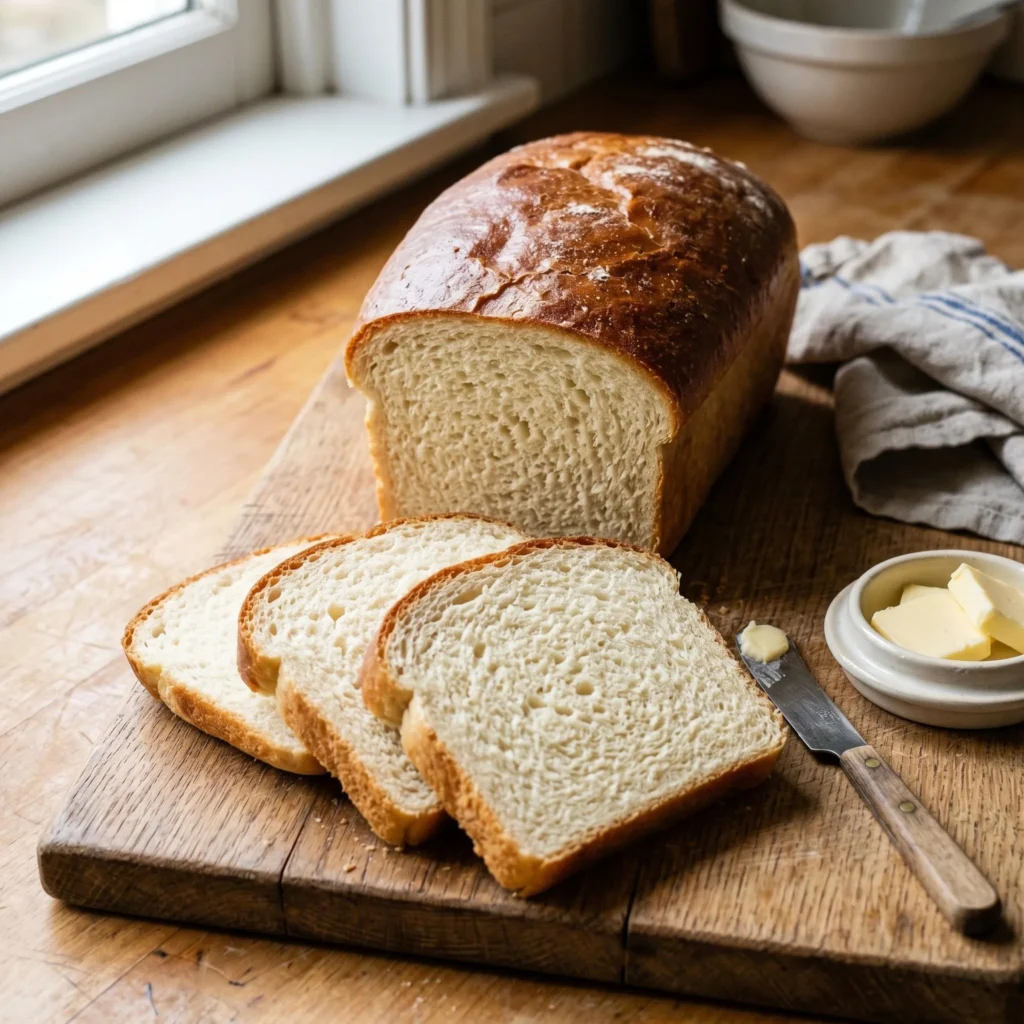
Thanks to the magical moisture-retaining properties of the potato starch, this bread stays fresh longer than standard homemade white bread.
Store your cooled loaf in an airtight bread bag or wrapped tightly in plastic wrap at room temperature for up to 4 days. For longer storage, freezing is the best option. Slice the entire loaf, wrap it securely in plastic wrap, and place it in a freezer-safe bag for up to 3 months. You can pull out individual slices and pop them directly into the toaster. Avoid the refrigerator, as it will dry the bread out prematurely.
Ways to Use Potato Bread
Now comes the fun part. This incredibly versatile loaf elevates almost any meal. Use it for:
- The ultimate, gooey grilled cheese sandwiches
- Thick-cut French toast layered with maple syrup and berries
- A premium base for towering deli meat sandwiches
- Simple morning toast with a heavy smear of salted butter and jam
- Rustic croutons for soups and salads once the bread gets slightly stale
Once you start making your own potato bread, you’ll find yourself planning your entire weekly menu around it.
Frequently Asked Questions
Can I use instant mashed potatoes? Yes. If you are short on time, you can reconstitute instant potato flakes. Just be sure to measure out 1/2 cup of the prepared mashed potatoes and let them cool before adding them to the dough.
Why is my dough so sticky? Potatoes hold varying amounts of moisture depending on the type and how they were boiled. If your dough is stubbornly sticking to the bowl after 5 minutes of kneading, sprinkle in a little extra flour, one tablespoon at a time, until it pulls away.
Can I make dinner rolls out of this dough? Absolutely. After the first rise, punch the dough down and divide it into 12 to 15 equal pieces. Roll them into tight balls, place them in a greased 9×13 baking dish, let them rise until puffy, and bake for 20 to 25 minutes.
Final Thoughts
This easy homemade potato bread recipe proves that artisanal baking doesn’t require a culinary degree or complicated commercial additives. With just a single potato and some basic pantry staples, you can create a warm, beautifully textured loaf that completely transforms your sandwiches and morning routines. Once you taste that sweet, buttery crumb fresh off the cooling rack, you’ll understand why this old-fashioned technique has stood the test of time. So grab a potato, activate that yeast, and enjoy the simple, rewarding joy of making perfect bread from scratch.