Kitchen Trends to Avoid in 2026: Styles That Are Officially Out
Kitchen design changes fast, and what looked sleek a few years ago can now make your space feel dated. As 2026 approaches, homeowners are moving toward warmer palettes, natural materials, long-lasting craftsmanship, and layouts that genuinely support everyday living. This means many once-popular trends are now falling out of favor.
If you’re planning a remodel, here are the kitchen trends to avoid in 2026 — and what to try instead.
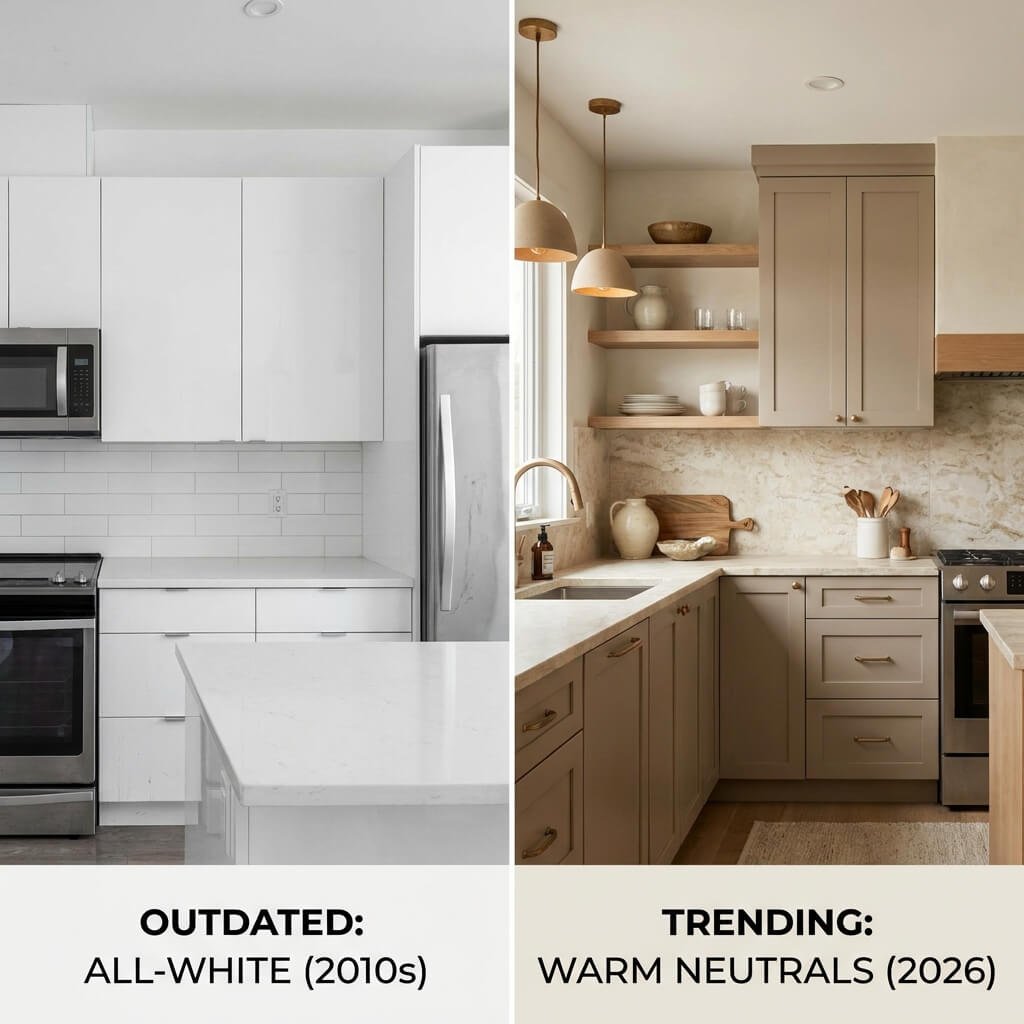
1. All-White Kitchens
The all-white kitchen dominated for nearly a decade, but in 2026 it’s losing its charm. The sterile look no longer feels inviting, and maintenance has proven exhausting. Every scratch, stain, and fingerprint stands out, and the space often lacks soul.
- What to try instead: Warm neutrals like taupe, mushroom, soft beige, clay, or olive green. These tones create depth and hide wear better while still feeling clean and modern. Pairing warm tones with wood accents and textured stone does most of the heavy lifting.
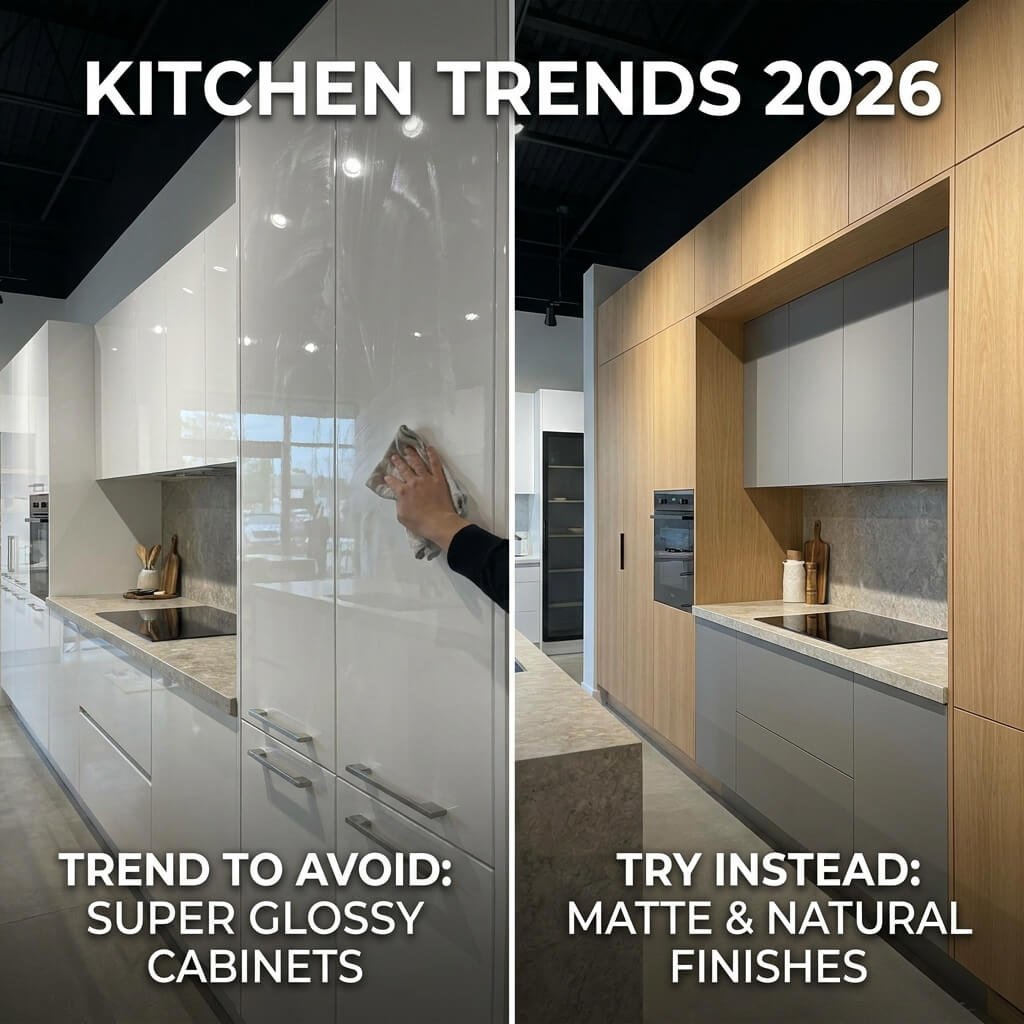
2. Super Glossy Cabinets
High-gloss cabinets once symbolized modern luxury, but sunlight, fingerprints, and micro-scratches made them impractical. In 2026, the trend has shifted away from reflective finishes because they show every imperfection.
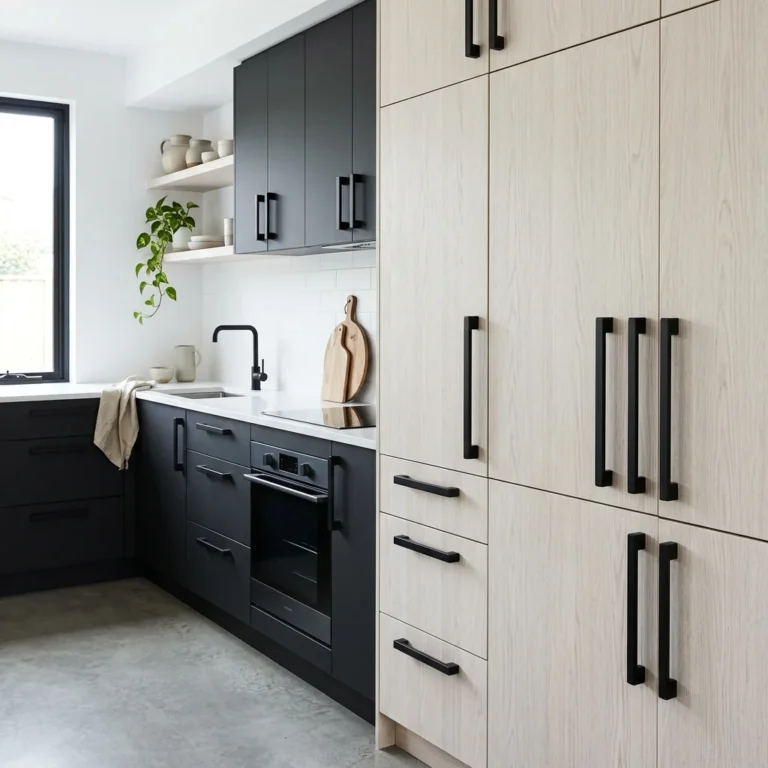
- What to try instead: Matte, semi-matte, or soft-touch cabinet fronts. They look more high-end, feel natural, and require far less cleaning. Light oak is currently replacing the glossy white look in many renovations.
3. Open Shelving Overload
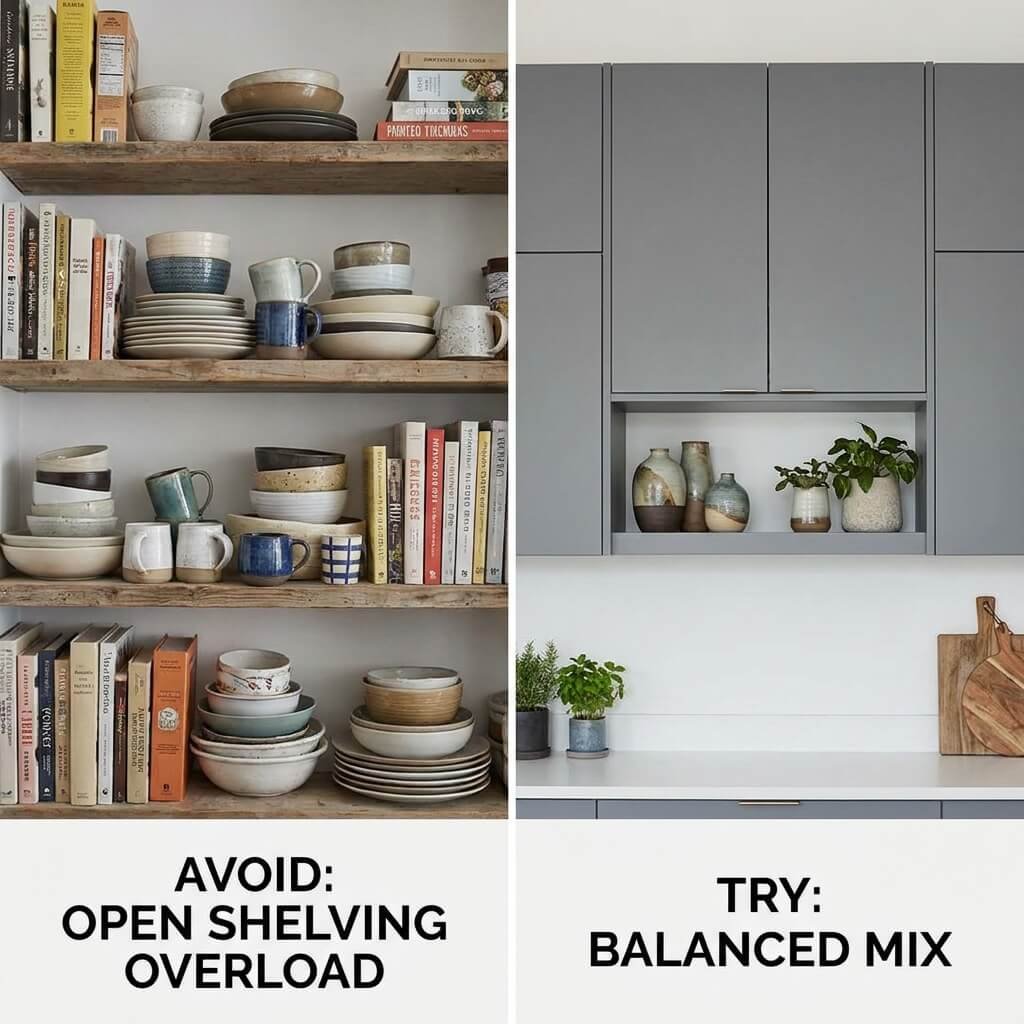
A few open shelves can look beautiful, but entire walls of exposed storage are becoming outdated. They gather dust quickly, require constant styling, and are not ideal for busy households.
- What to try instead: A balanced mix: one or two open shelves combined with plenty of closed upper cabinetry. This gives you space to hide everyday items while displaying only the pieces you truly love.
4. Farmhouse Everything
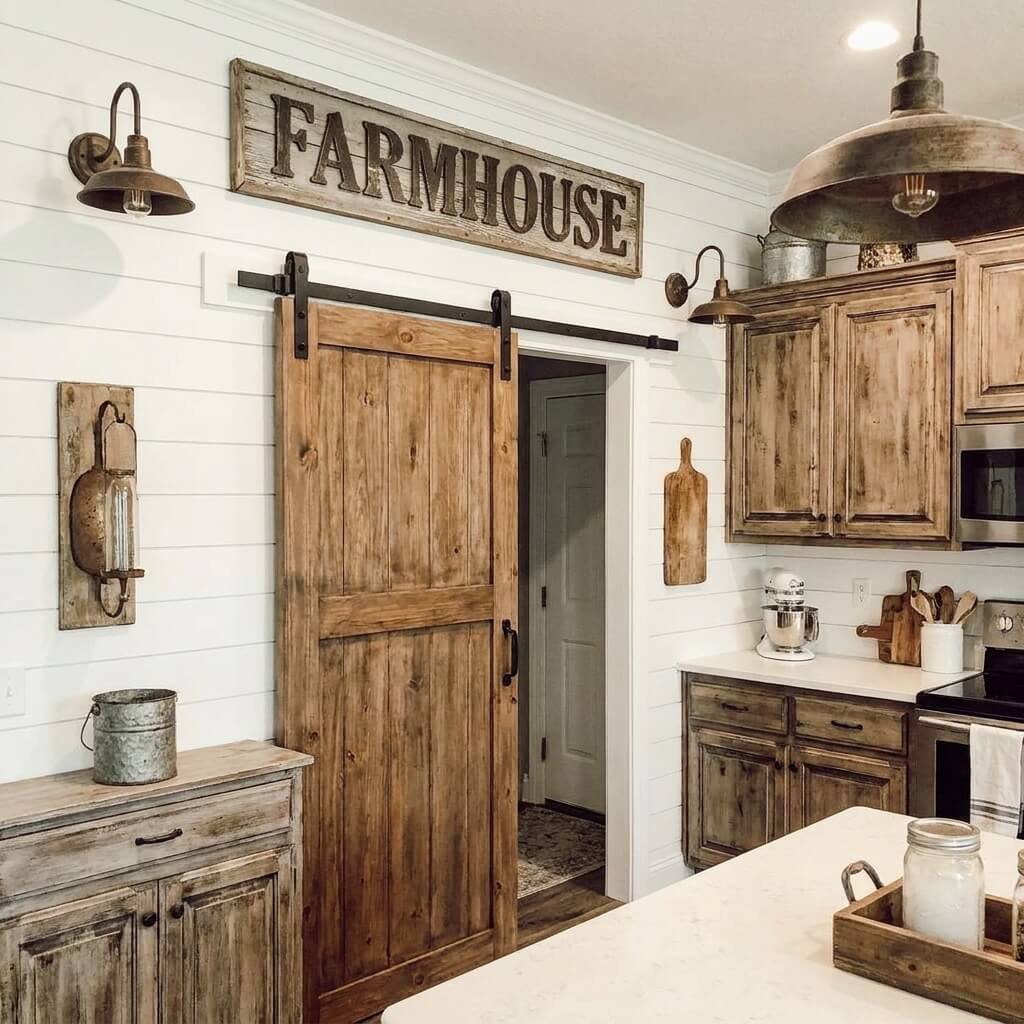
Shiplap walls, barn doors, distressed wood, and overly rustic finishes are now seen as overdone. The farmhouse aesthetic had its moment, but in 2026 homeowners are looking for kitchens that feel timeless, not theme-based.
- What to try instead: Modern organic design—natural woods, clean lines, earthy colors, linen textures, and subtle architectural details. Lean into warmth over a specific “rustic” theme.
5. Gray-on-Gray Color Schemes
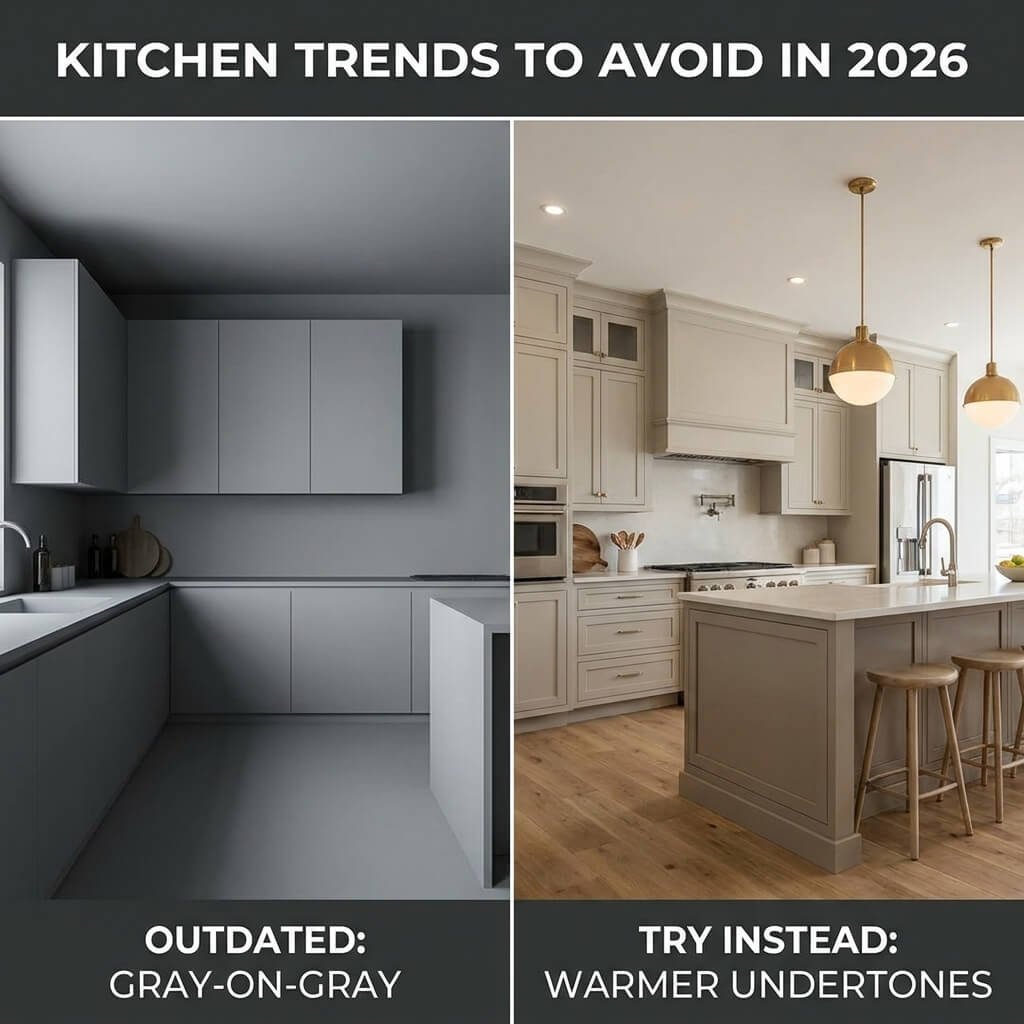
For years, gray dominated the design world, but it now feels flat and uninspired. Entire kitchens coated in cool gray tones can make a home feel cold and outdated.
- What to try instead: Warmer undertones like greige, camel, mushroom, or deep espresso. Even charcoal works beautifully when paired with warm flooring or natural stone.
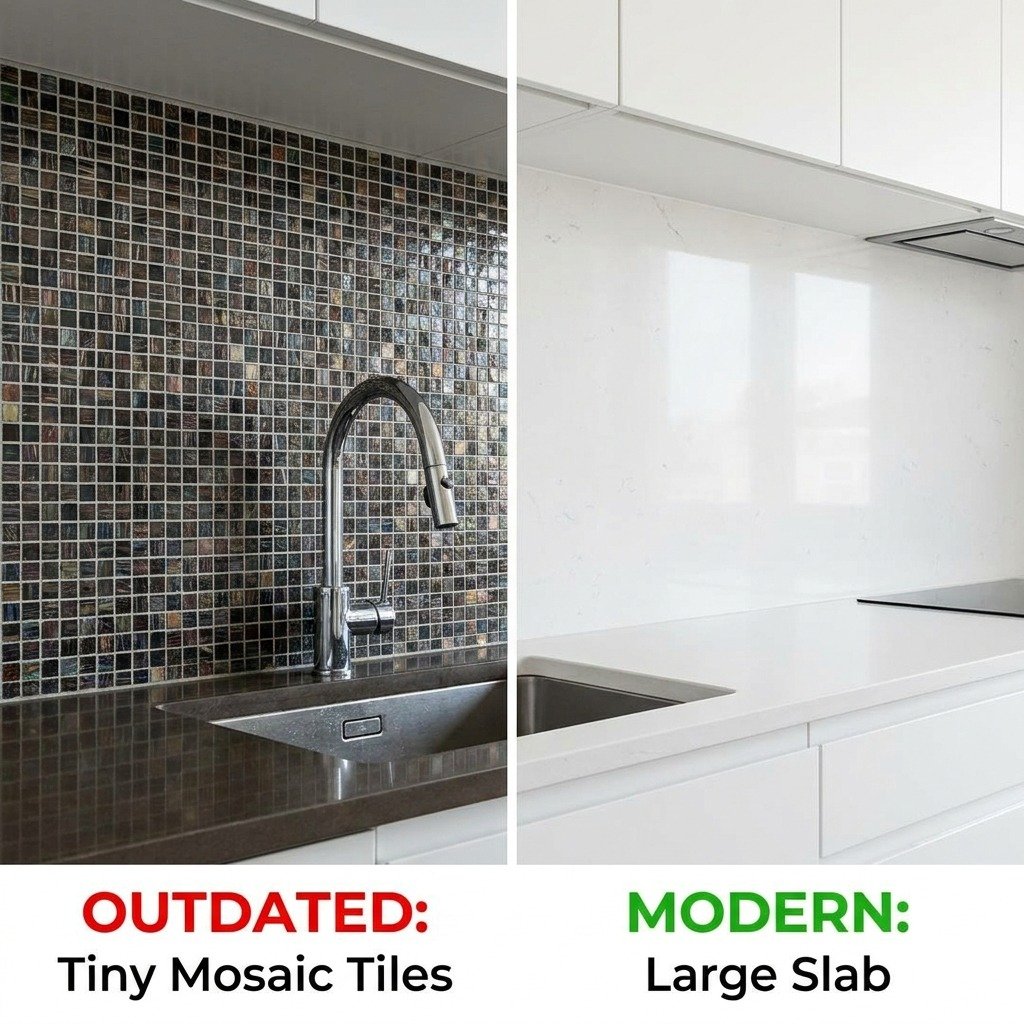
6. Tiny Backsplash Tiles
Small mosaic tiles or busy patterns are no longer desirable. They date the kitchen instantly and make cleaning much harder due to excess grout lines.
- What to try instead: Large-format slabs, quartz backsplashes, or simple subway tiles with minimal grout. These options feel luxurious, modern, and easy to maintain.
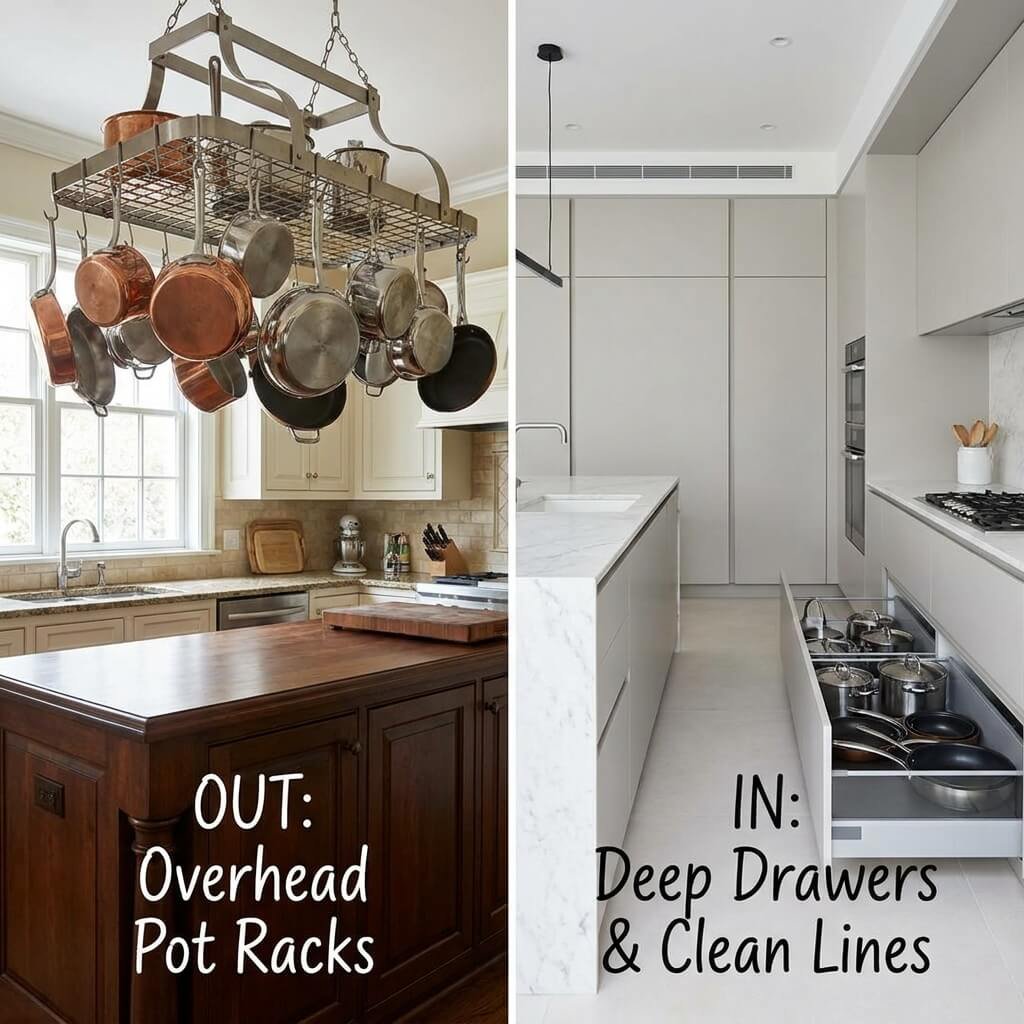
7. Overhead Pot Racks
Hanging pots above an island was once seen as functional, but in 2026 it appears cluttered and blocks sightlines. Most homeowners prefer a cleaner, streamlined look.
- What to try instead: Deep drawers for cookware, built-in organizers, or a wall-mounted rail system that blends into the kitchen.
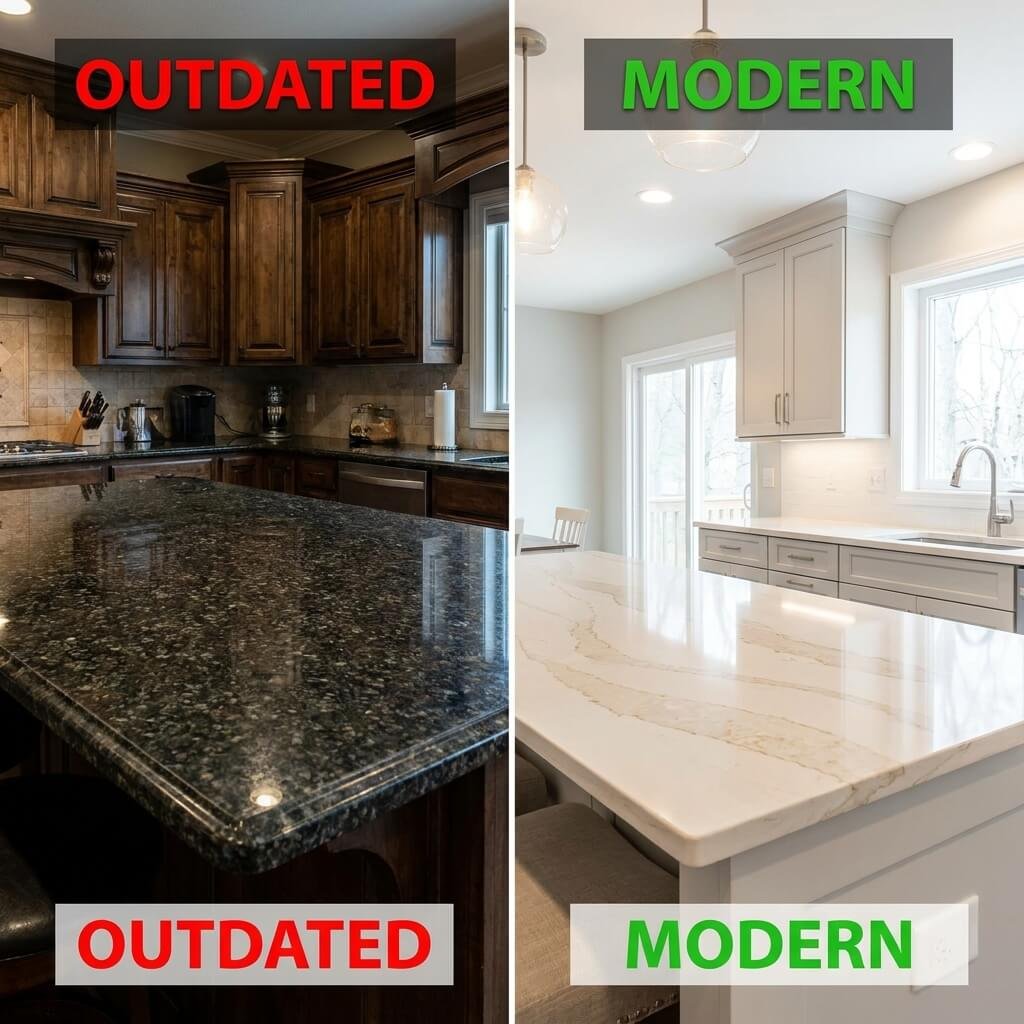
8. Dark, Heavy Granite
Thick, speckled, heavy granite countertops from the 2000s are officially outdated. They absorb light, limit color choices, and make a kitchen feel visually heavy.
- What to try instead: Light quartz, marble-look surfaces, honed limestone, or warm-toned granite with subtle movement. These materials brighten the room and feel current.
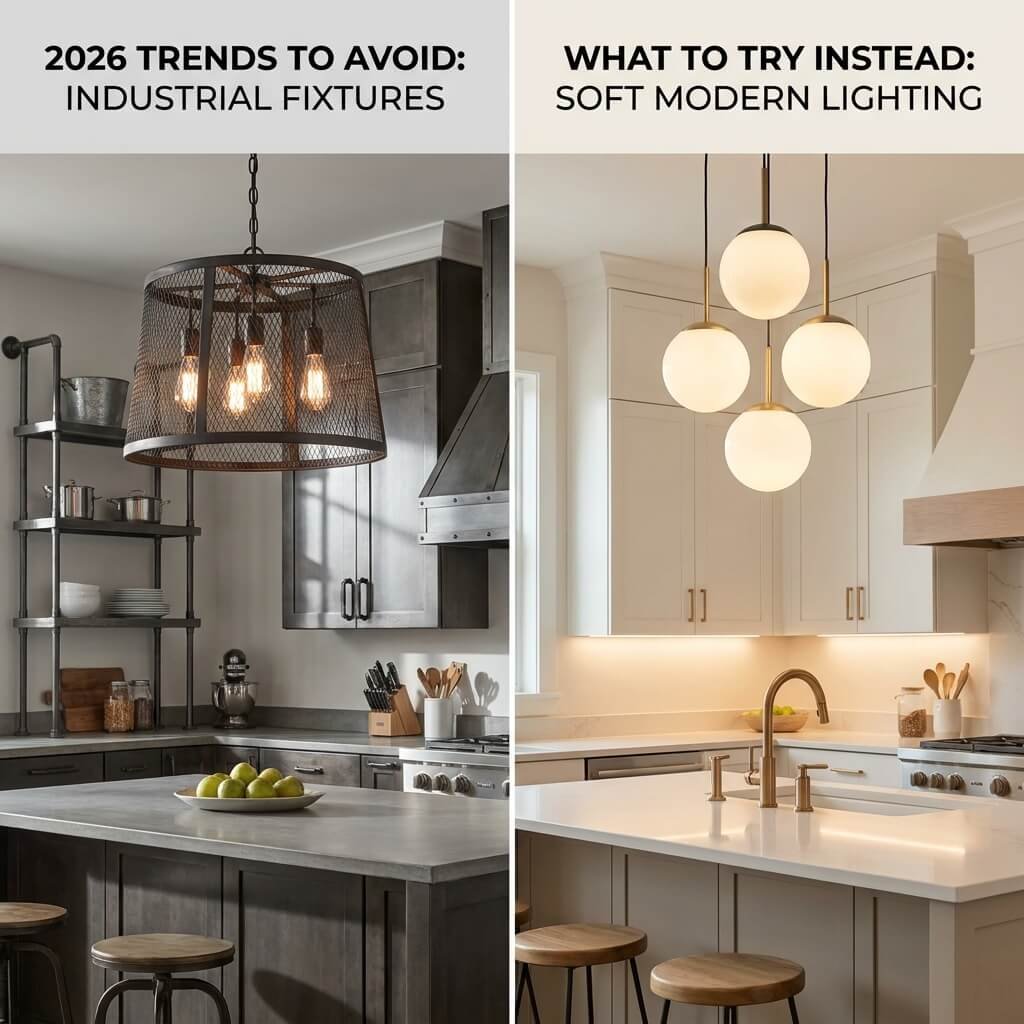
9. Industrial-Style Fixtures
Exposed bulbs, cage pendants, and overly industrial metals are losing popularity. They can make a kitchen feel harsh and overly themed.
- What to try instead: Soft modern lighting with curved silhouettes, warm diffused light, and finishes like champagne bronze, muted black, or brushed nickel.
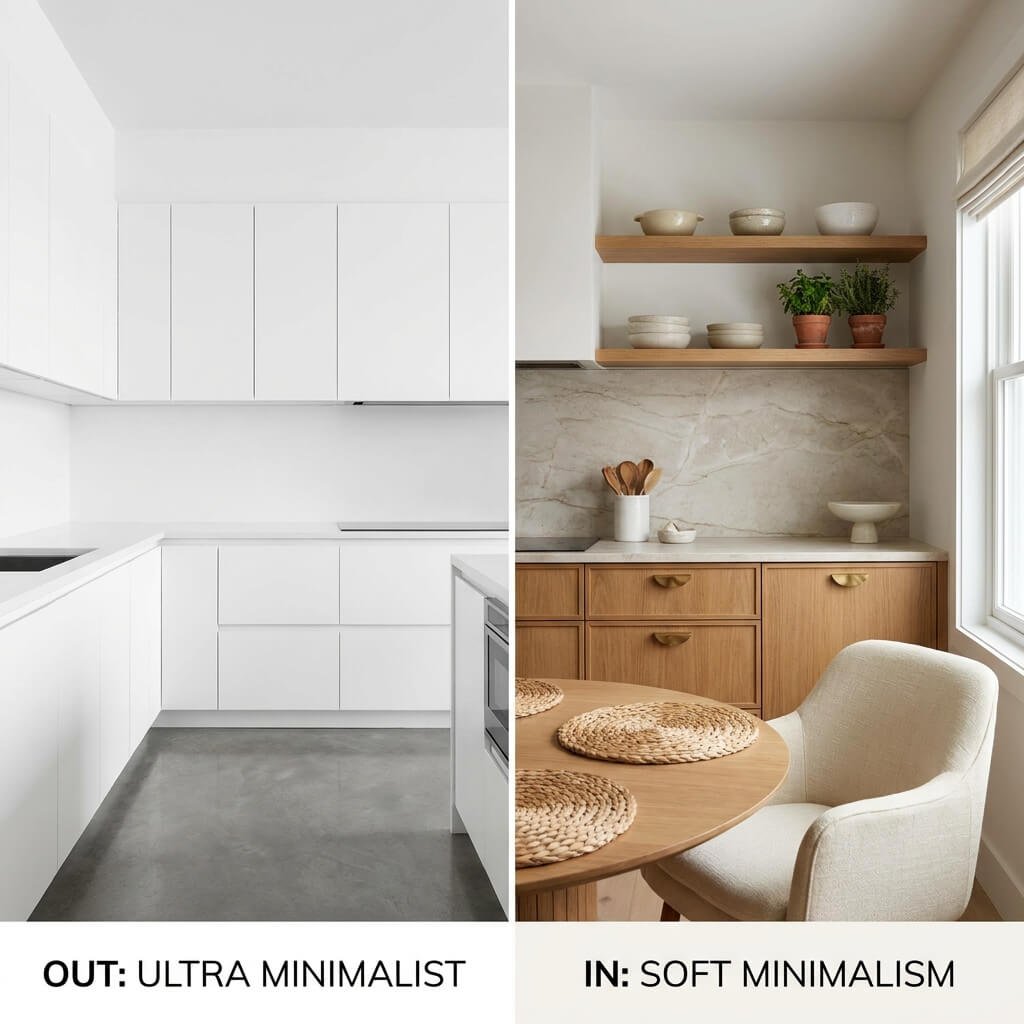
10. Ultra Minimalist Kitchens
The no-hardware cabinets, completely flat surfaces, and stark minimalism are giving way to kitchens with personality and texture. People now want spaces that feel lived-in.
- What to try instead: Soft minimalism—clean lines paired with cozy elements like natural stone, textured fabrics, sculptural hardware, and warm woods.
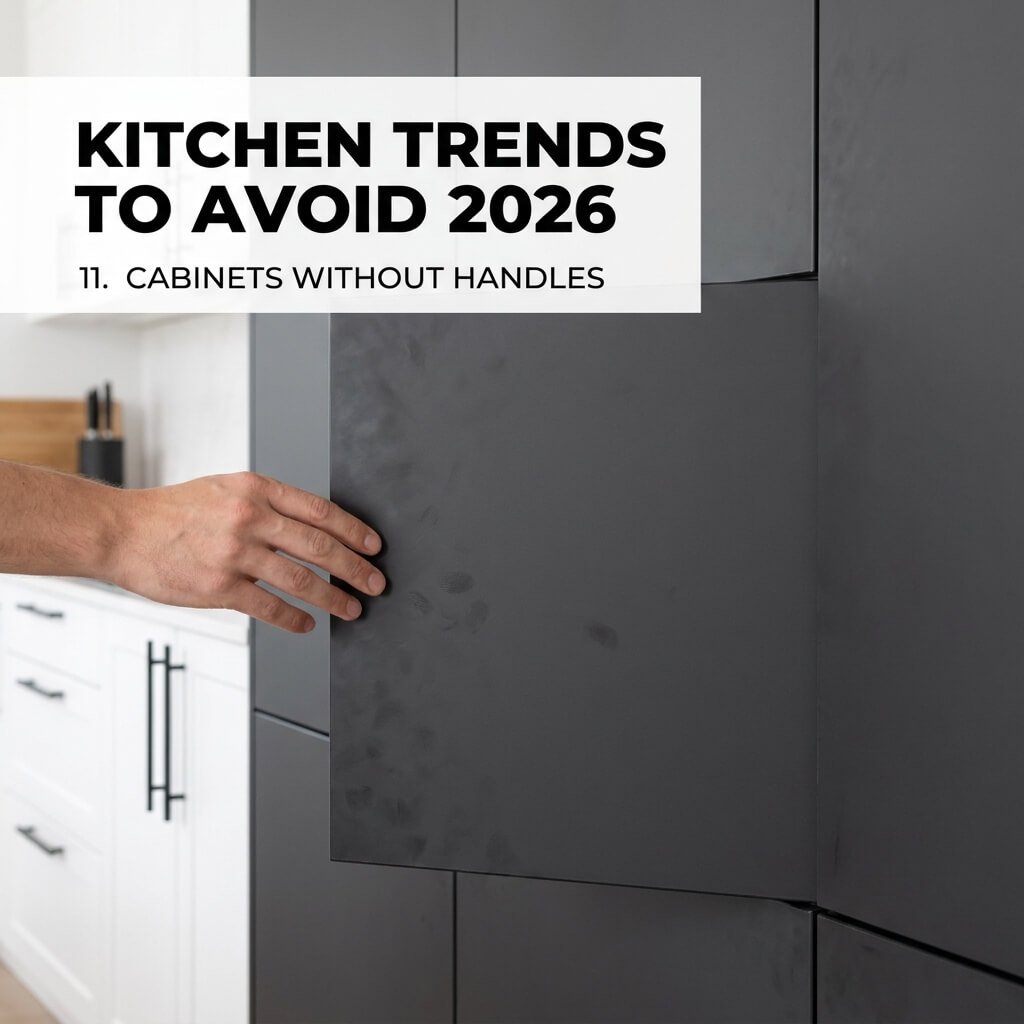
11. Cabinets Without Handles
Handle-less cabinets seemed futuristic, but they are often frustrating to use and prone to fingerprints.
- What to try instead: Slim modern hardware or integrated pulls that add function without overwhelming the design.
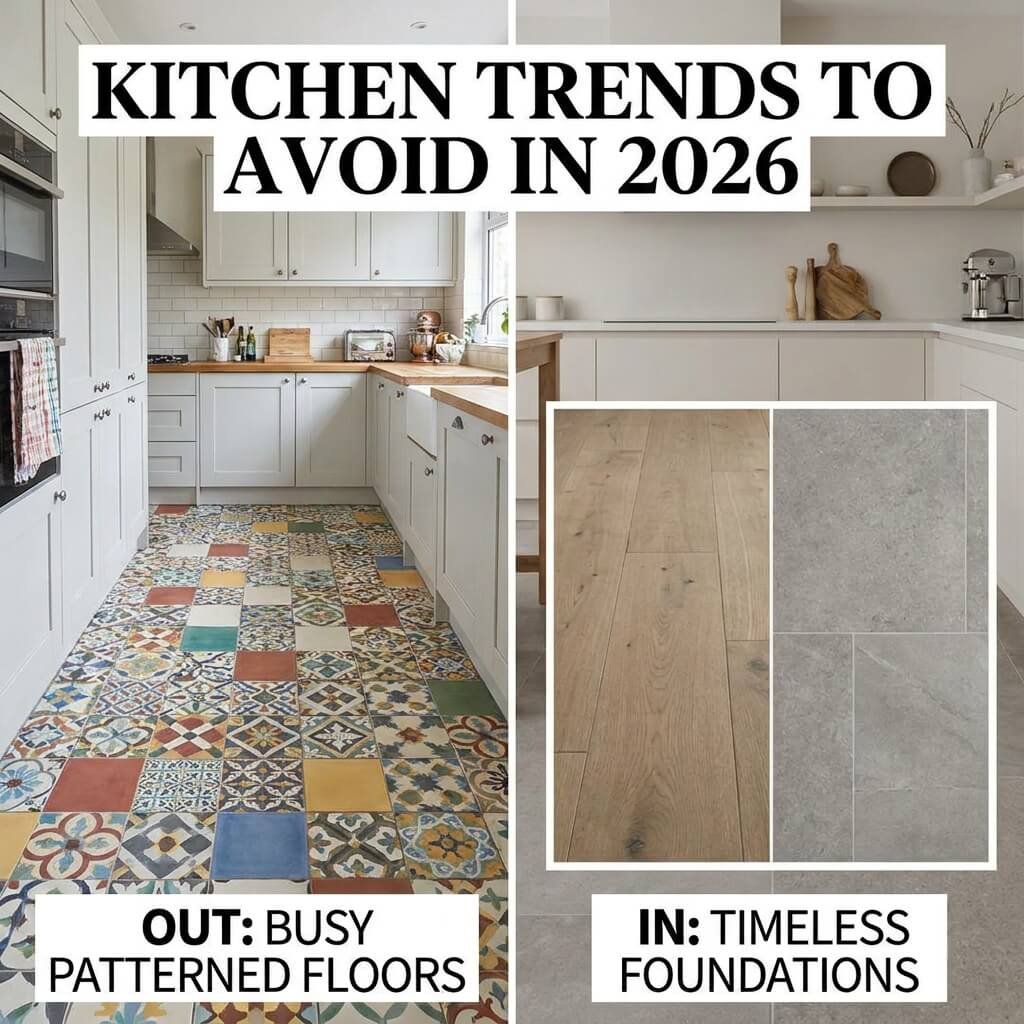
12. Busy Patterned Floors
Moroccan tiles, patchwork patterns, and bold color mixes are fading out. They quickly date a space and can overwhelm the room visually.
- What to try instead: Neutral stone-look tiles, herringbone wood floors, or wide-plank flooring for a timeless foundation.
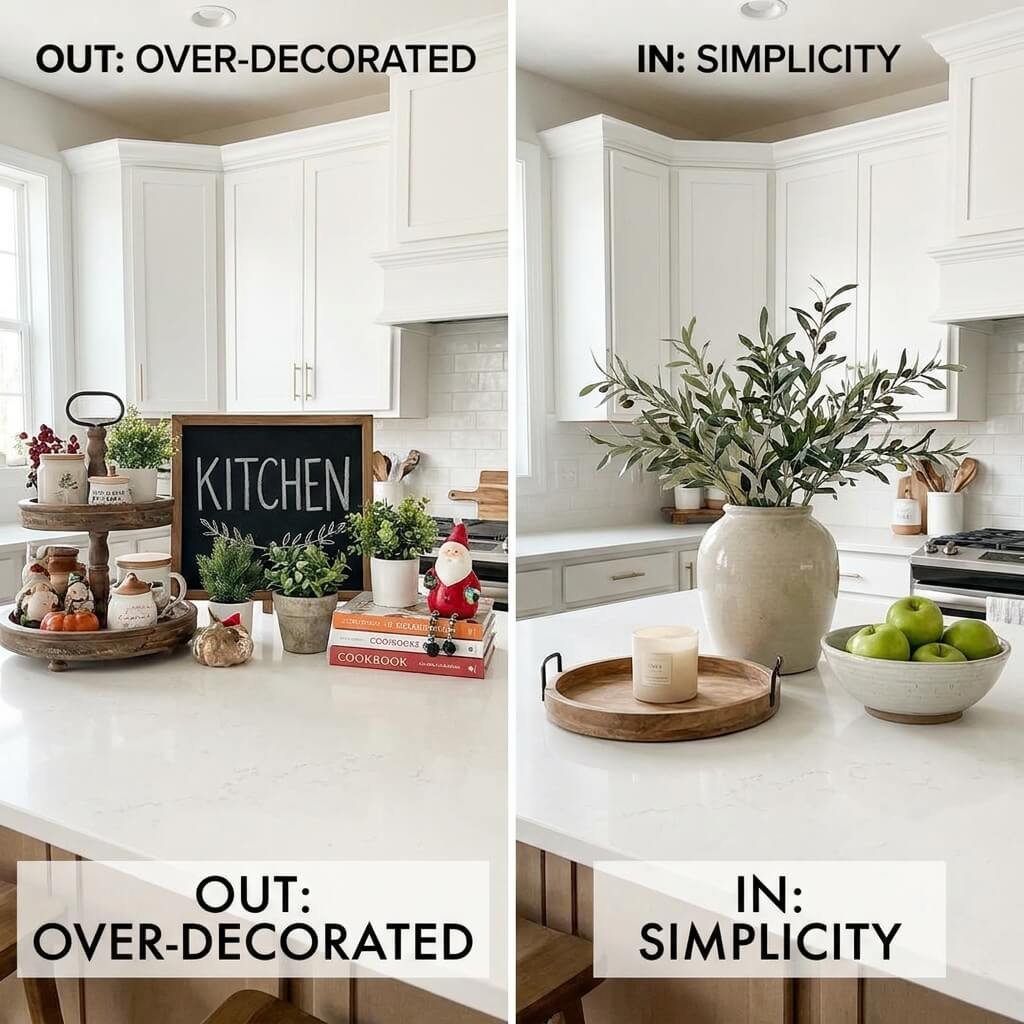
13. Over-Decorated Countertops
Decor piled on every corner—tiered trays, chalkboards, signs, seasonal décor—is no longer trending.
- What to try instead: A few sculptural pieces: a tray, one statement vase, or a beautiful bowl of fruit. Simplicity always looks more expensive.
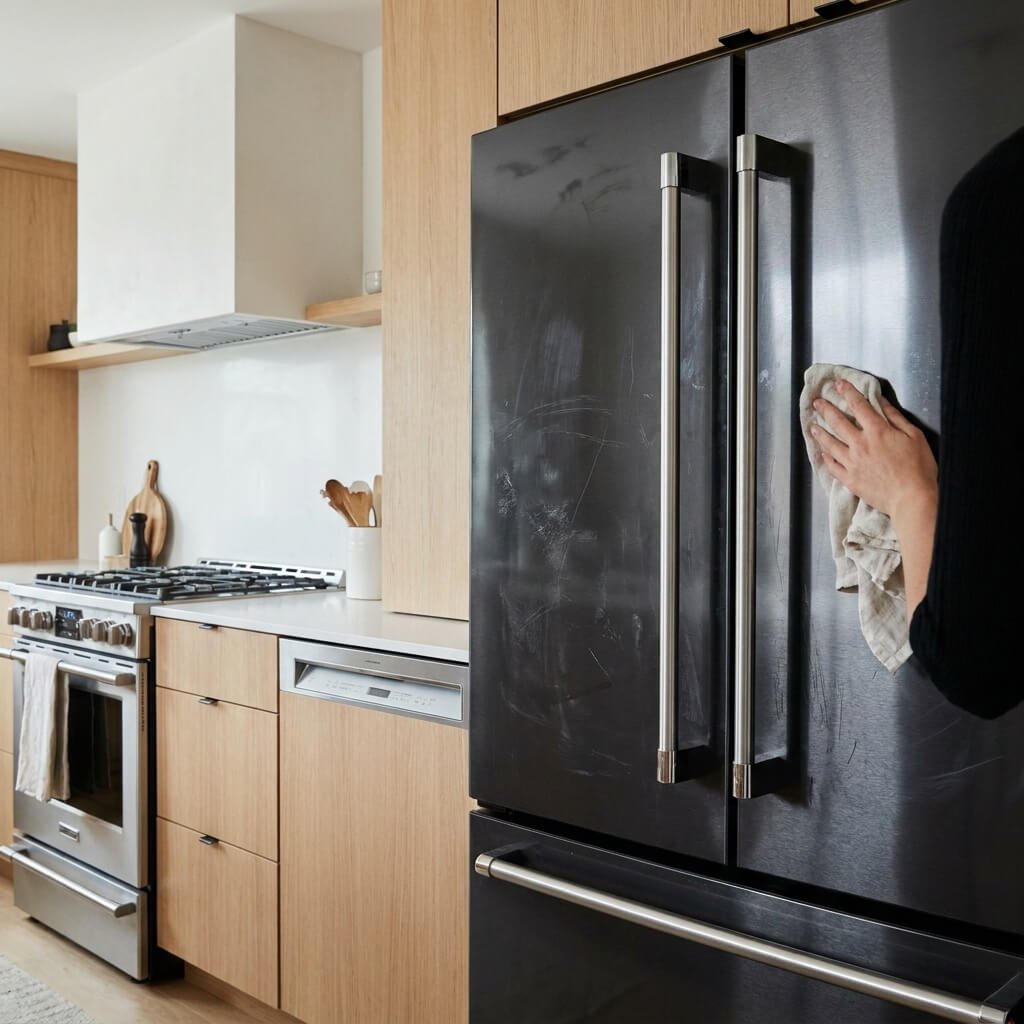
14. Black Stainless Steel Appliances
While they seemed modern at first, black stainless scratches easily and is difficult to match across brands.
- What to try instead: Classic stainless, panel-ready appliances that disappear into cabinetry, or modern white matte finishes.
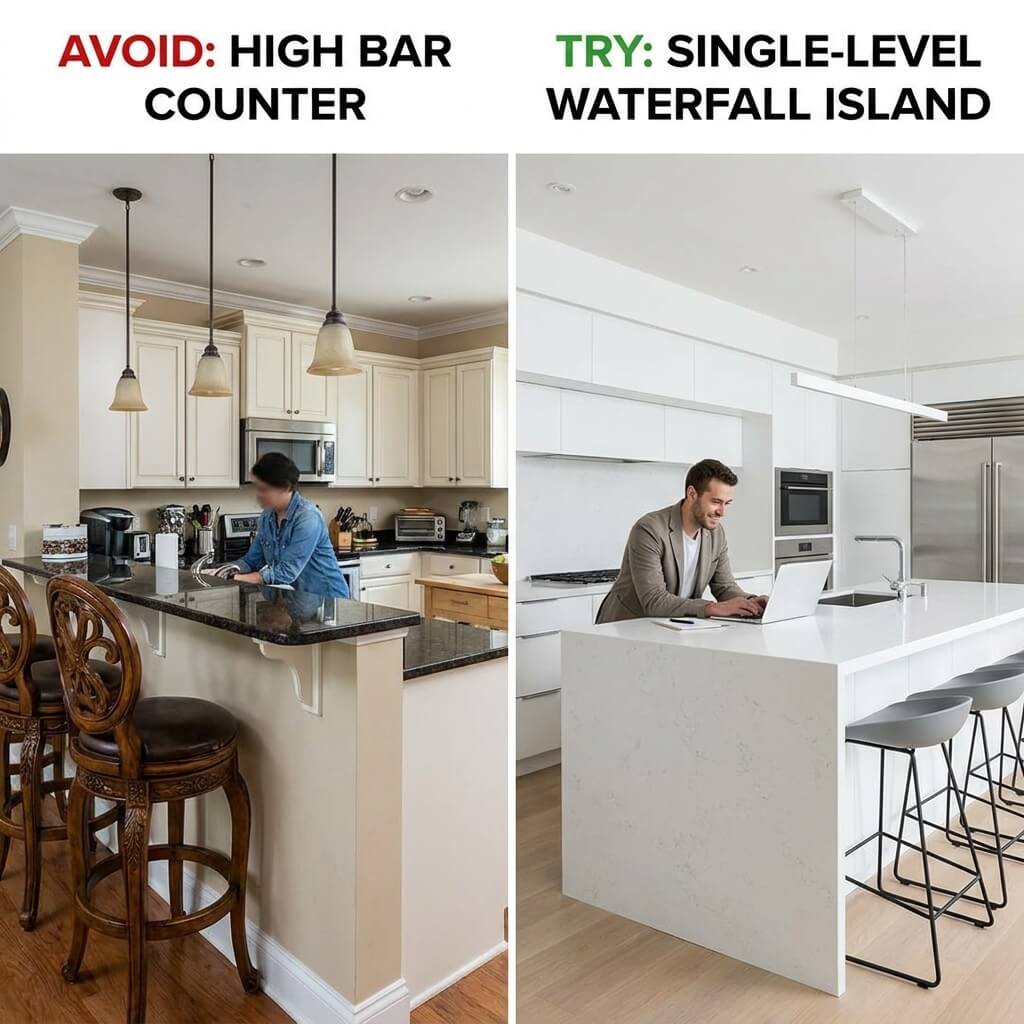
15. High Bar Counters
Raised bar countertops visually divide the kitchen and make spaces feel smaller and dated. They also reduce usable surface area.
- What to try instead: Waterfall islands or wide, single-level countertops that create a clean, open, luxurious look.
What’s Replacing These Outdated Trends in 2026?
The biggest shift is toward kitchens that feel warm, natural, intentional, and timeless. Instead of chasing fleeting trends, homeowners are focusing on:
- Natural stone with soft movement.
- Warm woods and earth-toned cabinets.
- Organic shapes and curved details.
- Functional layout planning that prioritizes the “work triangle.”
- High-quality materials over flashy, temporary finishes.
Final Thoughts Avoiding outdated trends is just as important as embracing new ones. The key to a timeless 2026 kitchen is balance: choose materials with character, colors that warm the home, and layouts that support how you actually cook and live. By steering clear of these fading trends, your kitchen will not only look current now but remain stylish for many years to come.