Flatbread Recipes: Easy and Delicious Ideas to Try at Home
Soft homemade flatbread is easier to make than it looks. This simple skillet version uses basic pantry ingredients, requires no yeast, and cooks directly on the stovetop. The result is a soft, flexible bread with golden brown spots and light bubbles across the surface.
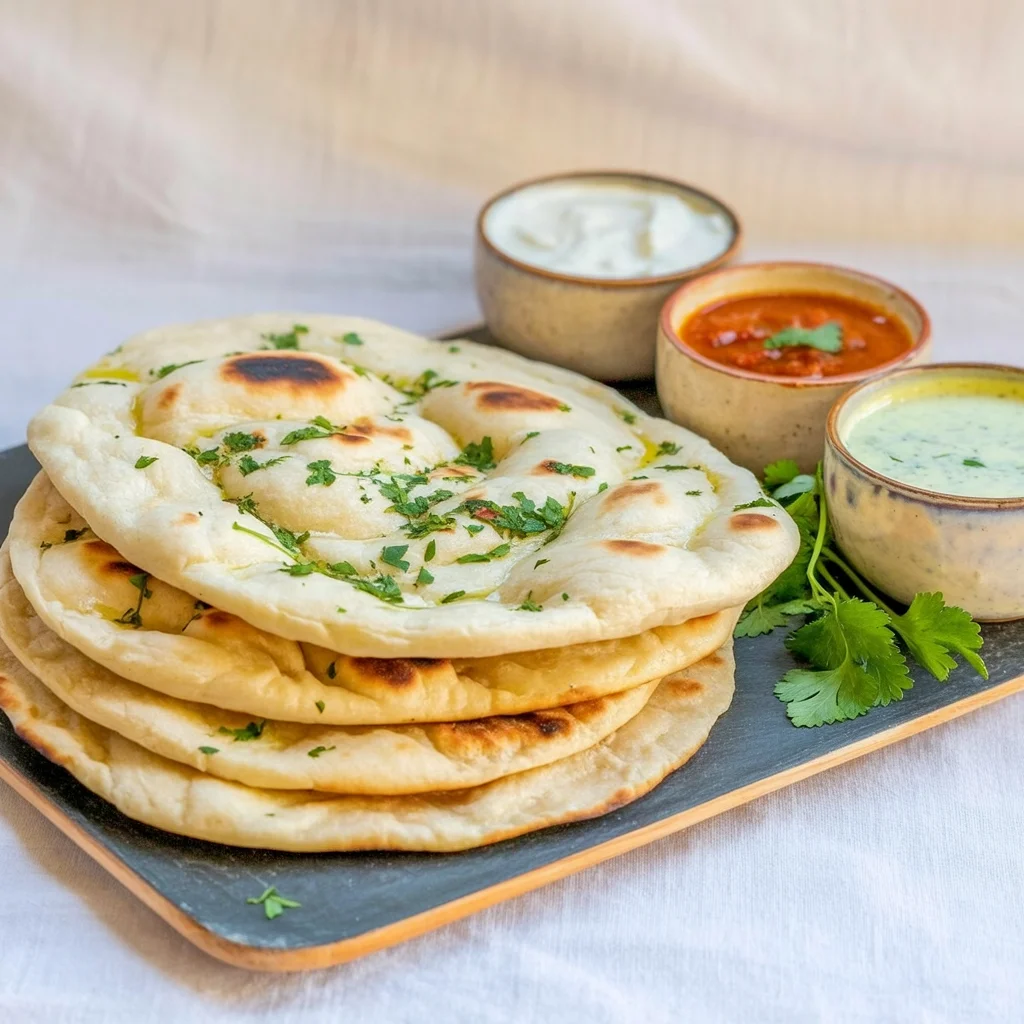
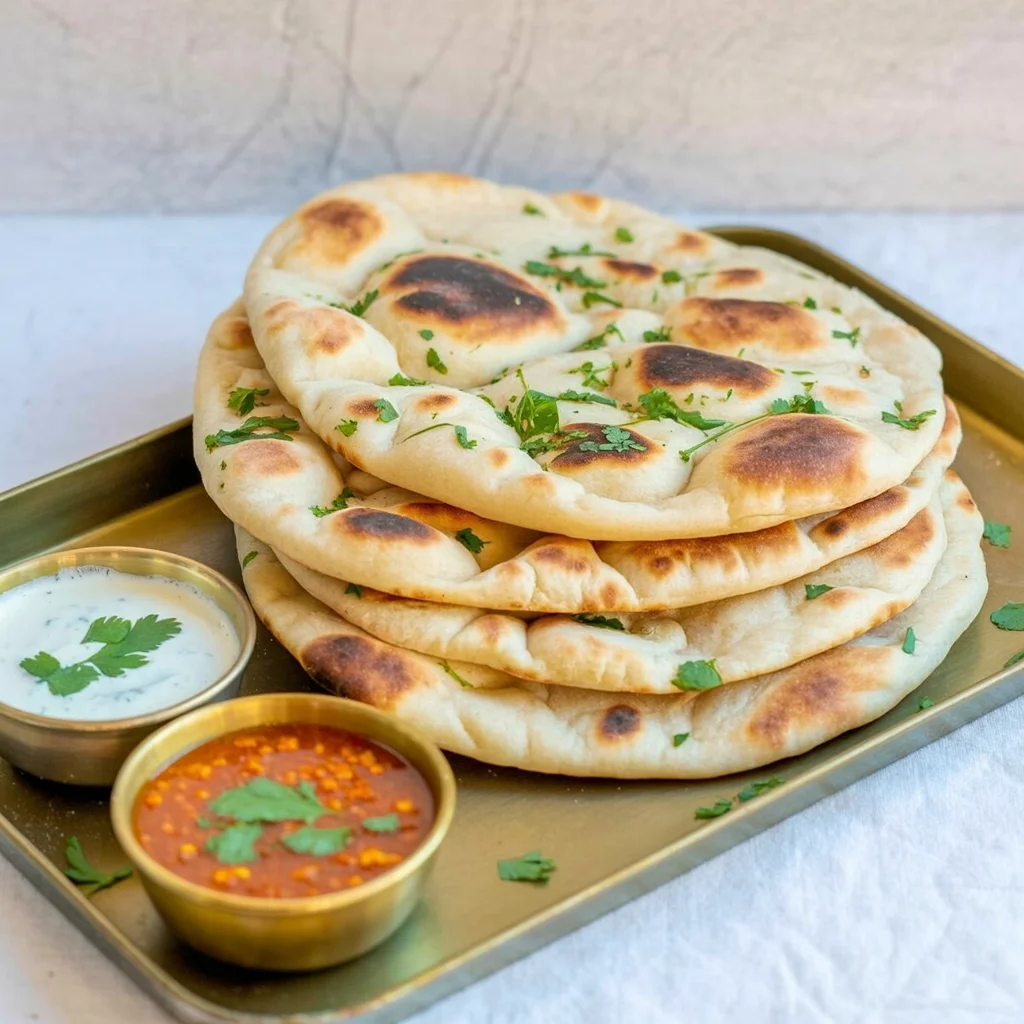
These flatbreads work well with dips, curries, grilled meats, vegetables, or as wraps. You can also brush them with a little olive oil or melted butter and finish with fresh herbs for a serving style similar to the flatbreads shown in the images.
Once you learn the basic method, the same dough can also be turned into garlic herb flatbread, whole wheat flatbread, or even a lightly sweet version.
⏱️ 15 Min prep time | 🍲 1 Skillet stovetop cooking | 🫓 No Yeast baking powder dough | 📅 Make Ahead dough can rest in advance |
| Prep Time | 15 minutes |
| Rest Time | 15 minutes |
| Cook Time | 12–15 minutes |
| Total Time | About 45 minutes |
| Servings | 6 |
| Yield | 6 medium flatbreads |

Why You Will Love This Recipe
- No yeast needed: Baking powder gives the dough enough lift without a long rise.
- Simple ingredients: Flour, baking powder, salt, oil, and water are all you need.
- Cooked in a skillet: No oven is required.
- Soft and flexible: These flatbreads work well for wraps, dips, or serving with meals.
- Easy to customize: Add herbs, garlic, spices, or whole wheat flour to change the flavor.
- Freezer-friendly: Make a batch and reheat individual pieces when needed.
Equipment You Will Need
- Large mixing bowl
- Measuring cups and spoons
- Wooden spoon or spatula
- Rolling pin
- Non-stick or cast-iron skillet
- Tongs or spatula
- Clean kitchen towel
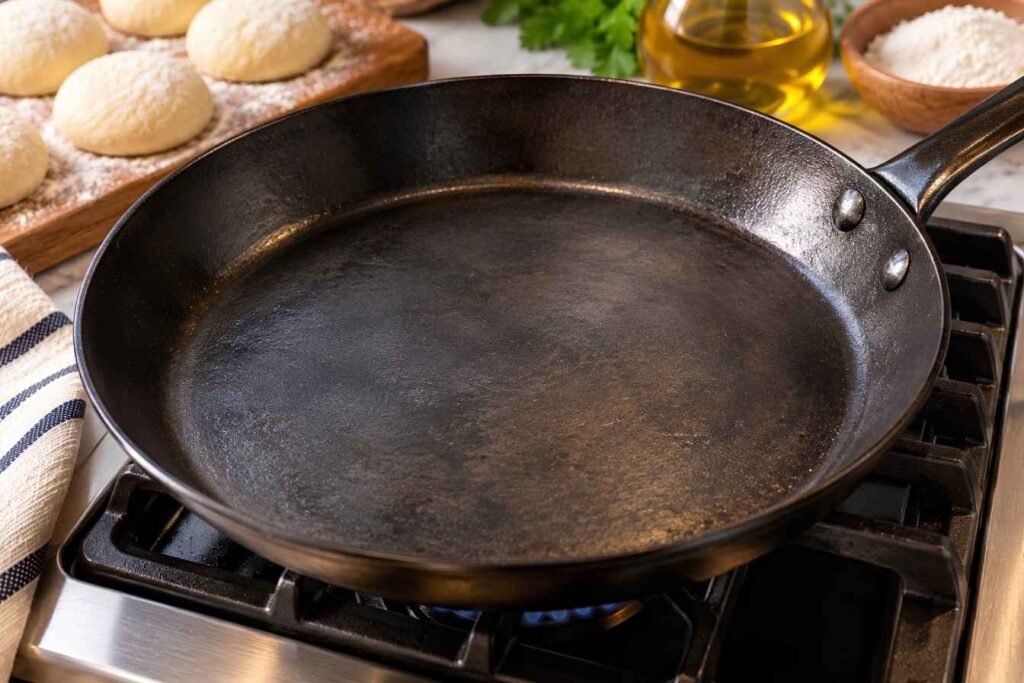
A heavy skillet works especially well because it holds heat evenly and helps create the dark golden spots you see on homemade flatbread.
Ingredients You Will Need
- 2 cups all-purpose flour, plus a little extra for rolling
- 2 teaspoons baking powder
- 1 teaspoon salt
- 2 tablespoons olive oil
- About 3/4 cup warm water
- 1 tablespoon chopped fresh parsley or cilantro, optional
- Melted butter or extra olive oil for brushing, optional
Ingredient Notes
Flour
All-purpose flour gives the flatbreads a soft texture while still making the dough easy to roll. Avoid adding too much extra flour during kneading because a dry dough can produce tougher bread.
Baking Powder
Baking powder helps the flatbread puff slightly in the skillet. It also gives the inside a lighter texture without using yeast.
Warm Water
Use warm, not hot, water. Add it gradually because different brands of flour can absorb slightly different amounts.
Olive Oil
Olive oil helps keep the dough soft and easier to work with. You can also use another neutral cooking oil.
Fresh Herbs
Parsley or cilantro is optional. You can mix herbs into the dough or sprinkle them over the finished bread after brushing it lightly with butter or oil.
💧 Too Dry Add warm water 1 tablespoon at a time | 👌 Just Right Soft, smooth and slightly tacky | ✋ Too Sticky Add flour 1 tablespoon at a time |
Step-by-Step Instructions For Flatbread Recipe
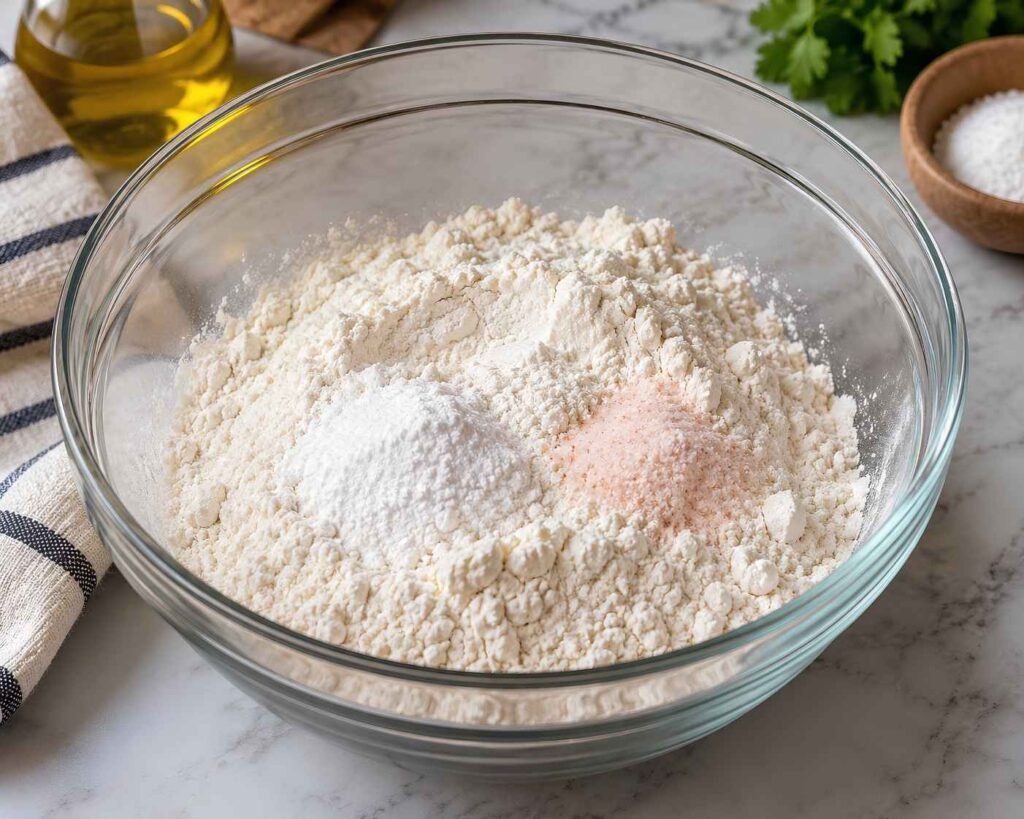
Step 1: Mix the Dry Ingredients
Add the flour, baking powder, and salt to a large bowl. Stir until evenly combined. Making sure the baking powder is mixed throughout the flour helps the flatbreads puff more evenly during cooking.
Step 2: Add the Oil and Water
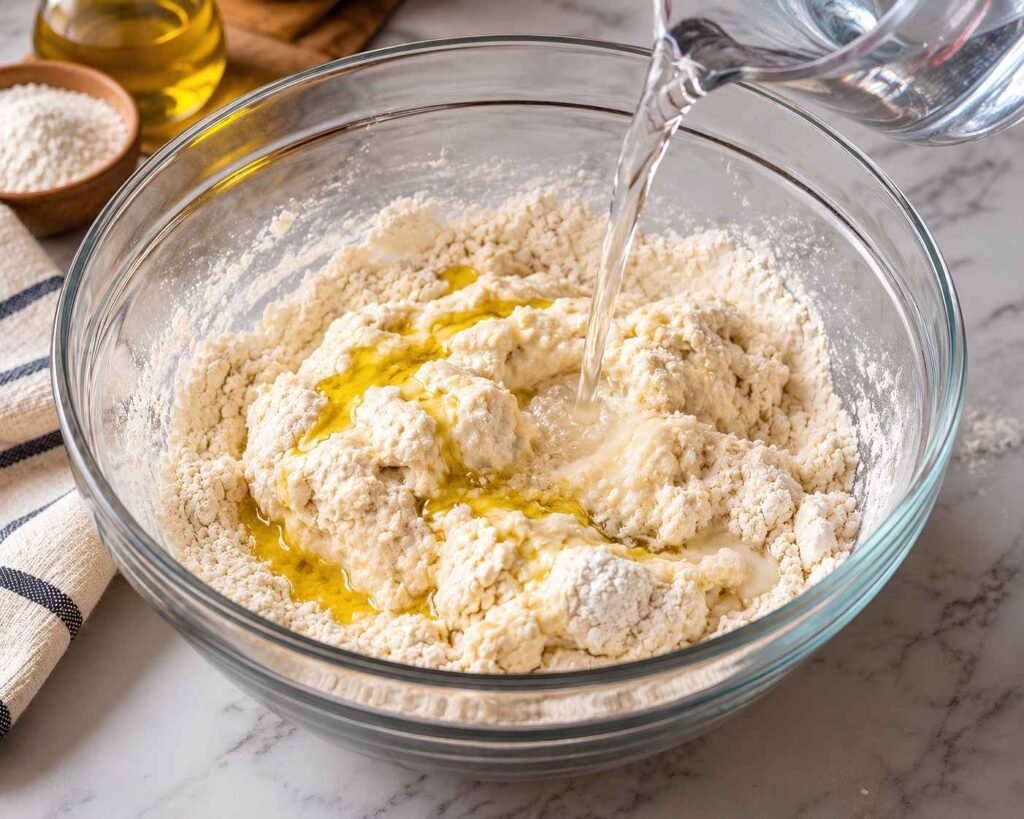
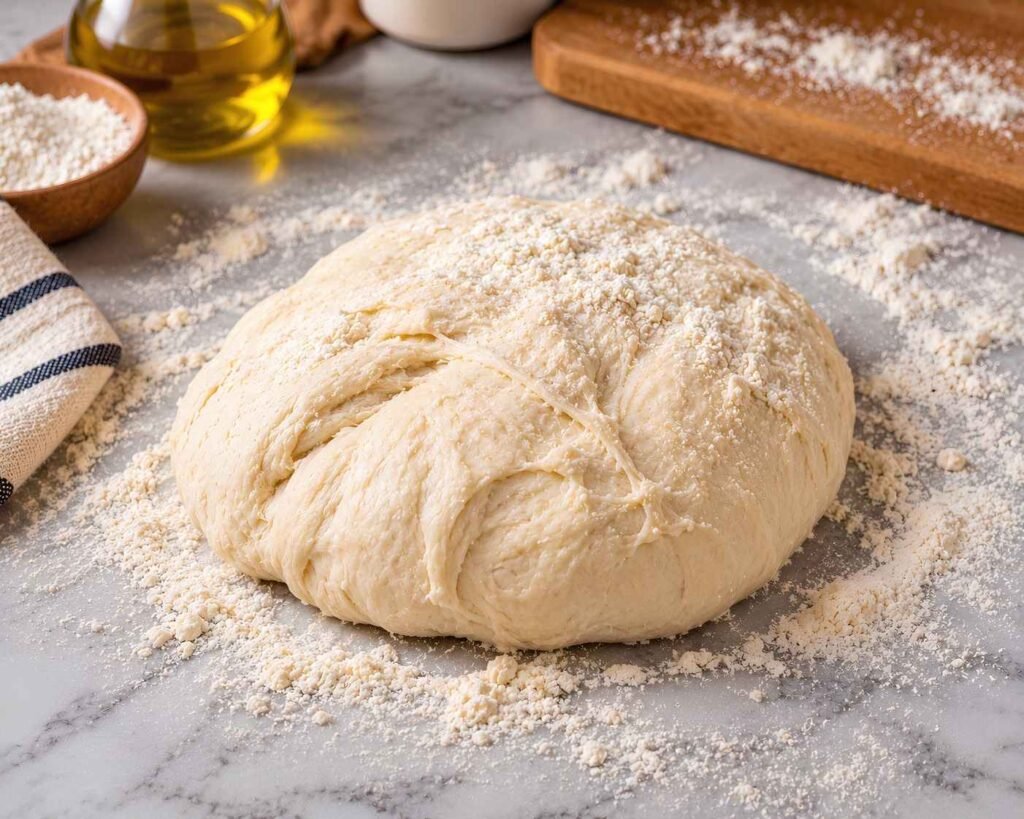
Add the olive oil, then gradually pour in the warm water while stirring. Continue mixing until a soft dough forms. The dough should feel soft and slightly tacky, but it should not stick heavily to your hands.
If the dough feels dry, add another tablespoon of water. If it feels extremely sticky, add flour 1 tablespoon at a time.
Step 3: Knead the Dough
Transfer the dough to a lightly floured surface and knead for about 3 to 4 minutes. The dough should become smoother and more elastic as you knead it. Avoid adding large amounts of extra flour.
Step 4: Let the Dough Rest
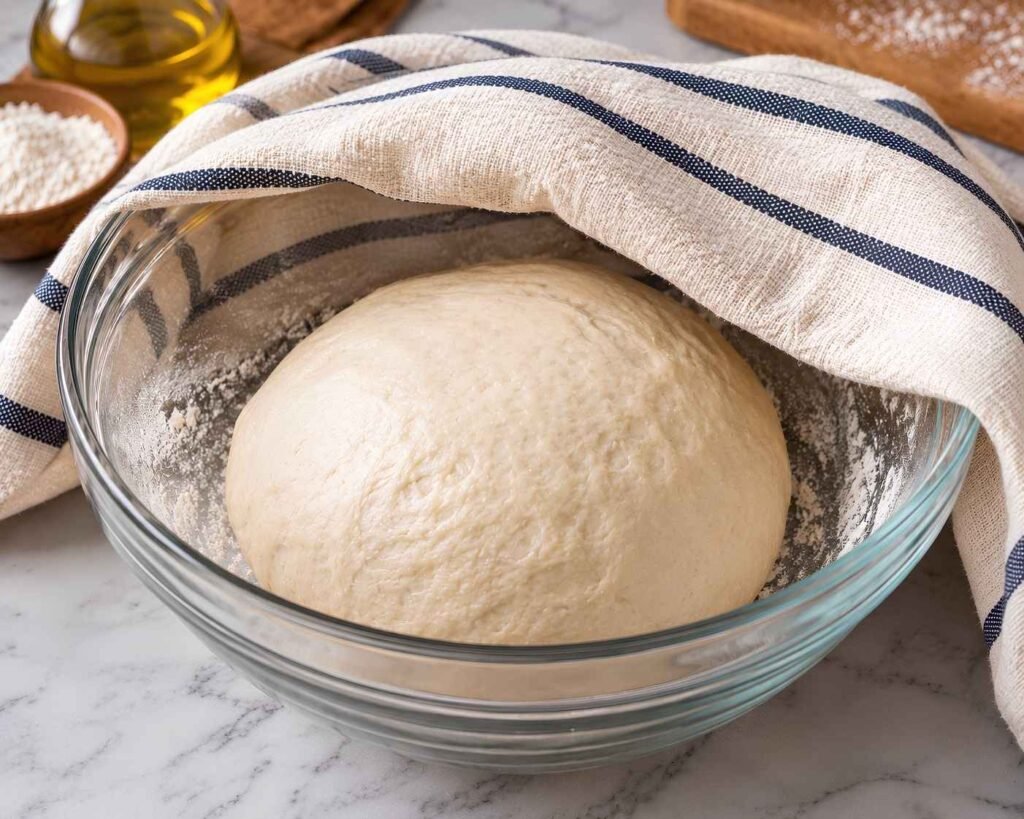
Shape the dough into a ball, cover it with a clean kitchen towel, and let it rest for about 15 minutes. This short rest makes the dough easier to roll and helps prevent the flatbreads from shrinking back.
Step 5: Divide and Roll
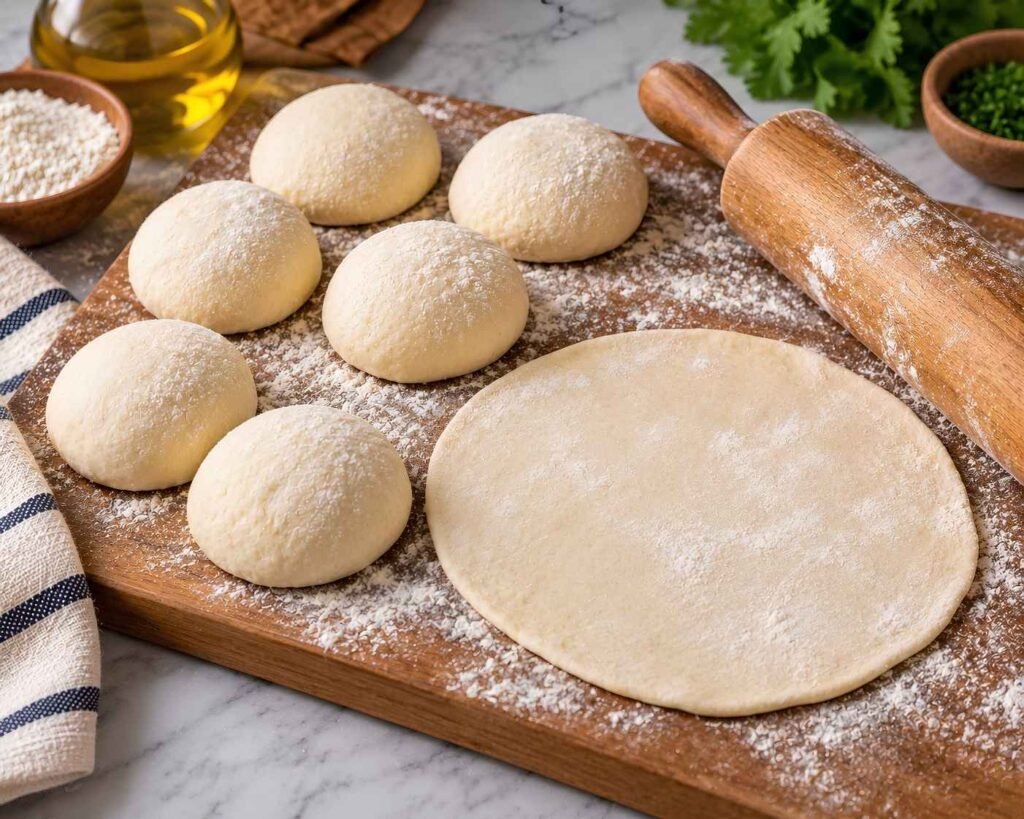
Divide the dough into 6 equal pieces and shape each piece into a ball. Roll each ball into a round about 6 to 7 inches wide. Aim for roughly 1/8-inch thickness.
Do not worry if the circles are not completely even. Homemade flatbreads can have a slightly rustic shape.
Step 6: Heat the Skillet
Place a dry skillet over medium-high heat and allow it to preheat for 2 to 3 minutes. The skillet should be hot before the first flatbread goes in. A properly heated pan helps the dough puff and develop browned spots without drying out.
Step 7: Cook the Flatbreads
Place one rolled flatbread in the hot skillet. Cook for about 1 to 2 minutes, until bubbles appear and the underside develops golden brown spots. Flip and cook the second side for another 30 to 60 seconds.
Repeat with the remaining dough.
If the flatbreads begin browning too quickly, reduce the heat slightly.
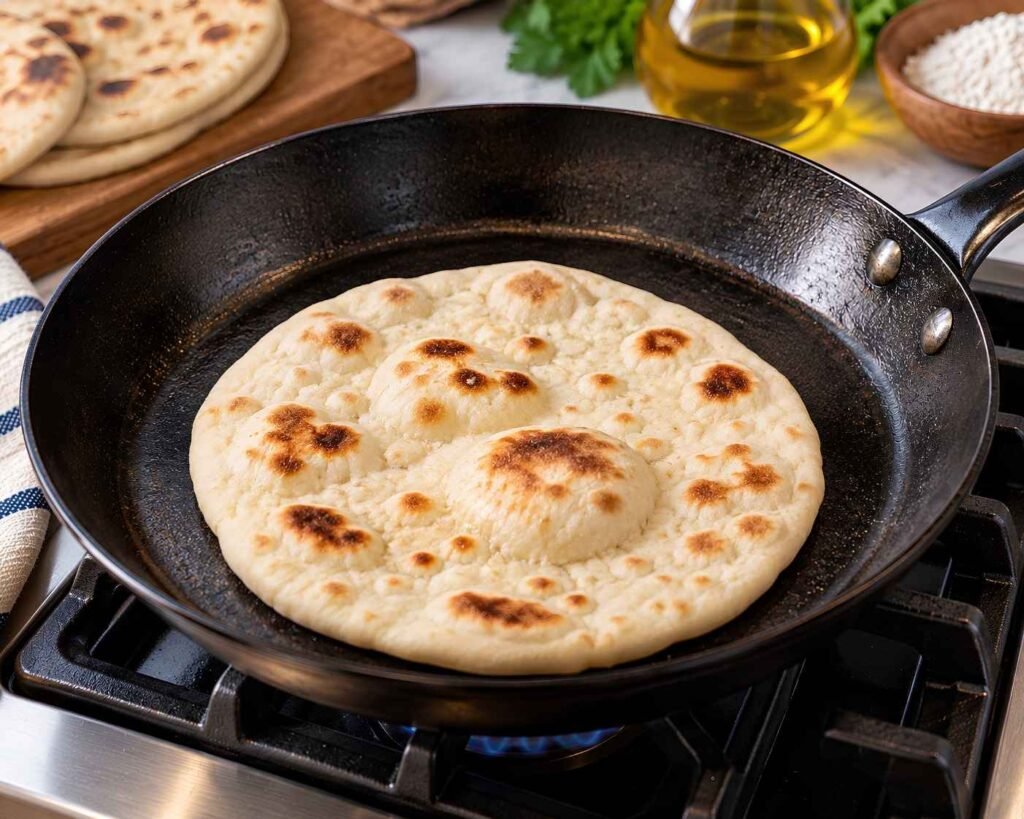
🔥 Hot Skillet Preheat 2–3 minutes | 🫧 Bubbles Watch the surface puff | 🥘 Flip Turn at golden spots | 🧺 Keep Soft Cover with a towel |
Step 8: Keep Them Soft
Transfer each cooked flatbread to a plate and immediately cover it with a clean kitchen towel.
Keeping the breads covered traps a little steam and helps them remain soft and flexible. For extra flavor, lightly brush the warm flatbreads with olive oil or melted butter and sprinkle with chopped parsley or cilantro.
Pro Tips for Soft Homemade Flatbread
- Use warm water so the dough comes together easily.
- Let the dough rest before rolling.
- Roll each piece to a similar thickness so they cook evenly.
- Preheat the skillet before cooking.
- Do not overcook the bread or it can become dry.
- Keep cooked flatbreads covered with a towel.
- For crispier edges, roll the dough thinner and lightly oil the skillet.
Common Mistakes to Avoid
Adding Too Much Flour
Extra flour can make the dough dry and the finished flatbread tough. Add only a small amount when needed.
Skipping the Rest Time
The dough may shrink while rolling if it has not had time to relax.
Using a Cold Skillet
A cool skillet can make the bread cook slowly and dry out before it develops good color.
Cooking Too Long
Flatbread should develop brown spots but still remain soft. Remove it once both sides are cooked and lightly blistered.
Rolling Too Thick
Very thick dough may stay raw in the center. Keep the rounds around 1/8 inch thick for even cooking.
Flatbread Variations to Try
🌿 Garlic Herb Garlic + fresh parsley | 🌾 Whole Wheat Replace half the flour | 🌶️ Buttery Herb butter + fresh herbs | 🍯 Sweet Cinnamon + honey |
Garlic and Herb Flatbread
Mix 1 minced garlic clove and 1 tablespoon chopped parsley into the dough, or brush cooked flatbreads with garlic butter before serving.
Whole Wheat Flatbread
Replace 1 cup of the all-purpose flour with whole wheat flour. You may need an extra tablespoon or two of water because whole wheat flour absorbs more liquid.
Spicy Flatbread
Add 1/2 teaspoon crushed red pepper flakes or a small pinch of chili powder to the dry ingredients.
Sweet Cinnamon Flatbread
Leave out the herbs and add 1 teaspoon cinnamon with 1 tablespoon honey to the dough. Serve warm with yogurt, fruit, or a light drizzle of honey.
Ways to Serve Flatbread
🥣 With Dips Hummus, tzatziki, or yogurt dip | 🌯 As a Wrap Fill with chicken, falafel, or vegetables | 🍲 With Curries Use it to scoop sauces, soups, and stews | 🍗 With Grilled Foods Serve with grilled chicken, kebabs, or vegetables |
Homemade flatbread works with many different meals.
With Dips
Serve warm flatbread with hummus, tzatziki, yogurt herb dip, garlic sauce, or tomato-based dips. The soft bread is easy to tear and use for scooping.
As a Wrap
Fill flatbread with grilled chicken, roasted vegetables, falafel, salad, or other fillings.
Keep the bread covered after cooking if you plan to use it as a wrap because softer bread folds more easily.
With Soups and Curries
Flatbread pairs well with creamy soups, lentil dishes, stews, and curries. Use it to soak up sauces and broth.
With Grilled Foods
Serve warm flatbread with grilled chicken, kebabs, roasted vegetables, or other savory dishes. The soft bread works well for scooping sauces or wrapping small pieces of food.
How to Store Flatbread
🏠 Room Temperature Airtight container Up to 2 days | ❄️ Refrigerator Keep tightly covered Up to 4 days | 🧊 Freezer Separate with parchment Up to 2 months |
Room Temperature
Allow the flatbreads to cool completely, then place them in an airtight bag or container. Store at room temperature for up to 2 days.
Refrigerator
You can refrigerate them for up to 4 days, although the bread may become slightly firmer when cold. Warm it briefly before serving.
Freezer
Place pieces of parchment paper between the flatbreads and transfer them to a freezer-safe bag. Freeze for up to 2 months.
Thaw at room temperature or reheat directly from frozen over low heat.
How to Reheat Flatbread
The skillet is one of the easiest ways to bring back the soft texture.
Heat each flatbread in a dry skillet for about 20 to 30 seconds per side.
You can also wrap several flatbreads in foil and warm them in a low oven until heated through.
Frequently Asked Questions
Can I Make Flatbread Without Yeast?
Yes. This recipe uses baking powder instead of yeast, so no long rising time is required.
Why Did My Flatbread Turn Out Hard?
The dough may have contained too much flour, or the bread may have cooked for too long. Keep the dough soft and remove each flatbread once brown spots appear.
Why Is My Dough Shrinking When I Roll It?
The dough probably needs more rest. Cover it and let it sit for another 5 to 10 minutes before rolling again.
Can I Use Whole Wheat Flour?
Yes. For the easiest texture, replace half of the all-purpose flour with whole wheat flour and adjust the water as needed.
Can I Cook Flatbread Without Oil?
Yes. A dry skillet works well and helps create soft flatbread with browned spots. A small amount of oil can be used if you prefer slightly crisper edges.
Can I Make the Dough Ahead of Time?
Yes. Prepare the dough, cover it tightly, and refrigerate it for up to 24 hours. Let it sit at room temperature for about 15 minutes before rolling.
Final Thoughts
These homemade Flatbread Recipes start with one simple no-yeast dough that cooks quickly in a skillet. The basic version is soft enough for wraps and dipping, while garlic, herbs, whole wheat flour, or a buttery herb finish make it easy to change the flavor.
The most important steps are to keep the dough soft, give it a short rest, and cook each flatbread in a properly heated skillet without leaving it on the heat too long. Serve the breads warm with dips, curries, grilled foods, or your favorite fillings.