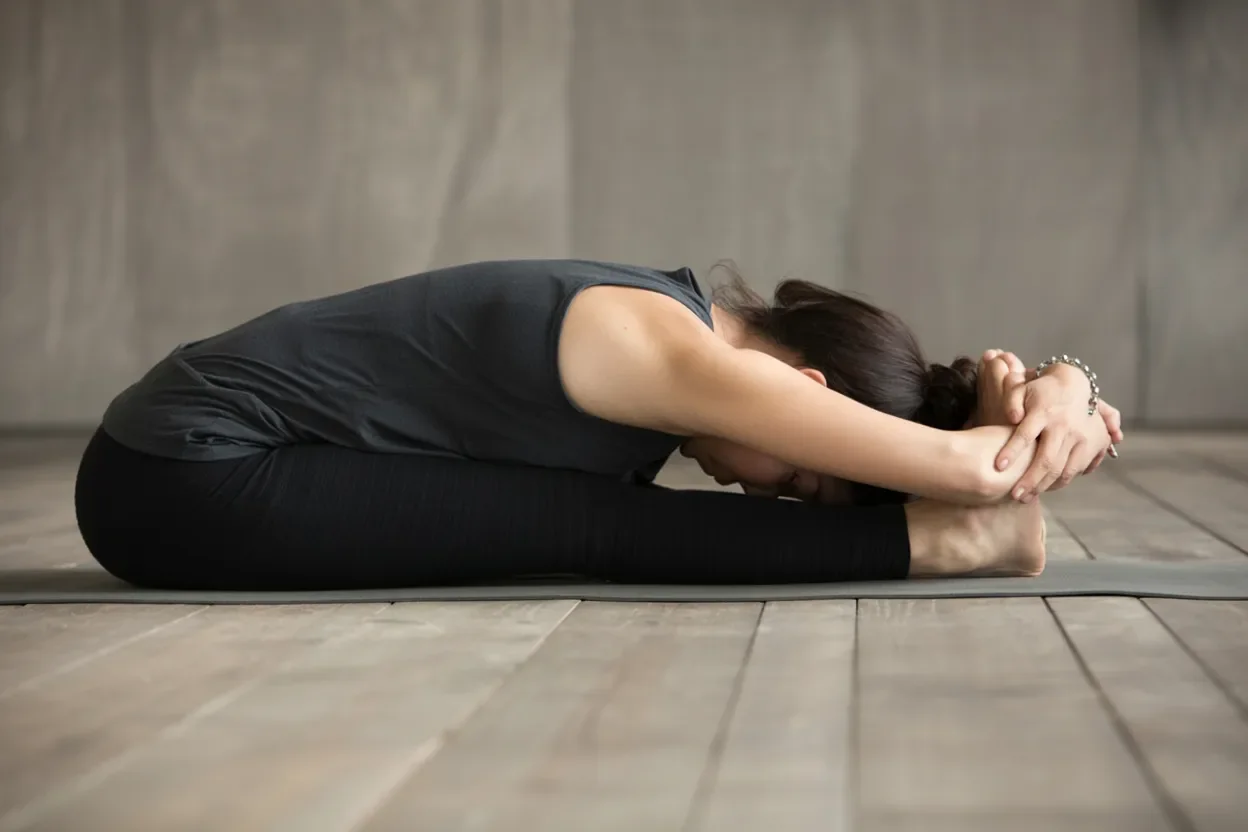
10 Hip Stretches for Flexibility Exercises
Tight hips are one of the most common causes of stiffness, poor posture, and lower back discomfort. Long hours of sitting, limited movement, and daily stress often cause the hip muscles to shorten and lose mobility. Over time, this can affect how you walk, sit, exercise, and even sleep.
Adding hip stretches for flexibility exercises into your routine can help restore natural movement, reduce tension, and support overall body balance. Flexible hips allow smoother motion, better posture, and improved performance in everyday activities and workouts.
This guide walks you through ten effective hip stretches designed to increase flexibility, release tight muscles, and promote long term joint health. Each stretch is simple, beginner friendly, and can be done at home with minimal space.
Why Hip Flexibility Matters
Hips connect your upper and lower body, making them a key movement center. When hip muscles become tight, they often pull on the lower back, knees, and pelvis, creating discomfort and restricted motion.
Improving hip flexibility helps:
- Reduce lower back pain and stiffness
- Improve posture and walking mechanics
- Increase comfort during sitting and standing
- Enhance performance in sports and workouts
- Support healthy joint alignment
Stretching the hips regularly encourages better circulation, muscle balance, and relaxation throughout the body.
How Often Should You Stretch Your Hips
For best results, hip stretches should be done at least four to five times per week. If you sit for long hours, gentle daily stretching can make a noticeable difference. Each stretch should be held with steady breathing, never forcing the movement.
Consistency matters more than intensity. Slow, controlled stretches help muscles lengthen safely and reduce the risk of strain.
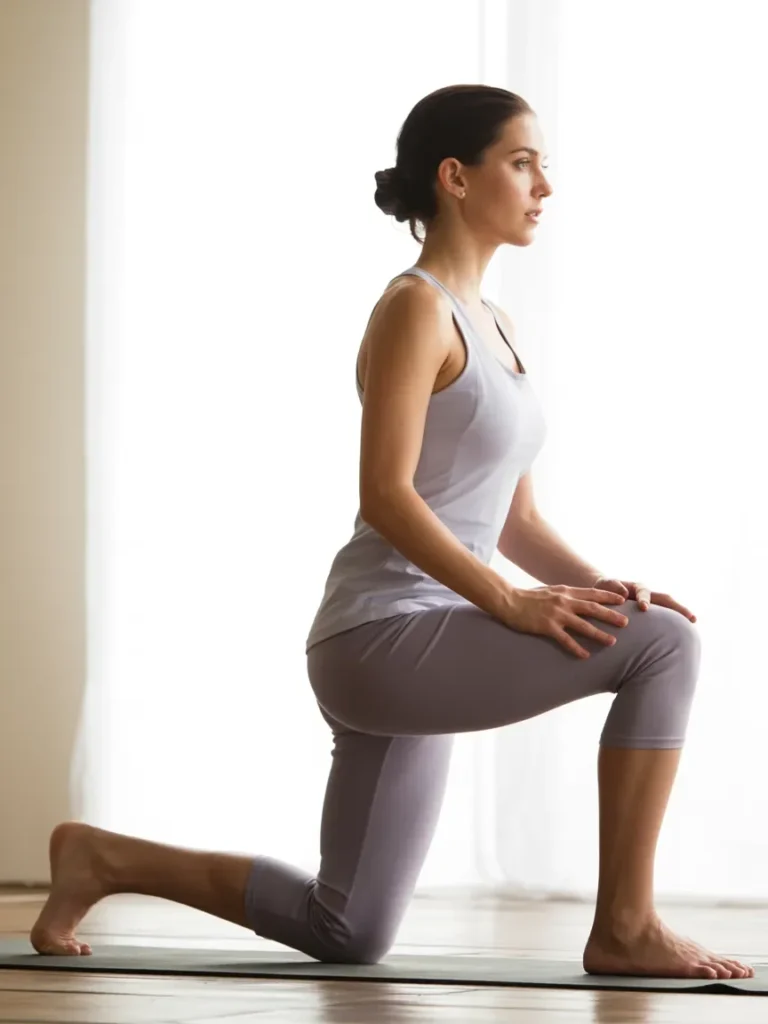
1. Kneeling Hip Flexor Stretch
This image showcases a gentle kneeling hip stretch designed to improve hip flexibility and release tightness caused by prolonged sitting or limited movement. The calm posture and upright spine highlight how controlled positioning supports muscle lengthening while keeping the body stable and relaxed.
By placing one knee on the mat and stepping the opposite foot forward the hips slowly open without stressing the lower back or knees. Steady breathing and mindful alignment help activate supporting muscles that play a key role in balance posture and everyday mobility.
This stretch is commonly included in flexibility exercises because it supports smoother walking motion and reduces stiffness around the pelvic area. Regular practice can enhance circulation in the hip region and encourage greater freedom of movement during daily activities.
Suitable for beginners and experienced practitioners alike this pose can be adjusted based on comfort and range of motion. Adding it to a hip flexibility routine promotes long term joint health and a more relaxed body flow.
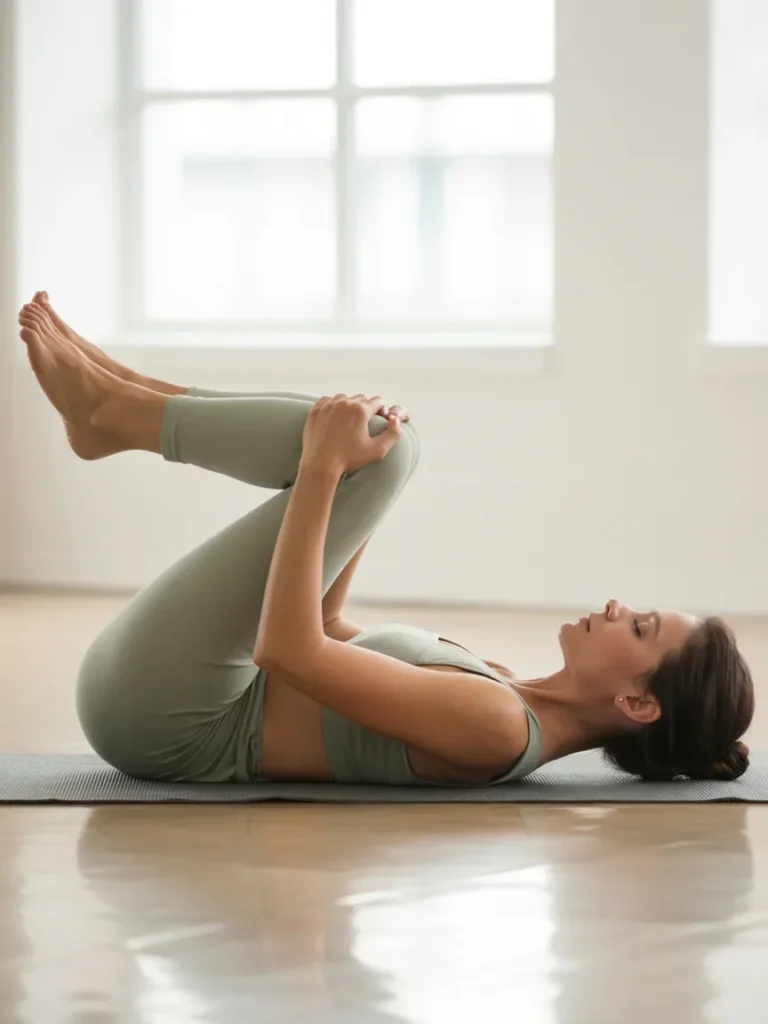
2. Supine Knee to Chest Stretch
This image highlights a calming hip stretch where the body rests on the mat while both knees are gently drawn toward the chest. The relaxed position supports hip flexibility exercises by easing tension in the lower back and surrounding muscles.
With the spine grounded and shoulders soft the hips can release without pressure or force. Slow breathing enhances the stretch allowing the joints to open gradually and comfortably over time.
This movement is often included in flexibility routines because it improves circulation around the hips and pelvis. Daily practice supports smoother motion during walking sitting and light exercise while reducing stiffness.
Beginners appreciate this stretch for its simplicity while experienced practitioners value its restorative effect. Adding it to a hip flexibility sequence encourages relaxation balance and better body awareness throughout the day.
3. Seated Forward Fold Stretch
This image shows a focused seated stretch where the spine lengthens as the hands reach toward the feet. The position supports hip flexibility exercises by gently opening the hips while calming the lower back and legs.
With controlled breathing the hips slowly soften and tension releases without strain or sudden movement. A steady posture helps improve circulation while encouraging better alignment through the pelvis and spine.
Many flexibility routines include this stretch because it improves hip range and supports daily movement. Regular practice can ease stiffness caused by long sitting and support smoother transitions in basic activities.
This stretch suits beginners due to its grounded position and controlled depth. Adding it to a hip flexibility sequence promotes balance body awareness and a calm focused mindset.
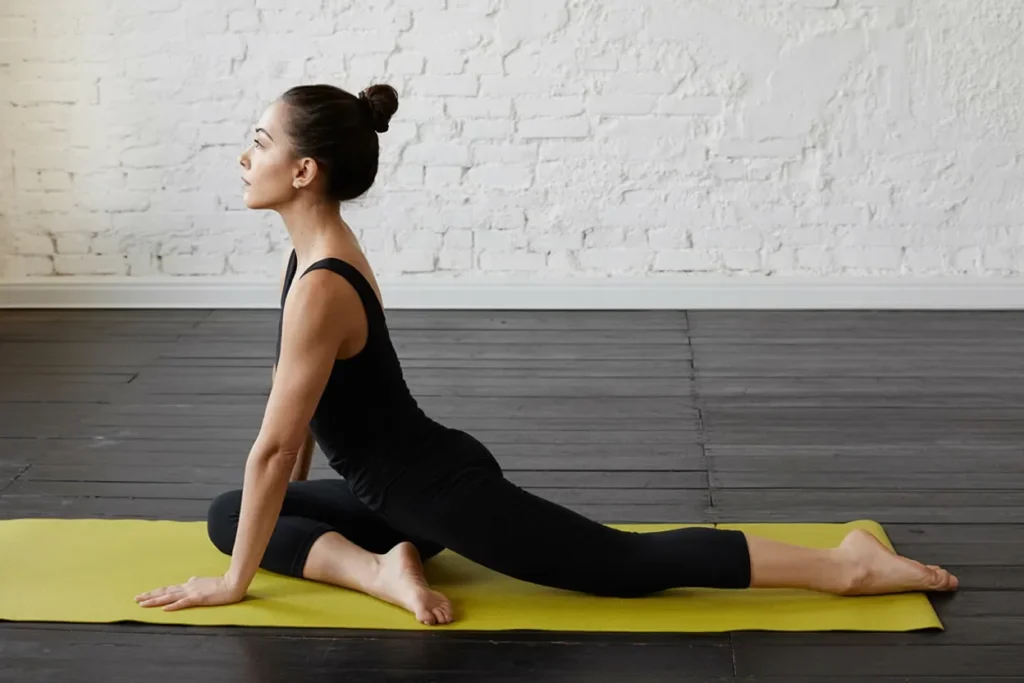
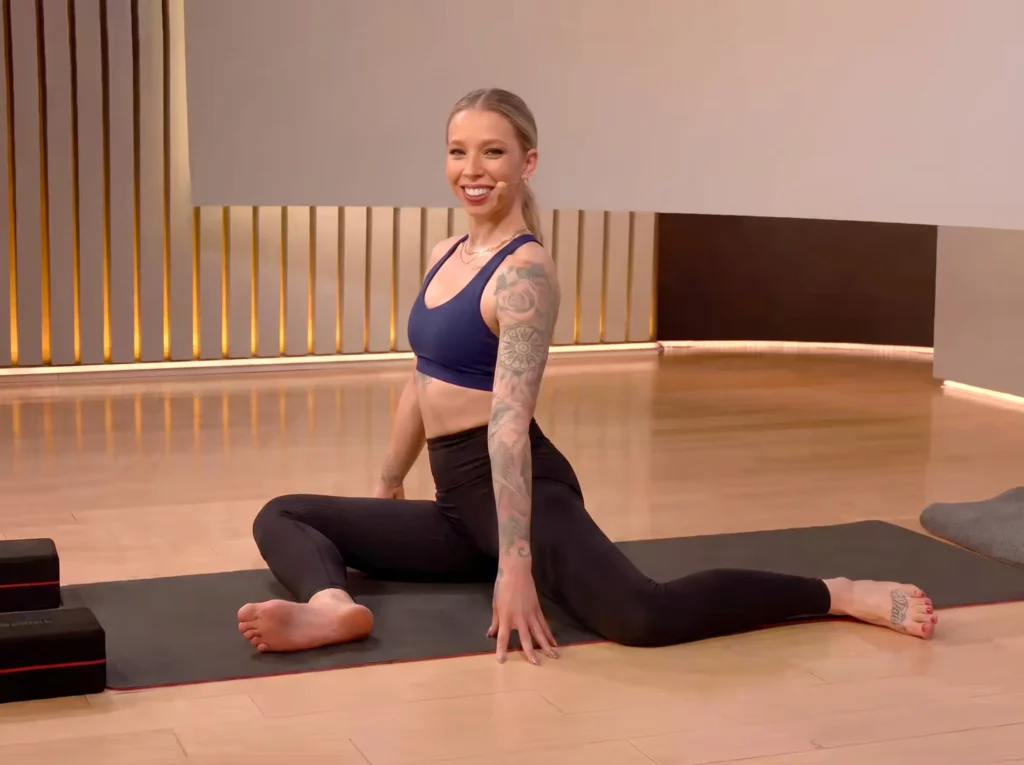
4. Pigeon Hip Opener
This image captures a deep hip stretch that focuses on opening the outer hips while keeping the spine tall and steady. The posture supports flexibility exercises by targeting tight areas that often store tension from sitting and daily movement.
Through slow breathing the hips begin to release as the front leg rests and the back leg lengthens with control. Strong arm support helps maintain balance while allowing the pelvis to settle naturally into the stretch.
Many flexibility routines include this pose because it improves hip mobility and supports smoother walking and bending. Consistent practice can reduce stiffness and improve comfort during workouts or long hours at a desk.
This stretch suits intermediate levels but can be adjusted with props for comfort and stability. Adding it to a hip flexibility sequence builds strength awareness and encourages calm focused movement.
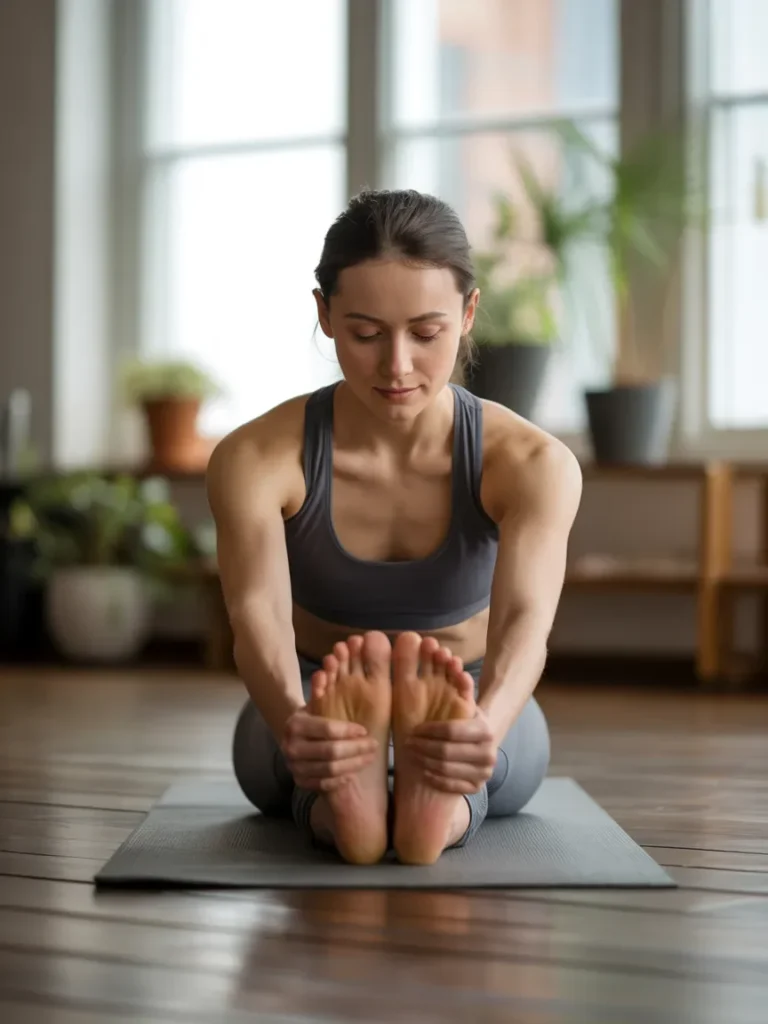
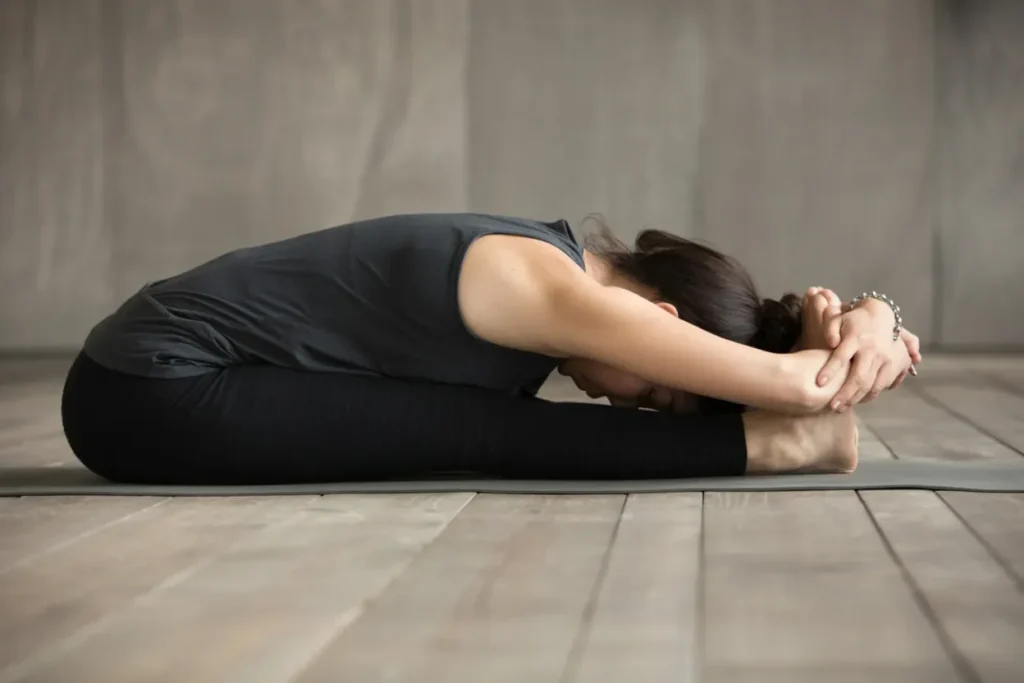
5. Seated Forward Hip Stretch
This image shows a seated forward stretch that gently lengthens the hips, hamstrings, and lower back through controlled movement. The folded posture encourages calm breathing while allowing the hip joints to relax and soften naturally over time.
As the torso leans forward, the hips experience a steady release that supports flexibility exercises for daily mobility. Hands reaching toward the feet help maintain alignment while promoting mindful body awareness during the stretch.
Many people include this movement in flexibility routines to ease tight hips caused by prolonged sitting or limited activity. Regular practice supports smoother motion in walking, bending, and low impact workouts.
This stretch suits beginners and advanced practitioners when performed with patience and steady breathing. Adding it to a hip flexibility sequence helps improve comfort, balance, and overall movement quality.
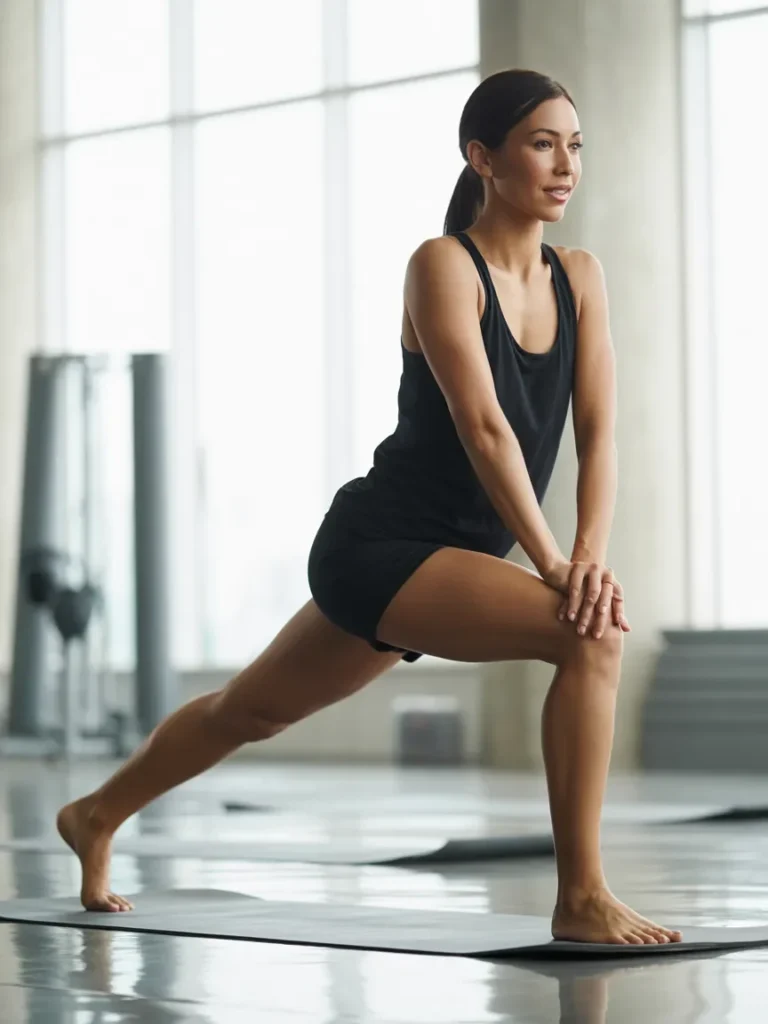
6. Low Lunge Hip Stretch
This image captures a low lunge position that actively opens the hip flexors while building steady balance and control. The upright posture keeps the spine tall, allowing the hips to sink gently without placing strain on the lower back.
Through this movement, the front hip experiences a deep yet controlled stretch that supports flexibility exercises. At the same time, the extended back leg encourages better range of motion and improved joint awareness.
Many people practice this stretch to counter tight hips caused by long hours of sitting or limited mobility. Slow breathing in this position helps the body relax while improving circulation around the hip area.
This stretch fits well into warm up routines, yoga flows, or post workout recovery sessions. Regular practice supports smoother movement, stronger posture, and greater ease during everyday activities.
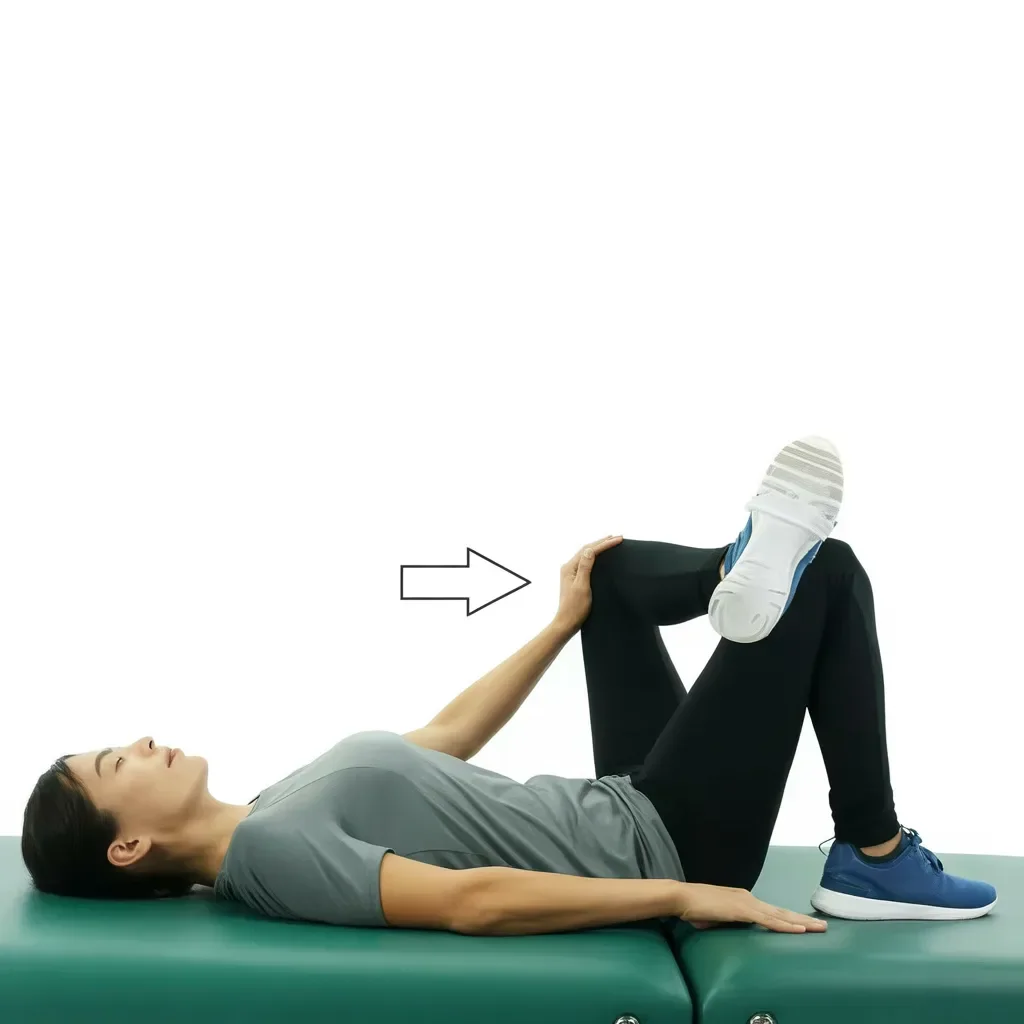
7. Figure Four Hip Stretch
This image shows the figure four hip stretch, a widely used move in flexibility exercises that focuses on the hips and glute muscles. Lying flat on the mat keeps the spine supported while one ankle rests gently over the opposite knee.
By slowly drawing the bent leg closer, the stretch reaches deep into tight hip areas without adding strain. Calm breathing during this position helps the body relax and allows the muscles to release stored tension.
Many people include this stretch to improve hip mobility after long sitting hours or intense workouts. The grounded posture makes it suitable for beginners while still offering noticeable flexibility benefits.
With consistent practice, this movement supports smoother hip rotation and better lower body alignment. Over time, the hips feel more open, balanced, and ready for daily movement or exercise routines.
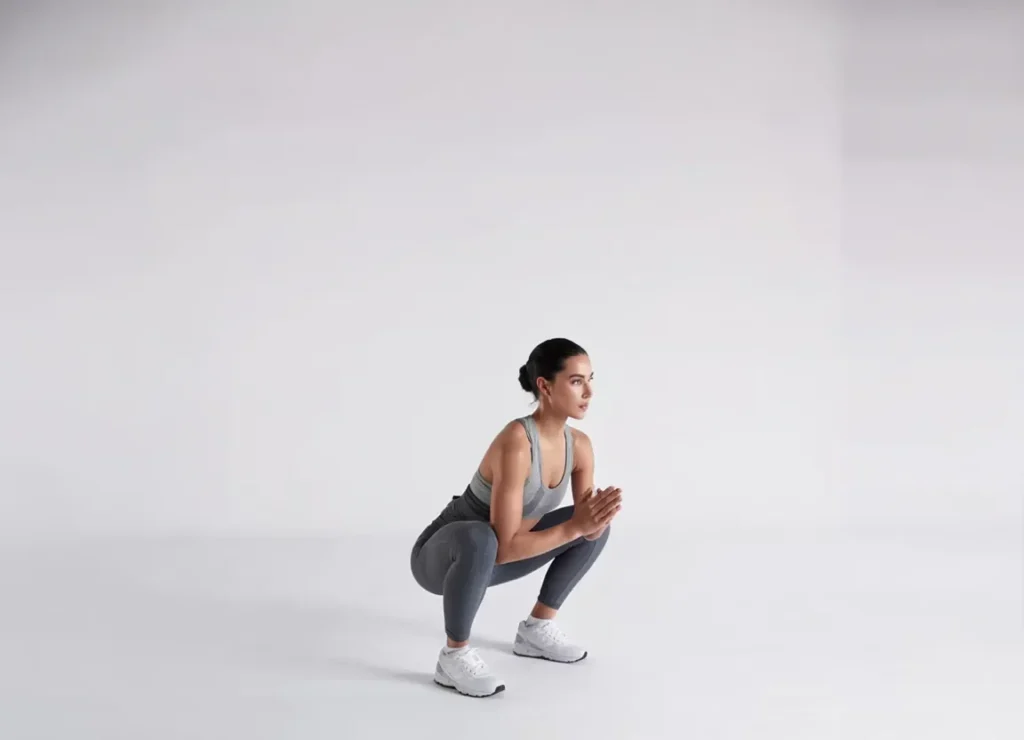
8. Deep Squat Hip Opener
A deep squat like this creates space in the hips while encouraging natural movement through the knees and ankles. The upright chest and grounded feet help activate the hip joints, making this stretch feel steady and controlled rather than forced.
By lowering the body close to the floor, the hips move through a full range that many people miss in daily routines. This position supports flexibility while also building awareness of balance, posture, and breath during slow holds.
Strong legs support the pose, but the real focus stays on releasing tension around the hip flexors and inner thighs. With calm breathing, the stretch gradually eases stiffness that often comes from long sitting or limited movement.
Used regularly, this exercise fits naturally into a flexibility routine focused on hip mobility and joint comfort. It works well as part of warm ups or cool downs, especially for those seeking smoother movement and better lower body control.
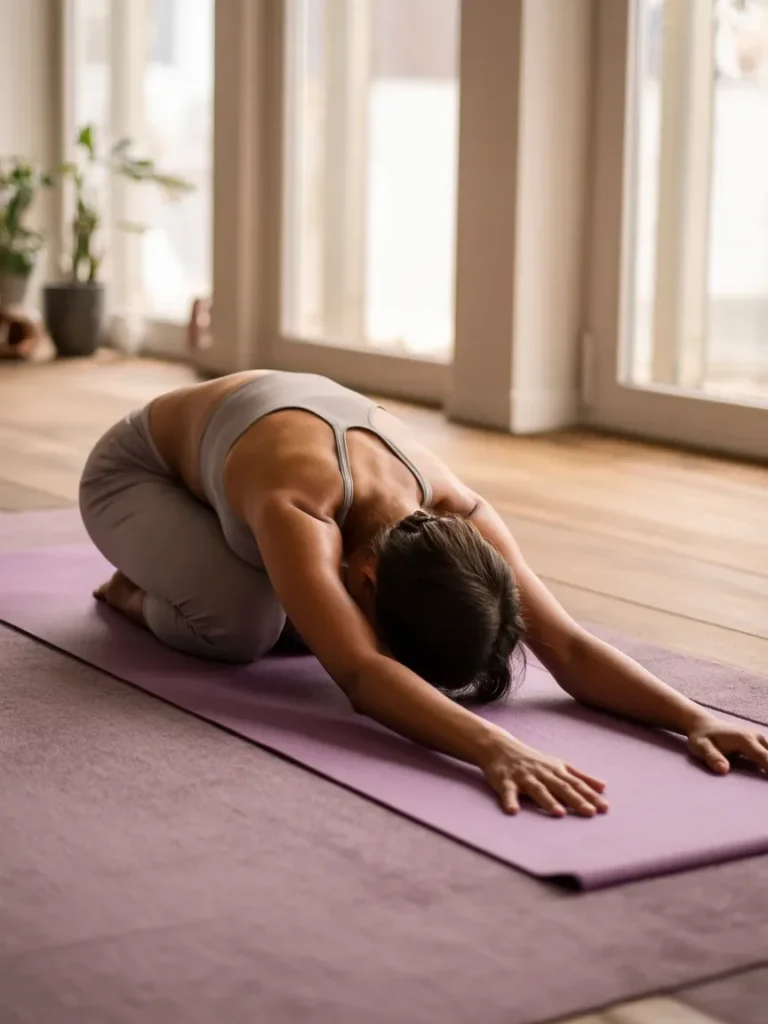
9. Wide Child’s Pose Stretch
Lowering the hips toward the heels creates a gentle opening through the hips while the spine relaxes forward. The extended arms lengthen the back, allowing the body to soften into the mat with steady and calm breathing.
This position encourages the hip joints to release tension built from long sitting or repetitive movement. By staying close to the floor, the stretch feels grounding and supports flexibility without placing stress on the knees.
As the hips sink deeper, the inner thighs and lower back begin to ease naturally over time. Slow breaths guide the stretch, helping the body settle while improving overall hip mobility and comfort.
Often used in flexibility routines, this exercise works well for recovery days or gentle warm ups. Regular practice supports smoother movement, relaxed posture, and a balanced connection between hips and spine.
10. Wide Child’s Pose Stretch
Lowering the hips toward the heels creates a gentle opening through the hips while the spine relaxes forward. The extended arms lengthen the back, allowing the body to soften into the mat with steady and calm breathing.
This position encourages the hip joints to release tension built from long sitting or repetitive movement. By staying close to the floor, the stretch feels grounding and supports flexibility without placing stress on the knees.
As the hips sink deeper, the inner thighs and lower back begin to ease naturally over time. Slow breaths guide the stretch, helping the body settle while improving overall hip mobility and comfort.
Often used in flexibility routines, this exercise works well for recovery days or gentle warm ups. Regular practice supports smoother movement, relaxed posture, and a balanced connection between hips and spine.
Tips for Safe and Effective Hip Stretching
Stretching should feel comfortable and controlled. Avoid bouncing or forcing your body into deep positions too quickly.
Helpful tips include:
- Warm up with light movement before stretching
- Breathe slowly and deeply during each stretch
- Stop if you feel sharp pain or discomfort
- Hold each stretch for at least twenty to thirty seconds
- Focus on consistency rather than intensity
Listening to your body ensures long term benefits without injury.
Common Mistakes to Avoid
Many people rush through stretches or ignore proper alignment. Slouching, holding breath, or pushing beyond comfort can reduce effectiveness and increase risk.
Staying mindful of posture and breathing helps muscles relax and lengthen naturally. Stretching should feel supportive, not stressful.
How Hip Flexibility Improves Daily Life
Flexible hips improve how you move throughout the day. Simple actions like standing up, climbing stairs, or walking feel easier when hip muscles are balanced and mobile.
Improved flexibility also supports better posture, reduces joint stress, and helps prevent muscle imbalances that lead to discomfort over time.
Creating a Simple Hip Stretch Routine
You can combine five to six of these stretches into a short routine lasting ten to fifteen minutes. Doing this regularly can lead to noticeable improvements in comfort and mobility.
A sample routine might include:
- Hip flexor stretch
- Butterfly stretch
- Figure four stretch
- Pigeon pose
- Supine hip rotation
- Child’s pose
Consistency is key to lasting results.
Final Thoughts
Hip stretches for flexibility exercises are essential for maintaining healthy movement and reducing stiffness caused by modern lifestyles. Tight hips affect posture, comfort, and overall mobility, but regular stretching can reverse these effects over time.
By practicing these ten hip stretches consistently, you support better balance, smoother movement, and long term joint health. Whether you are active or spend much of the day seated, flexible hips help your body move with ease and confidence.
Making hip stretching a regular habit is a simple step toward a more comfortable and mobile body.