21 Bedroom Trends to Avoid in 2026 (And What to Do Instead)
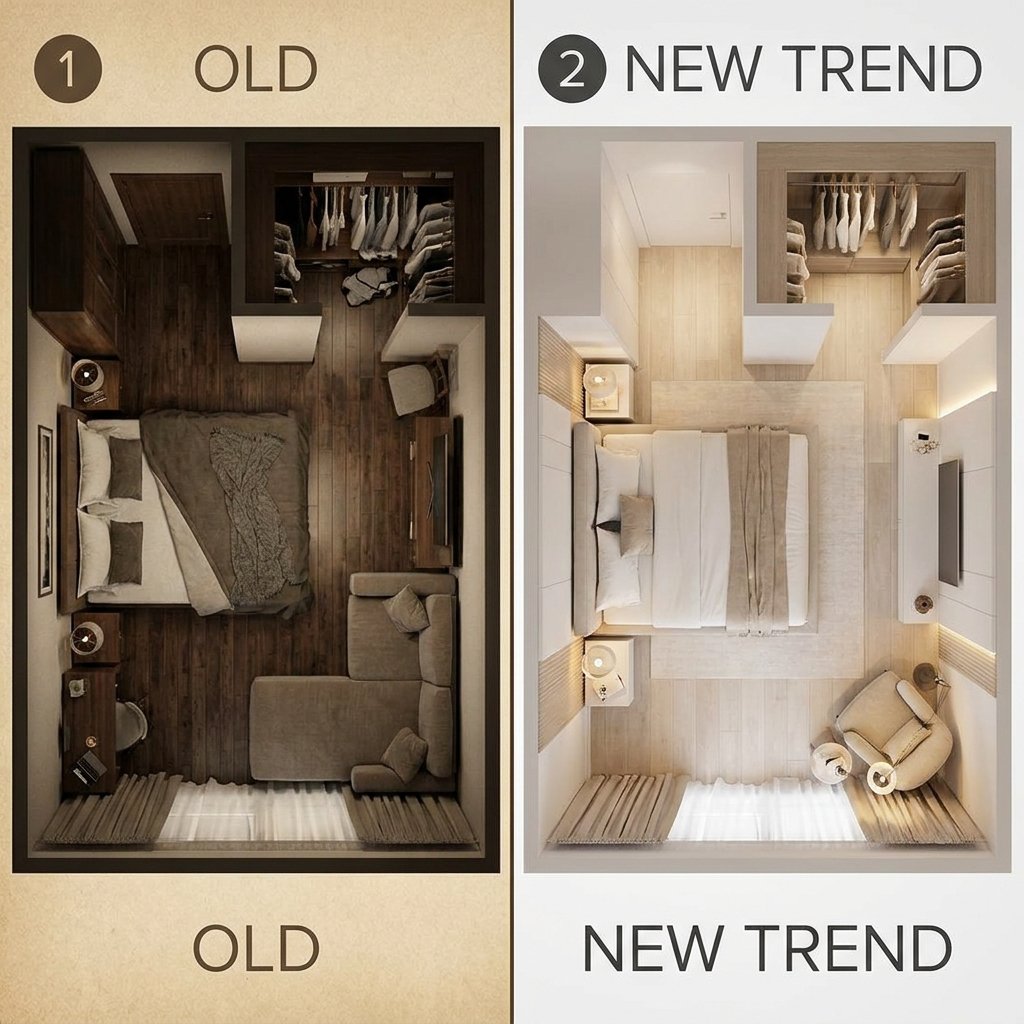
Interior design in 2026 is shifting away from cold, sterile, or overly showroom-like spaces, focusing instead on cozy, personal, and highly textured sanctuaries. Experts recommend creating bedrooms that feel curated, meaningful, and functional rather than generic or transiently trendy.
The outdated bedroom trends to leave behind span across color palettes, furniture styles, decor choices, and lighting layouts. Here is your complete guide to what to avoid and how to upgrade your space for a modern, sophisticated look.
Part 1: Color Palettes
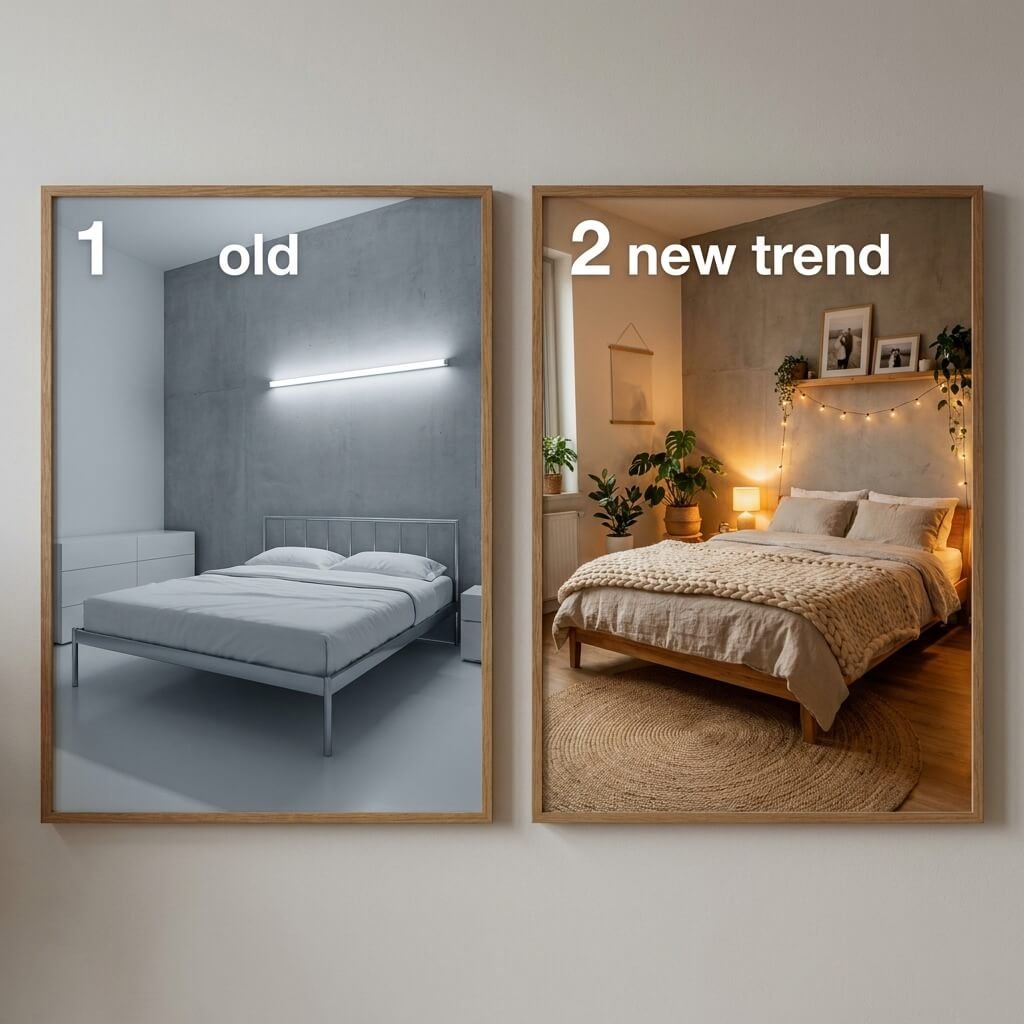
1. All-White and Gray Schemes
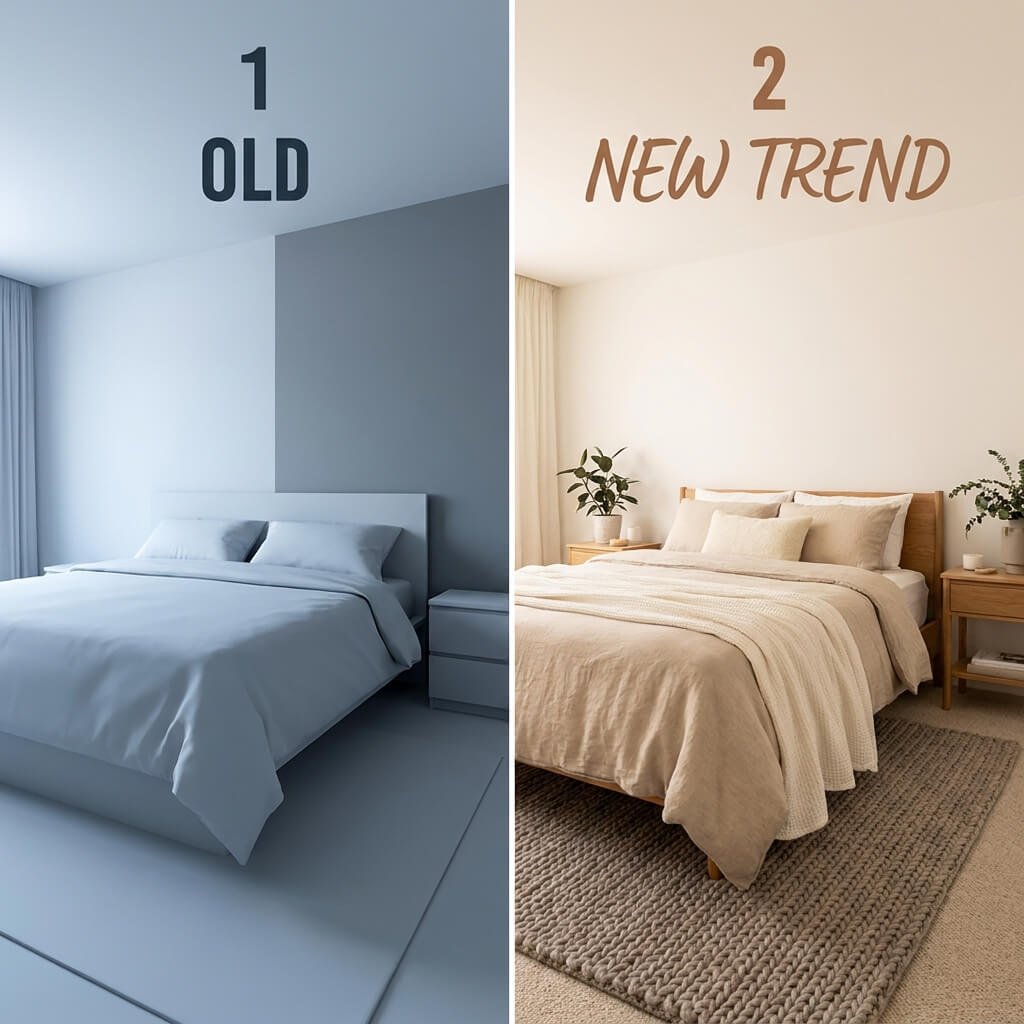
- The Problem: Monochromatic white or gray bedrooms can feel cold, uninspiring, and sterile over time, lacking the warmth needed for true relaxation and sleep.
- What to Do Instead: Incorporate warm neutrals, taupes, and earthy tones. Layer in texture through rugs, furniture, and textiles to keep the space inviting.
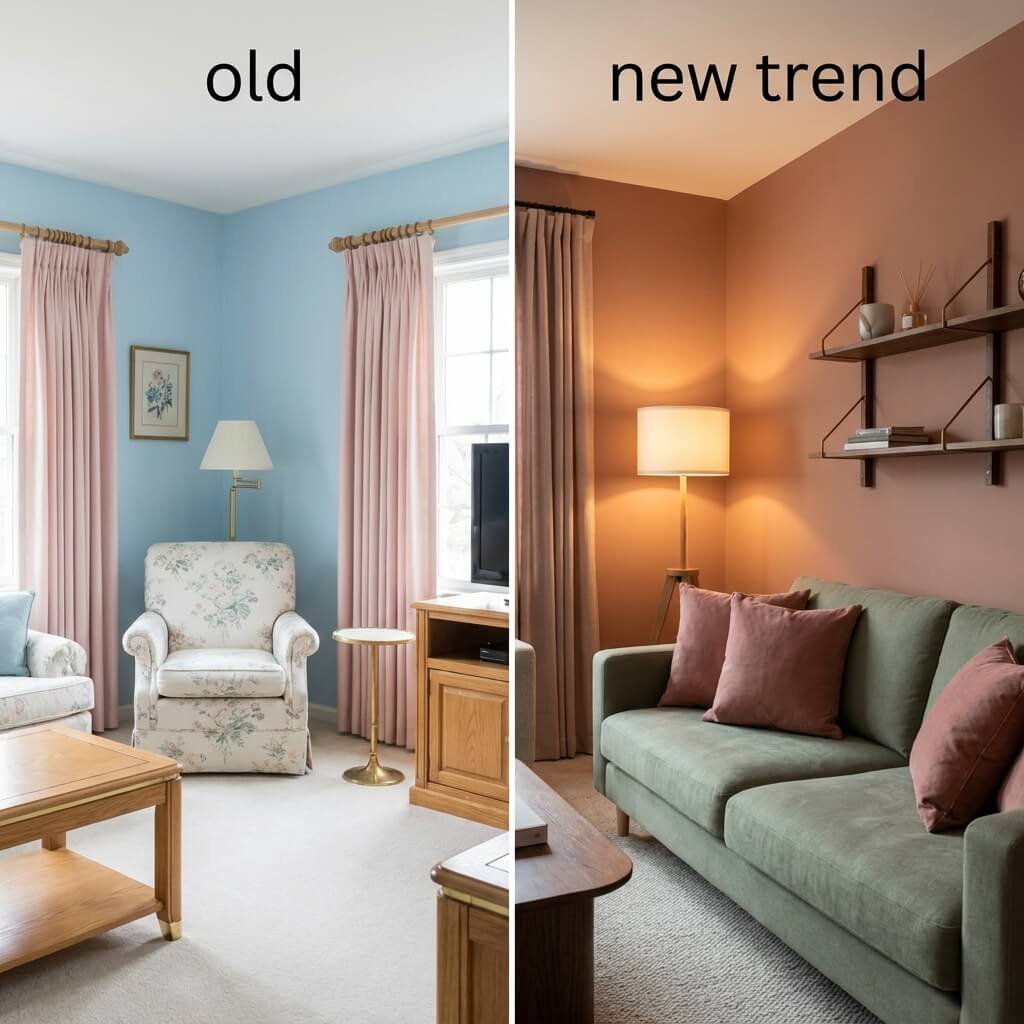
2. Clean Pastels
- The Problem: Baby blues and pale pinks can feel flat, dated, and overly simplified, often clashing with modern furniture choices.
- What to Do Instead: Choose muted, earthy pastel shades like terracotta, dusty rose, or soft sage to provide depth and a fresh, warm ambiance.
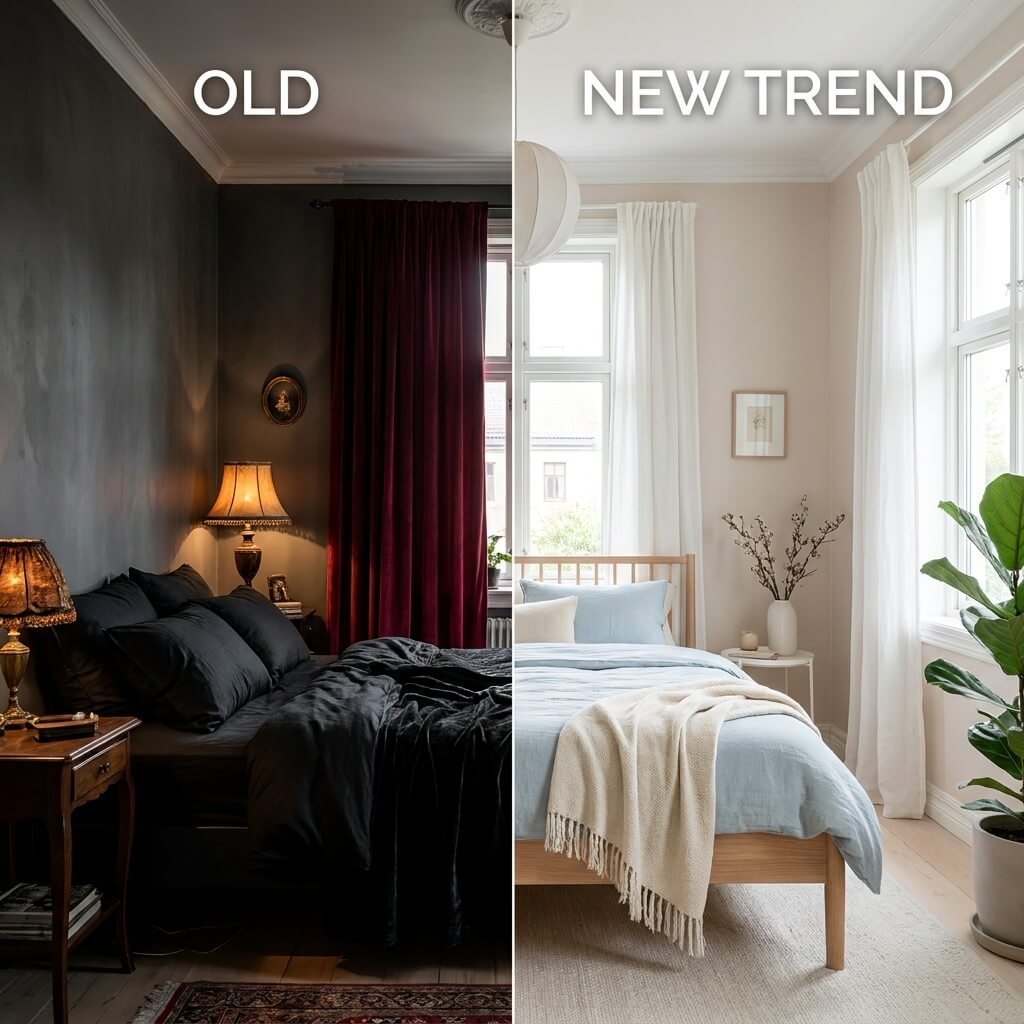
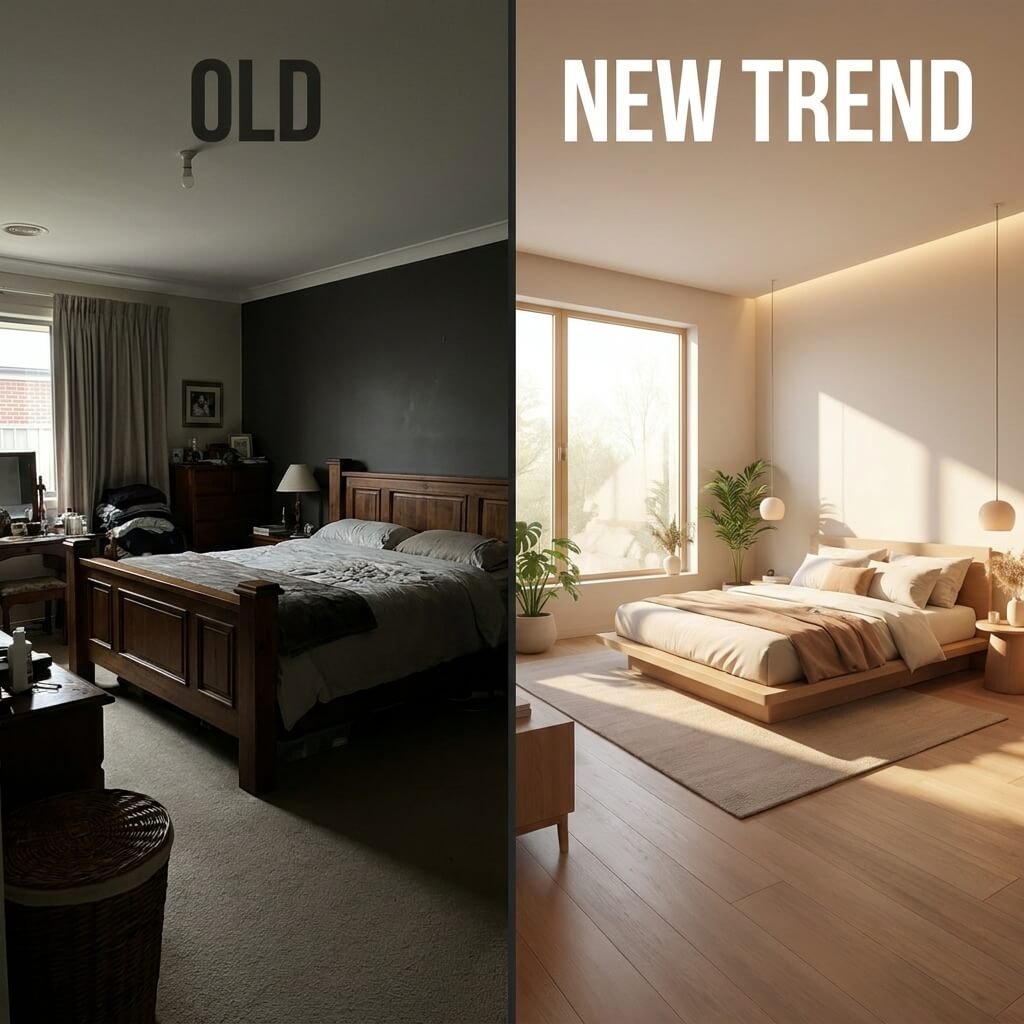
3. Overly Moody Colors
- The Problem: Dark grays, blacks, or deep jewel tones can overwhelm a room, creating a heavy, oppressive atmosphere that makes it difficult to unwind.
- What to Do Instead: Opt for light, bright, and restorative tones that keep the room airy, while introducing tactile fabrics for depth and comfort.
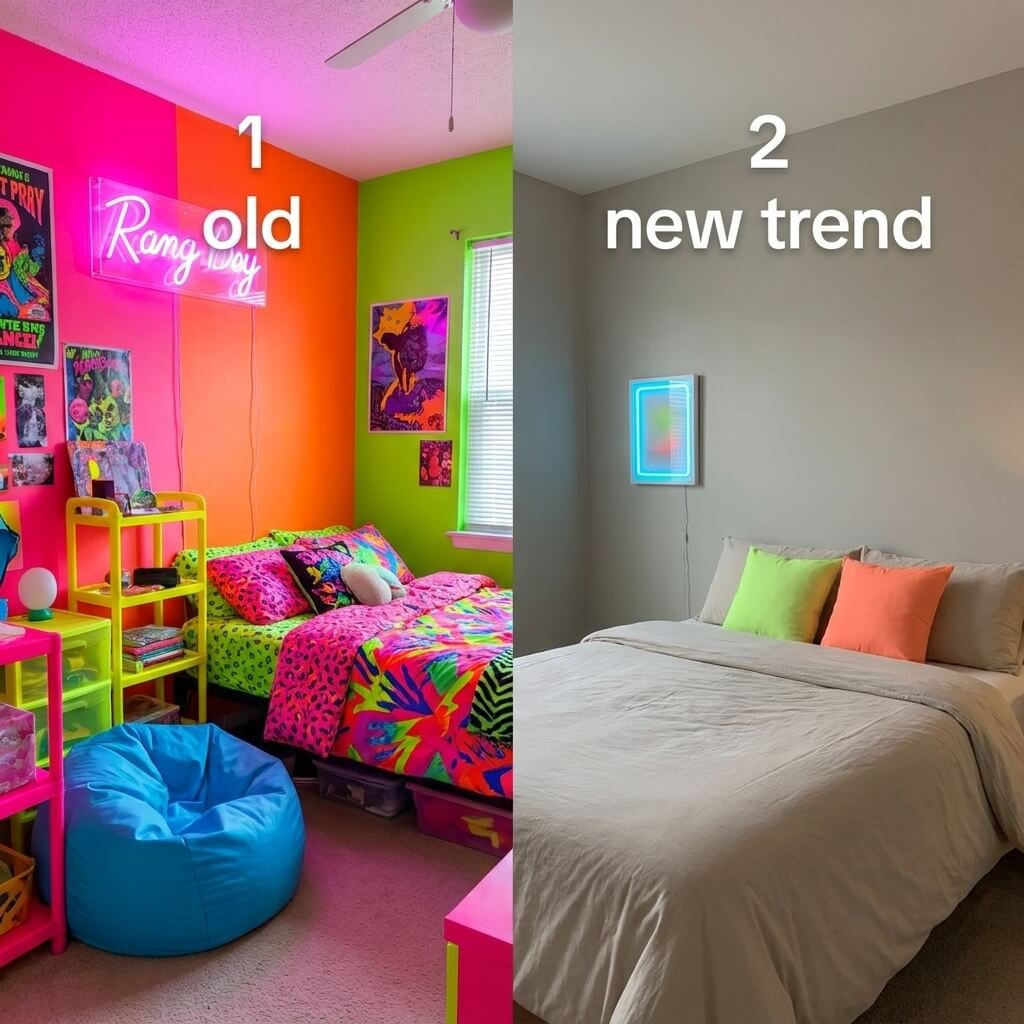
4. Bright Neon Walls
- The Problem: Intense neon shades strain the eyes, make relaxation difficult, and quickly look chaotic or dated.
- What to Do Instead: Use neon sparingly as a minor accent via throw pillows, small art pieces, or select decor items.
Part 2: Furniture Styles
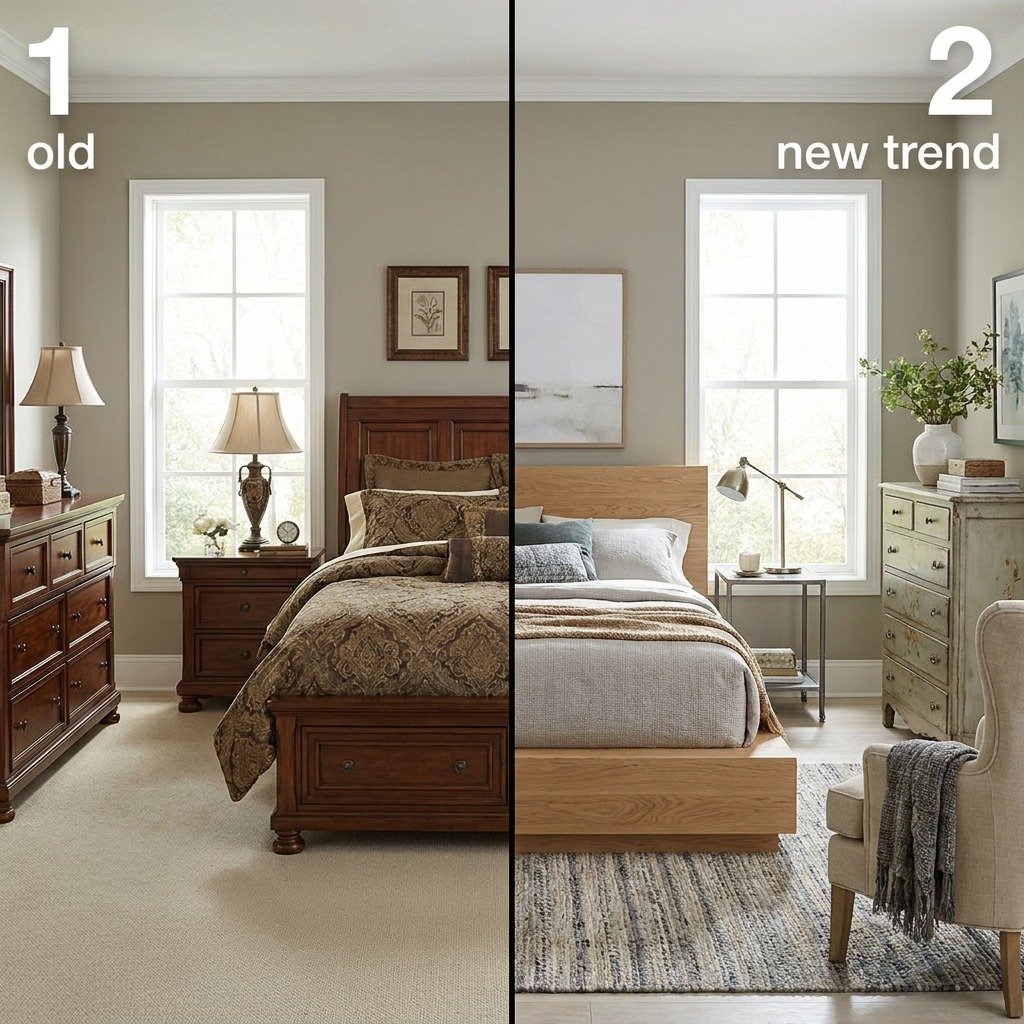
5. Matchy-Matchy Furniture Sets
- The Problem: Identical beds, dressers, and nightstands feel rigid, uninspired, and showroom-like rather than personal.
- What to Do Instead: Mix different wood finishes, vintage finds, and upholstered elements to establish a curated, timeless aesthetic.
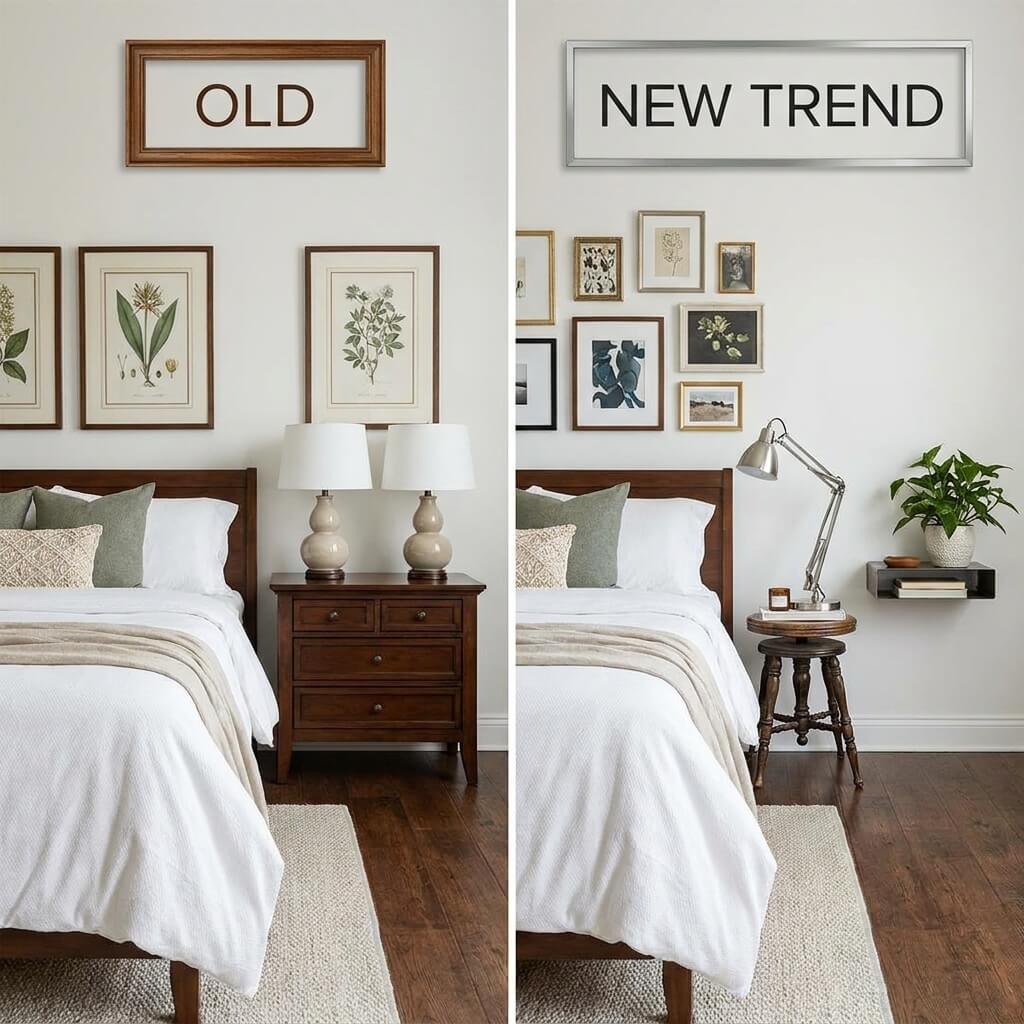
6. Strict Symmetry
- The Problem: Perfectly mirrored nightstands and lamps can feel formulaic and impersonal, limiting creative expression.
- What to Do Instead: Embrace asymmetry by varying your bedside lighting, artwork, or furniture placement for a more natural flow.
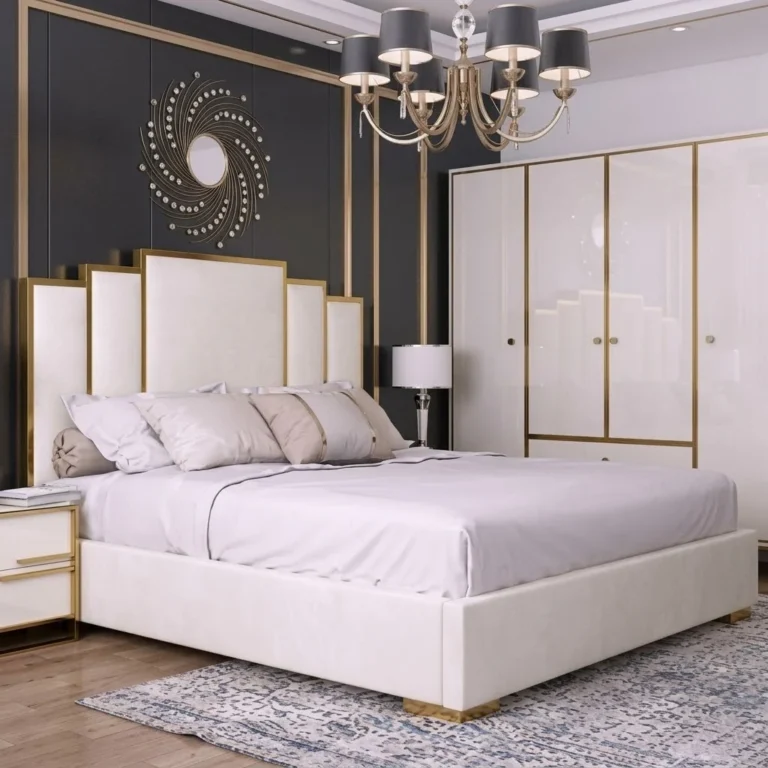
7. Boxy Furniture and Ultra-Glossy Finishes
- The Problem: Sharp edges and high-gloss surfaces reflect light harshly and feel institutional or cold.
- What to Do Instead: Select rounded headboards, organic curves, matte surfaces, and natural wood textures to soften the room visually.
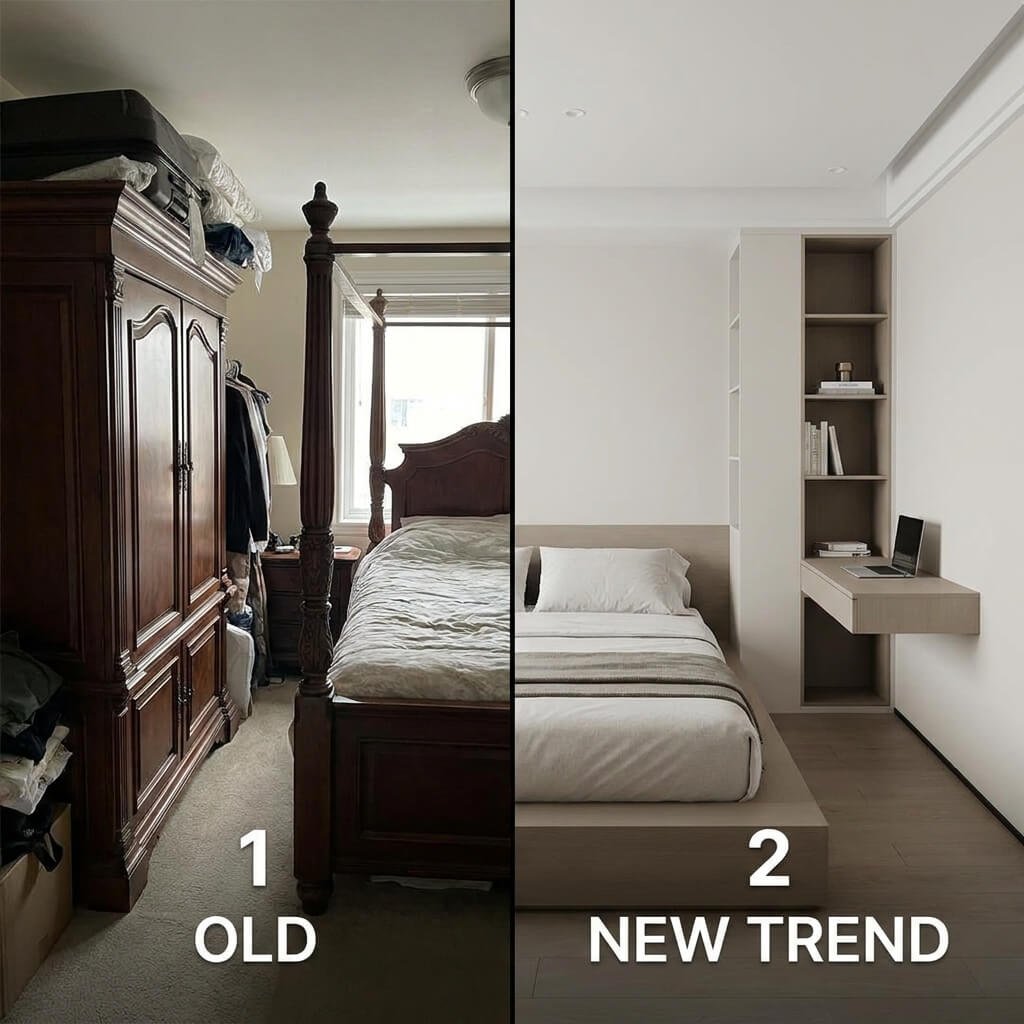
8. Oversized Furniture
- The Problem: Giant beds or bulky storage units overpower smaller spaces and restrict easy movement.
- What to Do Instead: Choose proportionate, streamlined furniture that maintains spatial balance while maximizing utility.
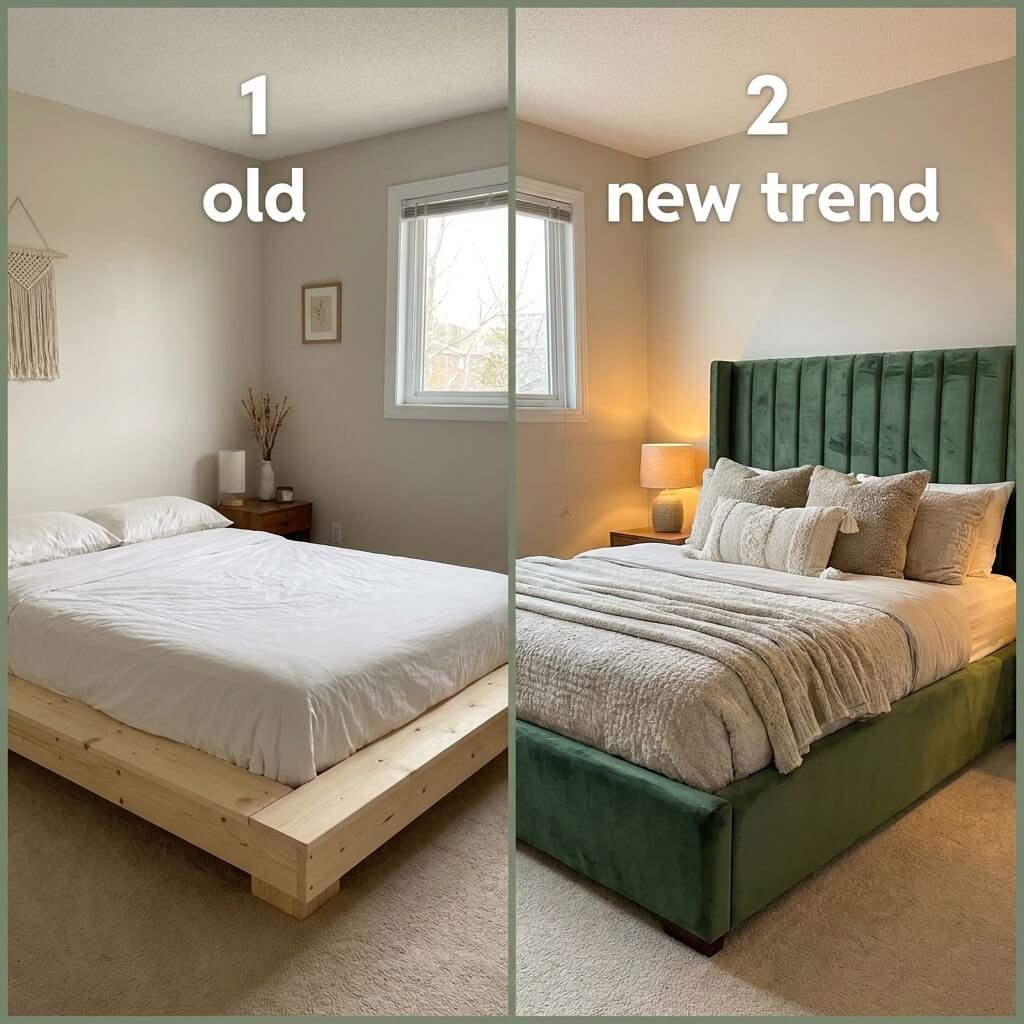
13. Basic Platform Beds
- The Problem: Low, unadorned wooden platform frames lack character and often appear unfinished or dull.
- What to Do Instead: Invest in statement headboards, fully upholstered frames, or subtle canopy designs to anchor the room.
Part 3: Decor and Bedding
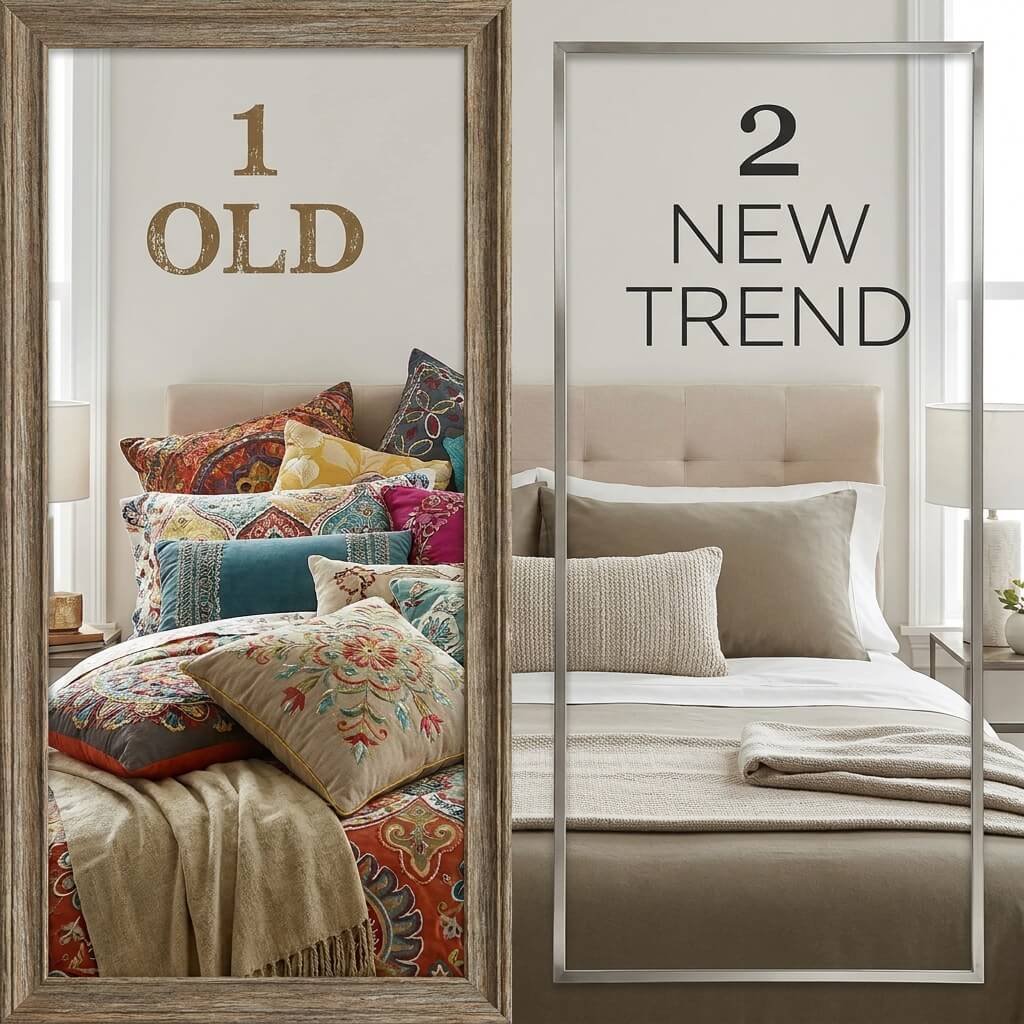
9. Too Many Decorative Throw Pillows
- The Problem: Mountains of decorative pillows clutter the space and prove impractical for everyday living.
- What to Do Instead: Keep only the pillows you actually use, complemented by a couple of well-chosen statement cushions.
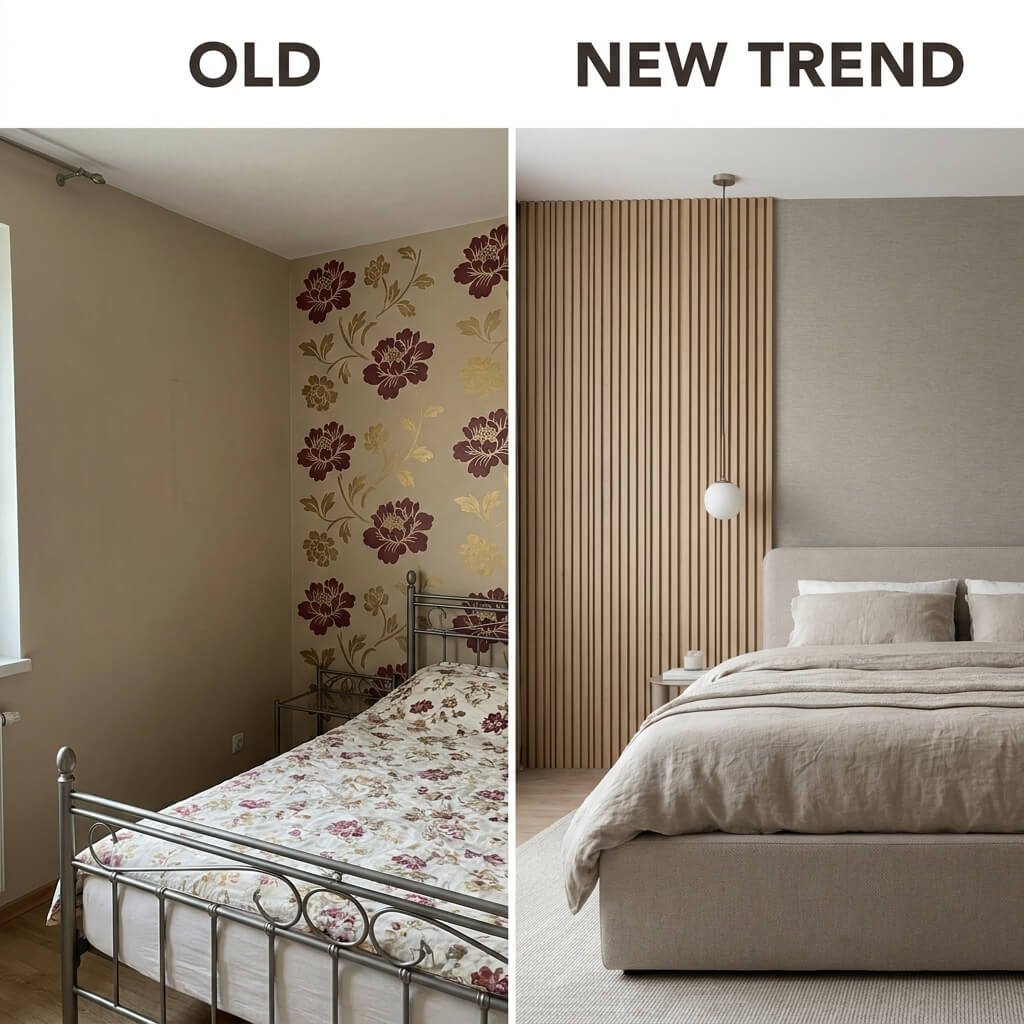
10. Strictly Painted Walls and Overdone Accent Walls
- The Problem: Flat walls or heavily stenciled feature walls lack dimension and date rapidly.
- What to Do Instead: Introduce textured wallpaper, vertical wood paneling, or cohesive tonal color strategies.
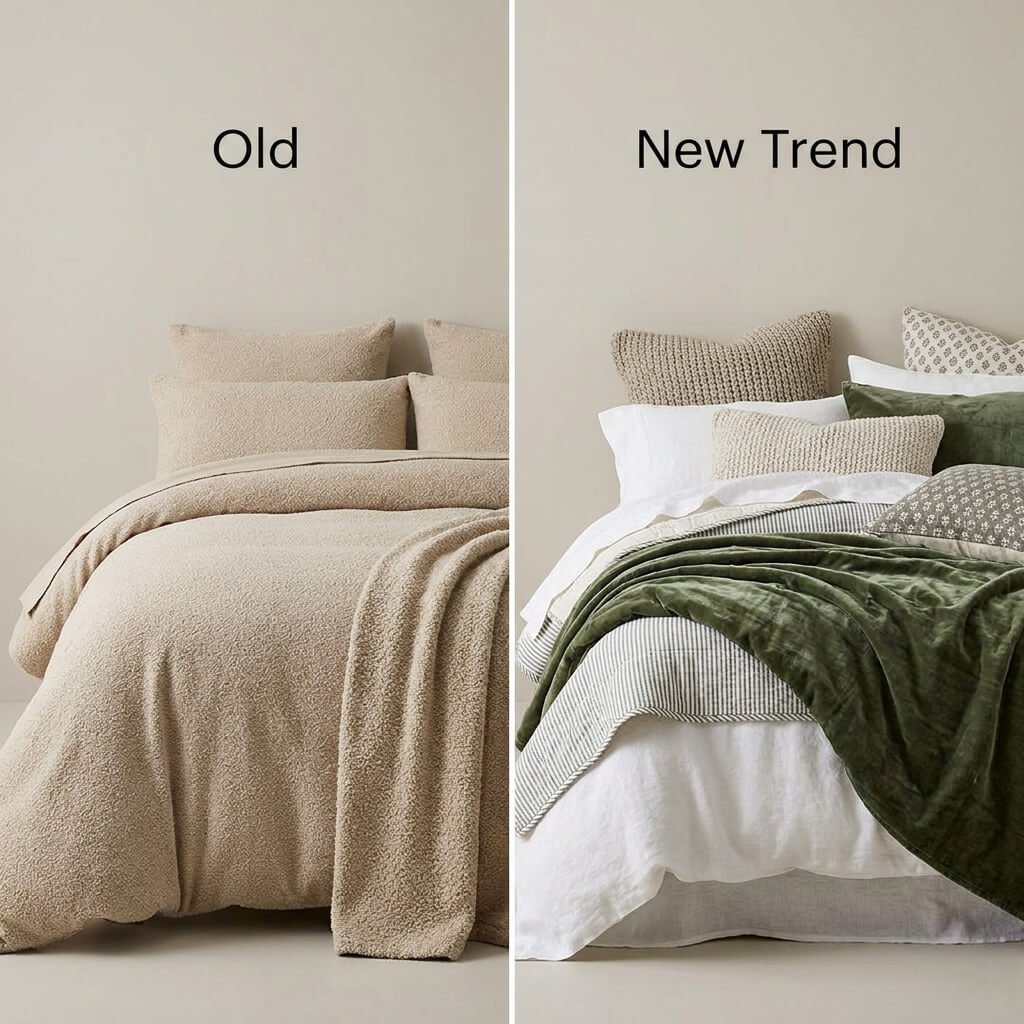
11. Matchy-Matchy Bedding and Bouclé Overload
- The Problem: Monotonous sheets or an excess of heavy bouclé fabric can feel flat, monotonous, or difficult to maintain.
- What to Do Instead: Layer different fabrics—mix stripes, solids, crisp linens, rich velvets, and soft knits for a dynamic, lived-in feel.
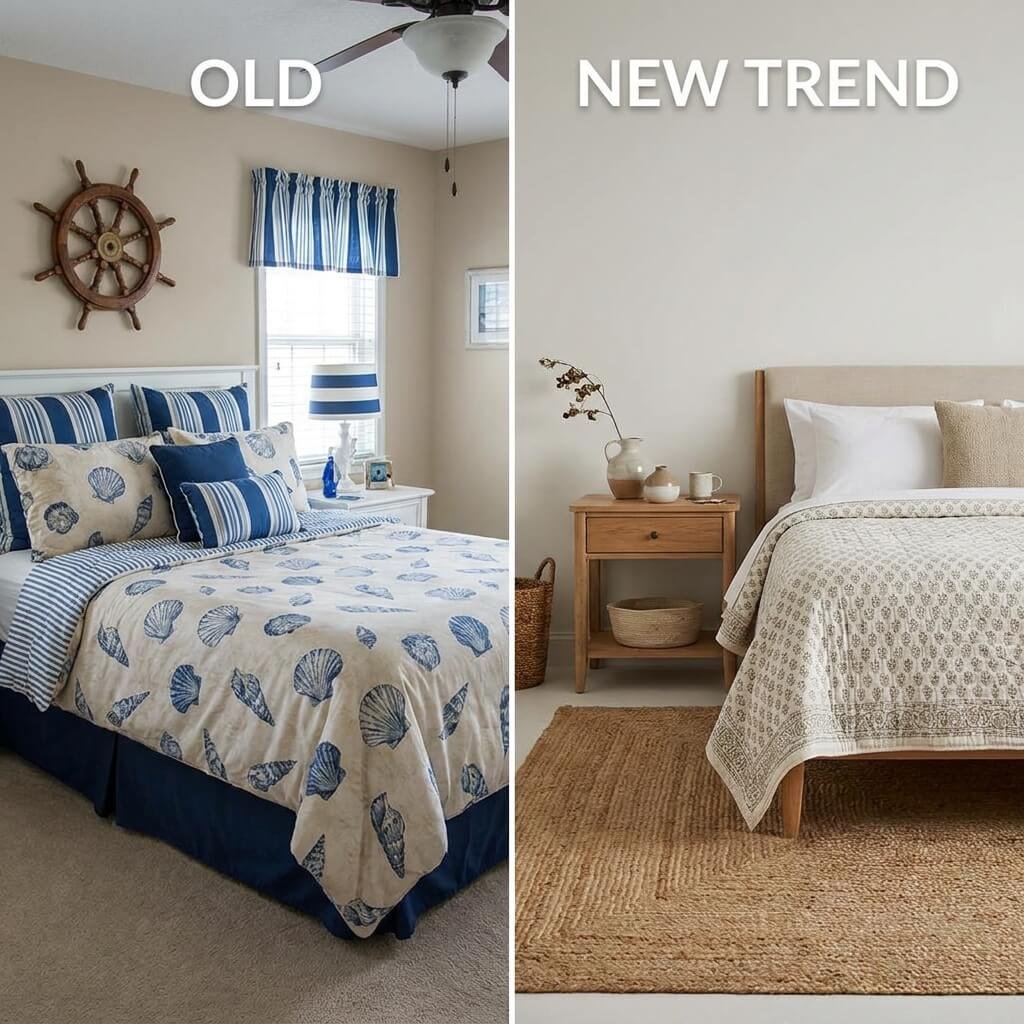
12. Overly Specific Themes
- The Problem: Rigidly themed spaces like forced coastal or farmhouse looks feel artificial and lose relevance fast.
- What to Do Instead: Hint at your preferred aesthetic naturally using jute area rugs, subtle block-printed textiles, or handcrafted accessories.
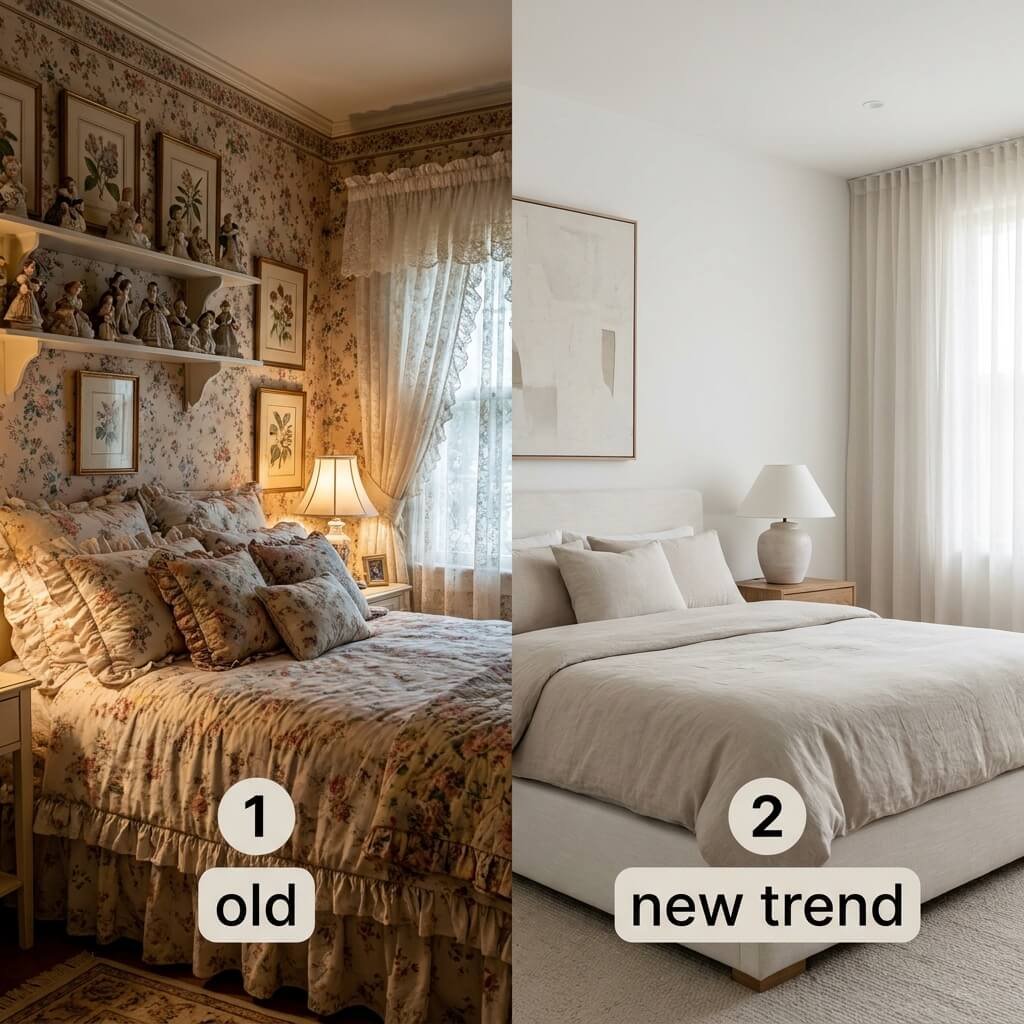
14. Grandmillennial Overload
- The Problem: Cluttered, ultra-frilly cottage decor creates a busy environment that detracts from rest.
- What to Do Instead: Lean toward quiet luxury and minimal accents that balance personality with peaceful simplicity.
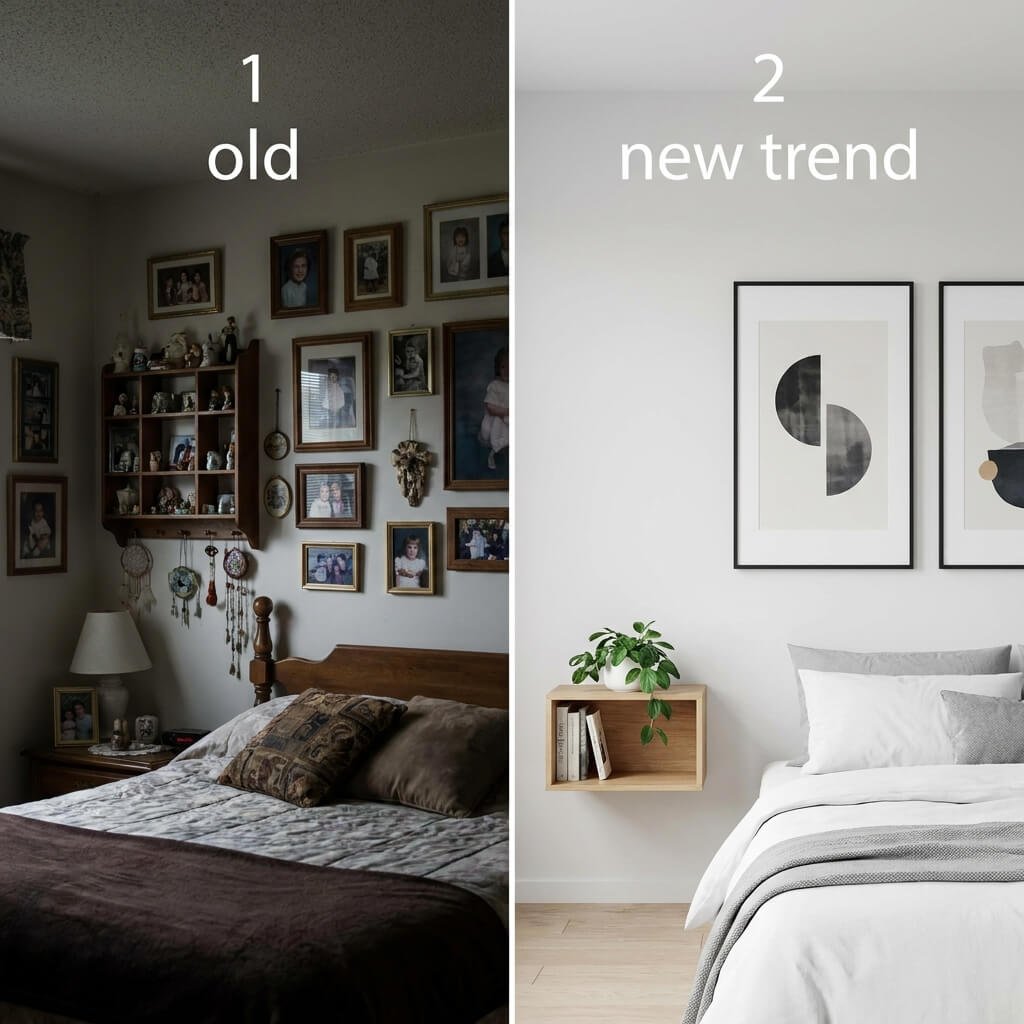
15. Overcrowded Wall Decor
- The Problem: Too many pictures, shelves, or hangings create visual chaos and cramp the room.
- What to Do Instead: Place wall hangings thoughtfully and sparingly to preserve a sense of openness and calm.
Part 4: Lighting and Layout
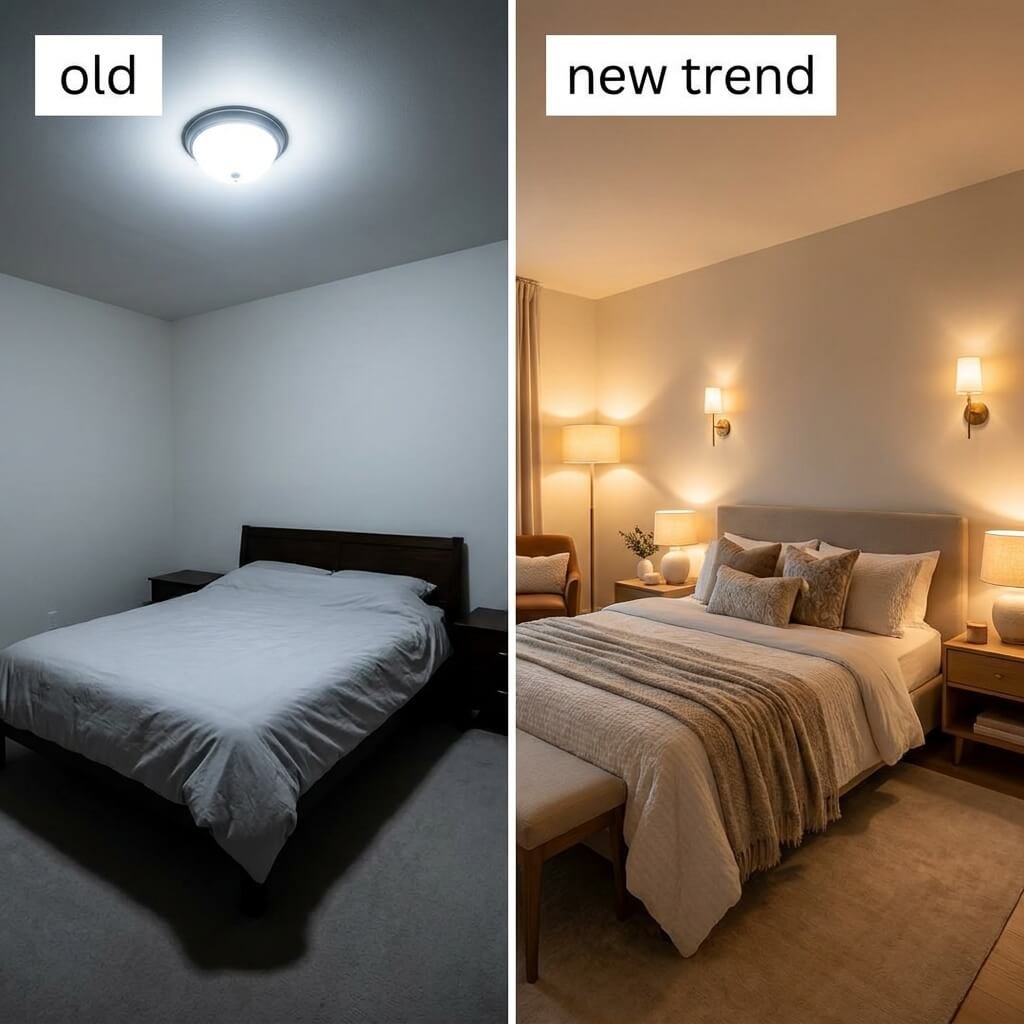
16. Overhead Lighting Only
- The Problem: Relying on a single central fixture casts harsh shadows and feels sterile.
- What to Do Instead: Layer your lighting scheme using floor lamps, wall sconces, and soft bedside lamps to build cozy warmth.
17. Bed Facing North
- The Problem: Rigid placement philosophies can disrupt the natural flow of energy, light, and movement.
- What to Do Instead: Position your bed to optimize natural light exposure, clear circulation paths, and physical comfort.
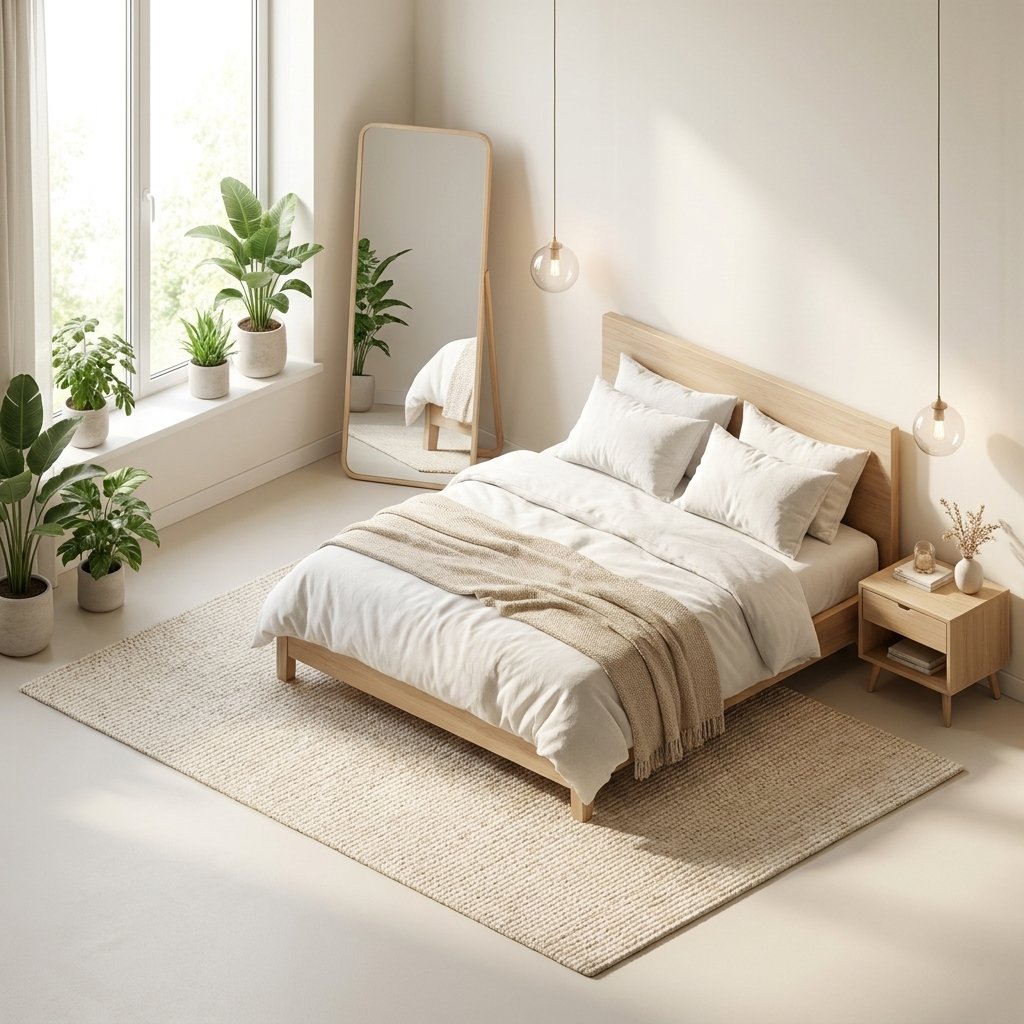
18. Mirrors Directly Reflecting the Bed
- The Problem: Direct lines of sight from a mirror to the bed can feel restless and visually cluttered.
- What to Do Instead: Angle mirrors to reflect surrounding walls, windows, or light sources rather than the bed itself.
19. Cold Minimalism
- The Problem: Clean lines without accompanying warmth leave a bedroom feeling stark and unwelcoming.
- What to Do Instead: Counterbalance minimalist architecture with warm textures, soft organic shapes, and cherished personal objects.
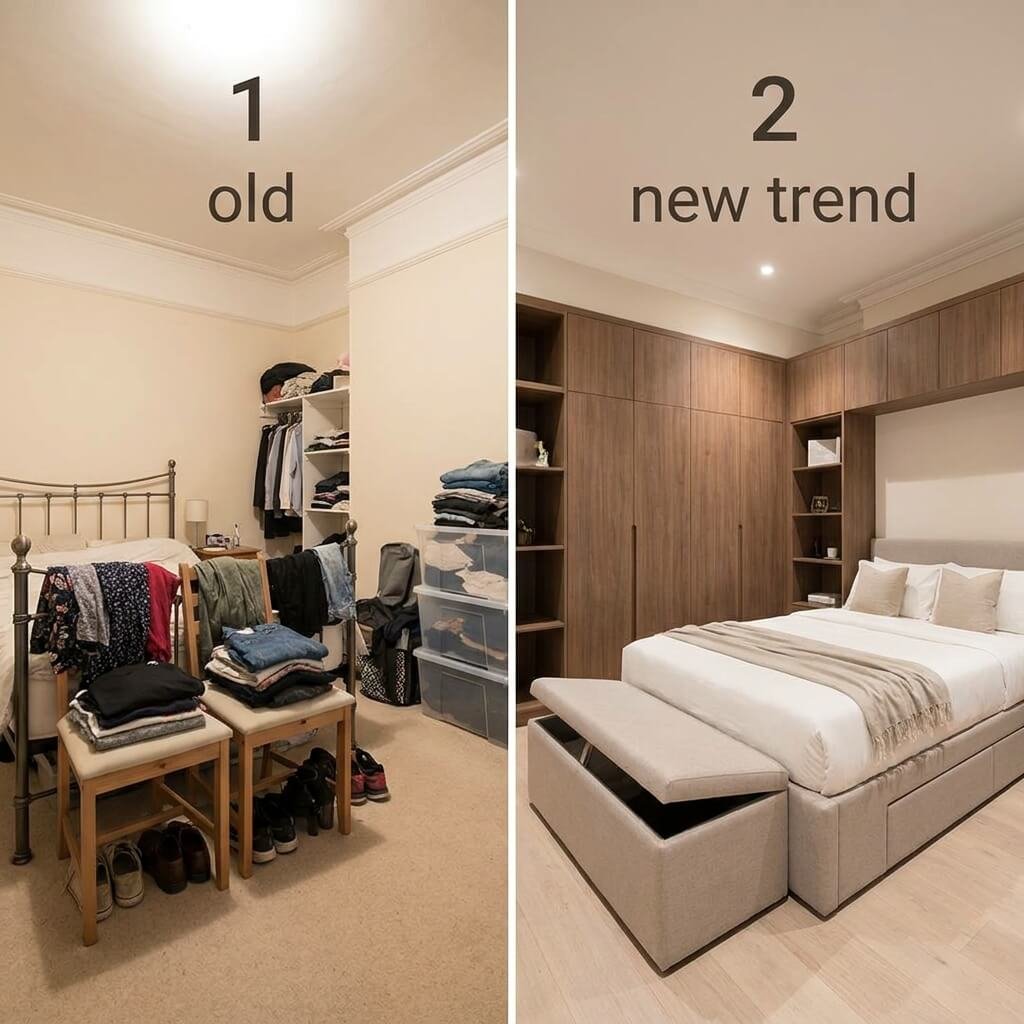
20. Neglecting Functional Storage
- The Problem: Inadequate storage solutions quickly result in visible mess and daily frustration.
- What to Do Instead: Integrate storage beds, functional ottomans, or custom built-ins to hide clutter out of sight.
21. Ignoring Comfort in Furniture Layout
- The Problem: Designing purely for visual angles can block functional pathways and impede daily routines.
- What to Do Instead: Prioritize unhindered walking paths, easily reachable nightstands, and comfortable spatial arrangement above all else.