Easy Simple Hibachi Noodles Recipe
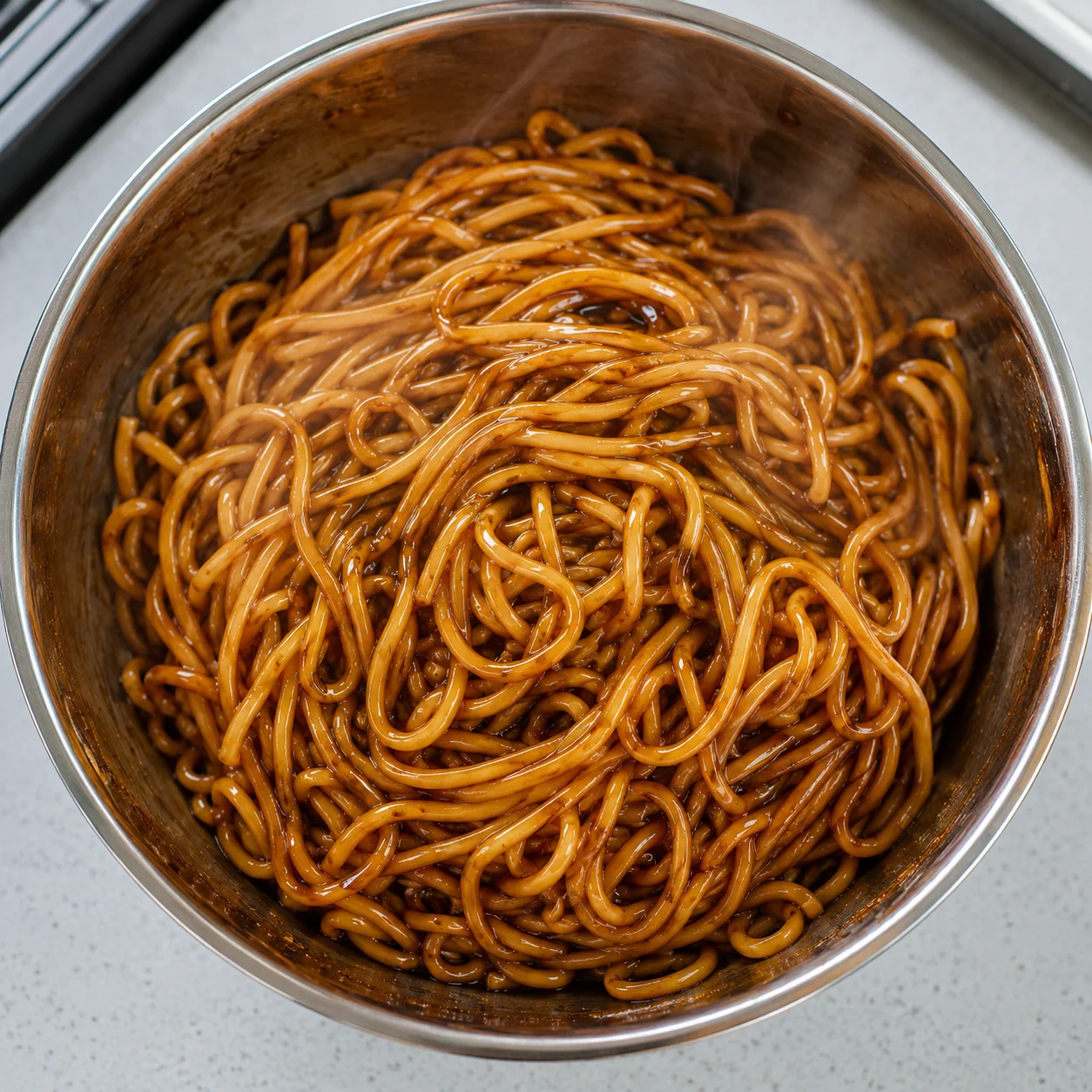
Warm, buttery, savoury, and full of rich garlic soy flavour, this easy hibachi noodles recipe is a simple restaurant style dish you can make at home in minutes. The noodles are tossed in a glossy sauce made with butter, garlic, soy sauce, sesame oil, and a little sweetness, giving them that classic hibachi style taste.
Hibachi noodles are perfect as a quick dinner, side dish, meal prep recipe, or a base for chicken, shrimp, steak, tofu, or vegetables. They are soft, saucy, slightly sweet, and deeply savoury, making them one of those easy recipes that feels comforting without needing much effort.
The best part is that you do not need a hibachi grill to make them. A large skillet or wok works perfectly. Boil the noodles, make the sauce, toss everything together, and you have a delicious bowl of noodles that tastes like your favourite Japanese steakhouse side.
Why You’ll Love These Hibachi Noodles
This recipe is quick, simple, and full of flavour. It uses basic pantry ingredients and comes together faster than takeout.
You’ll love these hibachi noodles because they are buttery, garlicky, and coated in a rich soy based sauce. They taste amazing on their own but also pair beautifully with grilled chicken, steak, shrimp, fried rice, or sautéed vegetables.
Another great thing about this recipe is how flexible it is. You can use yakisoba noodles, udon noodles, lo mein noodles, spaghetti, or linguine. Whatever noodles you have at home can work with the right sauce.
Ingredients for Hibachi Noodles
You’ll need:
12 ounces noodles, such as yakisoba, udon, spaghetti, or linguine
2 tablespoons butter
1 tablespoon sesame oil
3 garlic cloves, minced
1/4 cup soy sauce
1 tablespoon teriyaki sauce, optional
1 tablespoon brown sugar or honey
1 teaspoon rice vinegar or lemon juice
1/2 teaspoon black pepper
1/2 teaspoon ginger, grated or powdered
2 green onions, sliced
1 tablespoon sesame seeds, optional
Optional add ins:
Sautéed mushrooms
Carrots
Zucchini
Broccoli
Bell peppers
Chicken
Shrimp
Steak
Tofu
The butter gives the noodles a rich hibachi flavour, while soy sauce adds saltiness and depth. Sesame oil adds a nutty aroma, and garlic gives the dish its warm savoury taste.
Best Noodles to Use
Yakisoba noodles are a great choice for hibachi noodles because they are soft, chewy, and easy to toss in sauce. Udon noodles also work well if you want a thicker, more filling texture.
If you do not have Asian style noodles, spaghetti or linguine can be used. They are easy to find and hold the sauce nicely. Just cook them until tender, drain well, and toss them with the hibachi sauce.
The most important thing is not to overcook the noodles. Slightly firm noodles work better because they will continue to soften when tossed in the hot skillet.
Step by Step Hibachi Noodles Recipe
Step 1: Cook the Noodles
Bring a large pot of water to a boil. Add the noodles and cook according to the package directions.
Once cooked, drain the noodles and rinse lightly if needed to stop them from sticking. If using spaghetti or linguine, cook until just tender.
Set the noodles aside while you prepare the sauce.
Step 2: Make the Hibachi Sauce
In a small bowl, mix soy sauce, teriyaki sauce if using, brown sugar or honey, rice vinegar, black pepper, and ginger.
Stir until the sugar dissolves and the sauce looks smooth.
This sauce should taste savoury, slightly sweet, and balanced. If you like a stronger flavour, add a little more soy sauce. If you want a sweeter taste, add a little more honey or brown sugar.
Step 3: Heat the Pan
Place a large skillet or wok over medium heat. Add butter and sesame oil.
Let the butter melt slowly and mix with the sesame oil. This creates a rich base for the noodles.
Do not use heat that is too high at this stage because garlic can burn quickly.
Step 4: Add the Garlic
Add minced garlic to the pan and cook for 30 to 60 seconds, stirring often.
The garlic should smell fragrant but should not turn dark brown. Burnt garlic can make the noodles taste bitter.
This step gives the whole dish that warm hibachi style aroma.
Step 5: Add the Noodles
Add the cooked noodles to the skillet. Toss them gently in the garlic butter mixture.
Use tongs or a large spoon to coat the noodles evenly. Let them warm through for 1 to 2 minutes.
If the noodles seem dry or sticky, add a small splash of water to loosen them.
Step 6: Pour in the Sauce
Pour the hibachi sauce over the noodles.
Toss everything together until the noodles are fully coated and glossy. Let them cook for another 2 to 3 minutes so the sauce slightly thickens and clings to the noodles.
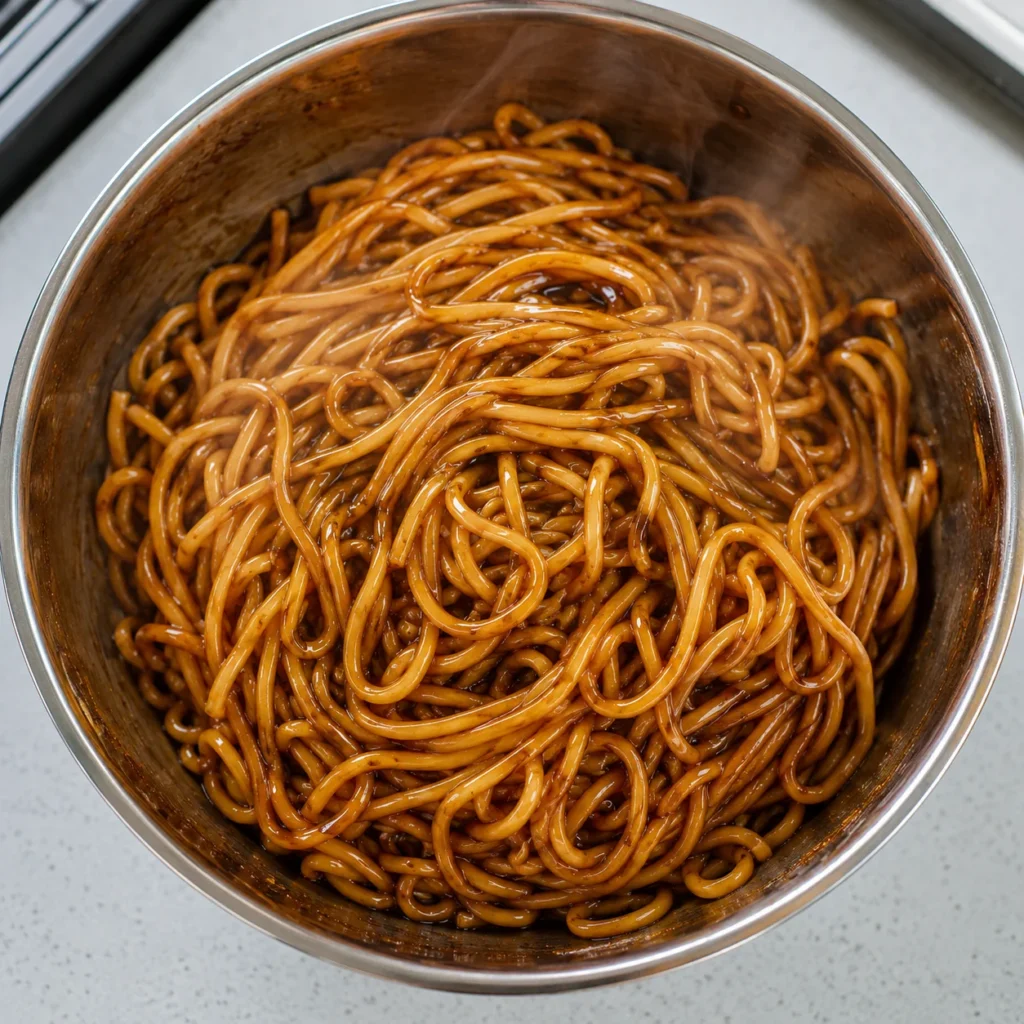
The noodles should look shiny, saucy, and evenly coloured.
Step 7: Add Green Onions
Add sliced green onions and sesame seeds if using.
Toss once more, then remove the pan from heat.
Green onions add freshness and a mild sharp flavour that balances the buttery sauce.
Step 8: Serve Hot
Serve the hibachi noodles immediately while they are warm and glossy.
You can enjoy them plain or serve them with chicken, shrimp, steak, tofu, fried rice, or vegetables.
Add extra sesame seeds, green onions, or a little chilli sauce on top if you like.
Tips for the Best Hibachi Noodles
Do not overcook the noodles because they will soften more in the skillet.
Use a large pan so the noodles can toss evenly.
Cook garlic gently so it does not burn.
Use butter for the classic hibachi flavour.
Add sesame oil for a deeper nutty taste.
Taste the sauce before adding it to the noodles.
Add a splash of water if the noodles become too dry.
Serve immediately for the best texture.
Easy Vegetable Add Ins
You can easily turn hibachi noodles into a fuller meal by adding vegetables.
Mushrooms, carrots, zucchini, broccoli, bell peppers, cabbage, and onions all work well. Slice the vegetables thinly so they cook quickly.
To add vegetables, cook them in the skillet before adding the noodles. Once they are tender but still slightly crisp, add the noodles and sauce.
This makes the dish more colourful, fresh, and filling.
How to Add Chicken, Shrimp, or Steak
For chicken hibachi noodles, cook small pieces of chicken in the skillet with a little oil, salt, pepper, and garlic powder. Once fully cooked, remove the chicken, make the noodles, then add the chicken back in at the end.
For shrimp, cook peeled shrimp for 1 to 2 minutes on each side until pink and tender. Add them back after the noodles are coated in sauce.
For steak, cook thin slices of steak quickly over medium high heat, then toss them with the noodles before serving.
Adding protein makes these noodles a complete dinner.
Easy Sauce Variations
This hibachi noodle sauce is simple, but you can adjust it to your taste.
For a sweeter sauce, add more brown sugar or honey.
For a spicy version, add chilli flakes, sriracha, or chilli garlic sauce.
For a richer flavour, add a little oyster sauce.
For a lighter taste, use low sodium soy sauce and add more lemon juice or rice vinegar.
For extra garlic flavour, add roasted garlic or a little garlic paste.
What to Serve with Hibachi Noodles
Hibachi noodles pair well with many simple dishes.
You can serve them with:
Hibachi chicken
Garlic butter shrimp
Grilled steak
Fried rice
Stir fried vegetables
Teriyaki chicken
Tofu
Egg rolls
Cucumber salad
Miso soup
For a full hibachi style dinner, serve the noodles with fried rice, sautéed vegetables, and grilled chicken or shrimp.
How to Store Leftovers
Let the noodles cool completely before storing. Place them in an airtight container and keep them in the refrigerator for up to 3 days.
The noodles may absorb the sauce as they sit, so they can become a little dry after chilling.
To reheat, add a small splash of water, soy sauce, or butter to a skillet and warm the noodles over medium heat until soft and glossy again.
Can You Make Hibachi Noodles Ahead of Time?
Yes, you can make hibachi noodles ahead of time, but they taste best fresh.
If preparing ahead, cook the noodles and sauce separately. Store them in the refrigerator, then toss everything together in a hot skillet when ready to serve.
This keeps the noodles from becoming too soft and helps the sauce taste fresh.
Frequently Asked Questions
What noodles are best for hibachi noodles?
Yakisoba, udon, lo mein, spaghetti, and linguine all work well. Yakisoba gives the most restaurant style texture, while spaghetti is the easiest substitute.
Can I make hibachi noodles without sesame oil?
Yes, you can skip sesame oil, but it adds a nice nutty flavour. If you do not have it, use a little extra butter or neutral oil.
Are hibachi noodles spicy?
No, this basic recipe is not spicy. You can add chilli flakes, sriracha, or chilli garlic sauce if you want heat.
Can I use low sodium soy sauce?
Yes, low sodium soy sauce works well and helps control the saltiness of the dish.
Why are my noodles sticky?
The noodles may be overcooked or not tossed with enough sauce. Add a small splash of water or oil while reheating to loosen them.
Final Thoughts
This easy simple hibachi noodles recipe is buttery, savoury, garlicky, and full of restaurant style flavour. With noodles, soy sauce, butter, sesame oil, garlic, and a little sweetness, you can make a quick homemade dish that tastes rich and satisfying.
It is perfect as a side dish or a full meal with chicken, shrimp, steak, tofu, or vegetables. The recipe is flexible, beginner friendly, and ready in minutes.