Cottage Cheese Pizza Crust Recipe (High-Protein, Quick, Crispy Edges)
If pizza night is sacred in your house but you want something lighter, higher in protein, and easier than traditional yeast dough, this cottage cheese pizza crust recipe is the answer. It bakes golden with crisp edges, holds toppings beautifully, and gives you that satisfying pizza texture without hours of rising time.
This crust is practical. It’s weeknight friendly. And once you understand how it works, it becomes incredibly customizable.
You can make it as a simple 3 ingredient dough for a sturdier sliceable crust, or go with the egg based version for a thinner, protein-forward base. Both deliver flavor, structure, and comfort — just in slightly different ways.
Below you’ll find everything you need:
- Full step-by-step instructions
- Texture control tips
- Crispiness secrets
- Flavor upgrades
- Topping strategies
- Storage and meal prep guidance
- Troubleshooting guide
- Creative variations
Let’s go deep.
Why Cottage Cheese Makes an Excellent Pizza Base
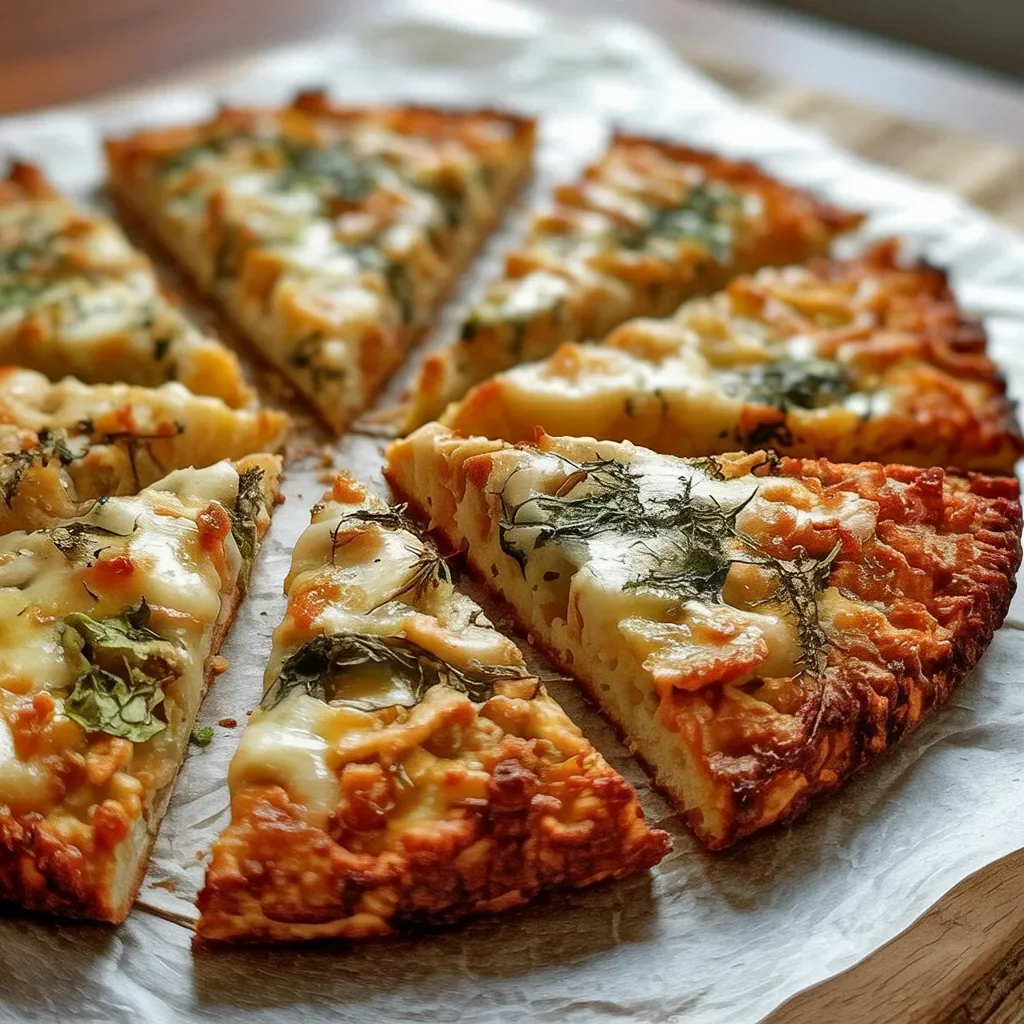
Traditional pizza dough relies on gluten development and yeast fermentation for structure. Cottage cheese crust uses a different approach.
It works because:
• Eggs or flour create structure
• Cottage cheese adds moisture and protein
• Baking powder provides lift
• Pre baking firms the base before toppings
When blended smooth, cottage cheese becomes creamy and evenly distributed. Once heated, its proteins set, helping the crust hold its shape without becoming dry or crumbly.
The result?
A crust that’s:
- Soft in the center
- Lightly crisp at the edges
- Sturdy enough to lift
- High in protein
- Faster than yeast dough
Choosing the Right Version
There are two main styles.
Option A: 3 Ingredient Dough Style (More Traditional Texture)
This version behaves more like a classic pizza crust. It’s thicker, firmer, and easier to slice cleanly.
Best for:
- Family pizza night
- Sharing
- Heavier toppings
- Thick crust lovers
Option B: Egg Based Batter Style (Thinner, Protein-Forward)
This version spreads like batter instead of being kneaded like dough.
Best for:
- Personal pizzas
- Lower carb focus
- Thin crust fans
- Quick lunches
Cottage Cheese Pizza Crust Recipe (3 Ingredient Version)
Ingredients
1 cup cottage cheese (2% or full fat)
1 cup all purpose flour
1 teaspoon baking powder
Optional flavor boosters:
½ teaspoon salt
½ teaspoon garlic powder
1 teaspoon Italian seasoning
2 tablespoons grated parmesan
Step-By-Step Detailed Method
Step 1: Blend Completely Smooth
Add cottage cheese to a blender and process until silky. No curds should remain.
This matters. Lumpy cottage cheese can create uneven baking and wet pockets in the crust.
Step 2: Form the Dough
In a bowl, combine blended cottage cheese, flour, and baking powder. Mix until it forms a soft dough.
If sticky, add flour 1 tablespoon at a time. Avoid adding too much or it becomes dense.
The dough should feel:
• Soft
• Slightly tacky
• Easy to press
Step 3: Shape Evenly
Line a baking sheet with parchment paper. Lightly oil the surface.
Press dough into:
- Round pizza shape
- Rectangle
- Or smaller personal rounds
Thickness guide:
¼ inch for thin crust
⅓ inch for medium crust
Even thickness ensures even baking.
Step 4: Pre Bake Properly (Critical Step)
Bake at 425°F (220°C) for 8–12 minutes until:
• Surface looks set
• Edges begin turning golden
• Center is no longer glossy
Pre baking prevents soggy pizza.
Step 5: Add Toppings and Bake Again
Add sauce lightly — too much moisture softens the base.
Add cheese and toppings. Bake another 8–12 minutes until:
• Cheese melts
• Edges brown
• Bottom crisps
Step 6: Rest Before Slicing
Let the pizza rest for 5 minutes.
This allows proteins to set and moisture to redistribute.
Skipping this step leads to floppy slices.
How to Get Extra Crispy Edges
Crispy edges make this crust special.
To maximize crispness:
• Brush edges lightly with olive oil before baking
• Sprinkle parmesan on outer rim
• Bake on preheated pizza stone
• Finish under broiler 1–2 minutes
• Use convection setting if available
The goal is dry heat at the bottom.
Egg Based Version (Protein Thin Crust)
Ingredients:
½ cup cottage cheese
1 large egg
3 tablespoons flour
Blend. Spread thin. Bake 350–400°F until set and lightly golden.
This version bakes faster and produces a lighter bite.
Flavor Upgrades That Make It Taste Like Real Pizza
Healthy crust doesn’t mean bland.
Add inside the dough:
• Garlic powder
• Onion powder
• Italian seasoning
• Red pepper flakes
• Grated parmesan
• Black pepper
You can also mix in:
• Finely chopped basil
• Dried oregano
• Crushed fennel seeds
Season the base, not just the toppings.
Topping Strategy for Best Texture
Because this crust is tender, topping balance matters.
Avoid:
• Overloading with sauce
• Excess watery vegetables
• Thick heavy layers
Pre sauté vegetables like:
• Mushrooms
• Spinach
• Zucchini
This removes excess moisture.
Creative Pizza Ideas
Protein BBQ Chicken Pizza
BBQ sauce base, chicken, red onion, mozzarella.
Mediterranean Style
Olive oil base, feta, spinach, olives, sun dried tomatoes.
Margherita Protein Pizza
Light tomato sauce, fresh mozzarella, basil.
Breakfast Pizza
Scrambled eggs, turkey bacon, cheddar.
White Garlic Pizza
Ricotta, mozzarella, roasted garlic, parmesan.
Make Ahead Strategy
You can pre-bake the crust and store it.
Cool completely.
Wrap tightly.
Refrigerate for up to 3 days.
When ready:
Add toppings and bake for 8–10 minutes.
Freezing Instructions
Freeze pre baked crust flat.
Store for up to 1 month.
Bake from frozen at 425°F until heated and crisp.
Nutrition Benefits
Exact numbers vary, but per serving you typically get:
• Higher protein than regular crust
• Fewer carbs
• More filling power
• Better blood sugar balance
It’s not “diet pizza.”
It’s a smarter pizza.
Common Mistakes and Fixes
Crust Is Soggy
Pre bake longer.
Crust Is Too Soft
Make thinner next time or bake 5 minutes longer.
Dough Too Sticky
Add flour slowly until workable.
Bottom Not Crispy
Bake on a lower rack or pizza stone.
Flavor Too Mild
Increase seasoning inside dough.
Frequently Asked Questions
Can I make it gluten free?
Use 1:1 gluten free flour. Keep the crust thinner and bake slightly longer.
Can I use low fat cottage cheese?
Yes. The texture remains good. Full fat gives a richer flavor.
Does it taste like cottage cheese?
No. Once seasoned and topped, it tastes like pizza.
Can I make it keto?
Use almond flour instead of regular flour.
Advanced Version: Ultra Crispy Method
If you want next level crisp:
- Preheat the baking sheet in the oven.
- Place shaped dough on a hot sheet.
- Bake until golden underside forms.
- Flip once before topping.
This mimics pizzeria style crust.
Final Thoughts
This cottage cheese pizza crust recipe isn’t just a trend. It’s a practical, protein packed alternative that actually works. Once you learn how to pre-bake correctly and control moisture, you can make a pizza that feels indulgent while still being balanced.
It’s faster than yeast dough.
It’s higher in protein.
It’s easier to repeat.
And it fits into a busy life.
Once you make it once, you’ll start experimenting — different thickness, different flavors, different toppings.