How to Make Sticky Rice Recipe: Perfectly Chewy, Authentic, and Better Than Takeout
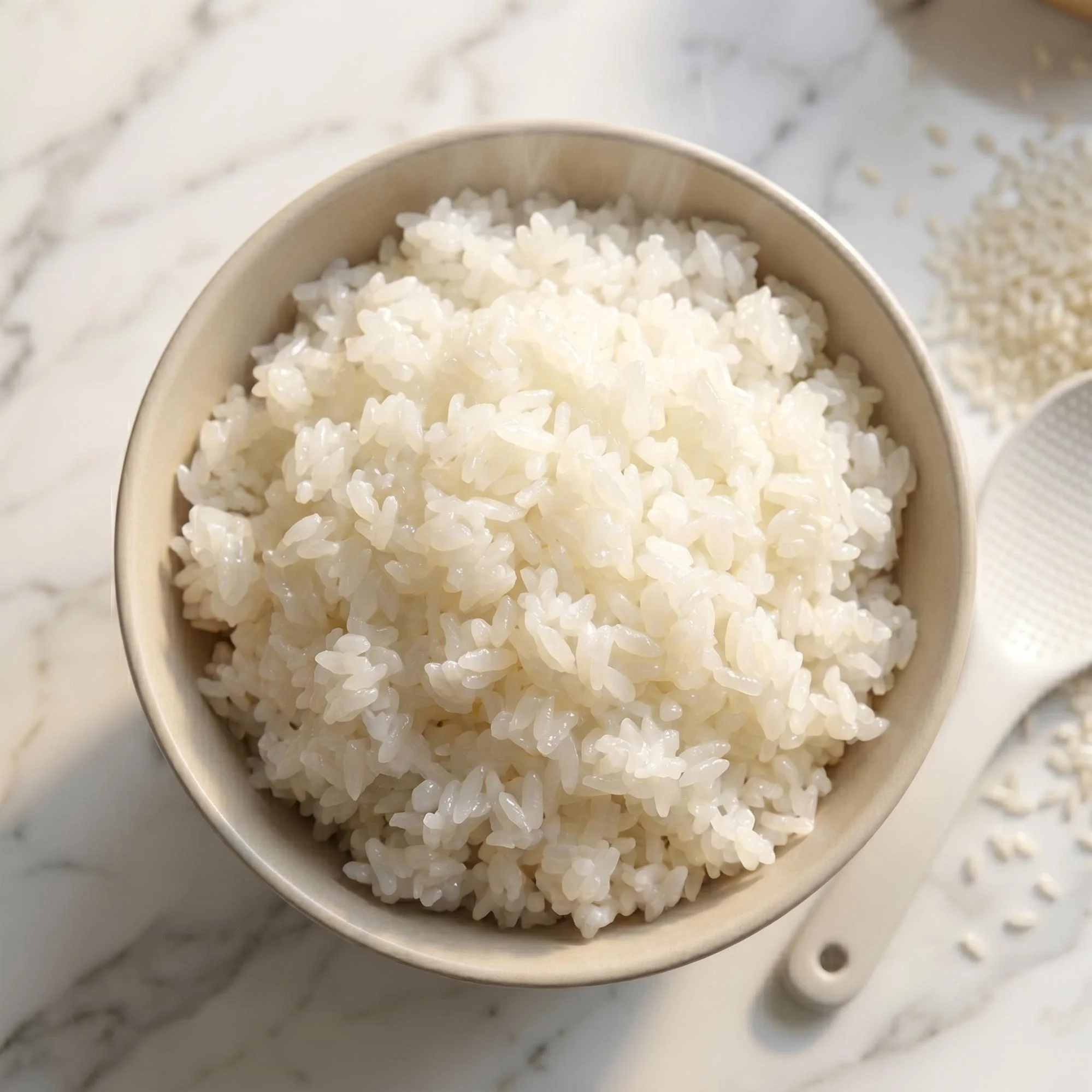
This how to make sticky rice recipe is the perfect authentic side dish to elevate your next Asian-inspired dinner. It creates beautifully glossy, tender grains that perfectly clump together, providing that signature chewy texture you expect from a great restaurant. Made with just one specific type of grain and water, it is a simple, traditional, and easy-to-make alternative to ordering expensive takeout. If you are looking for a foolproof, classic rice dish that takes minimal active effort, let’s get right into it!
Why You Will Love This Recipe
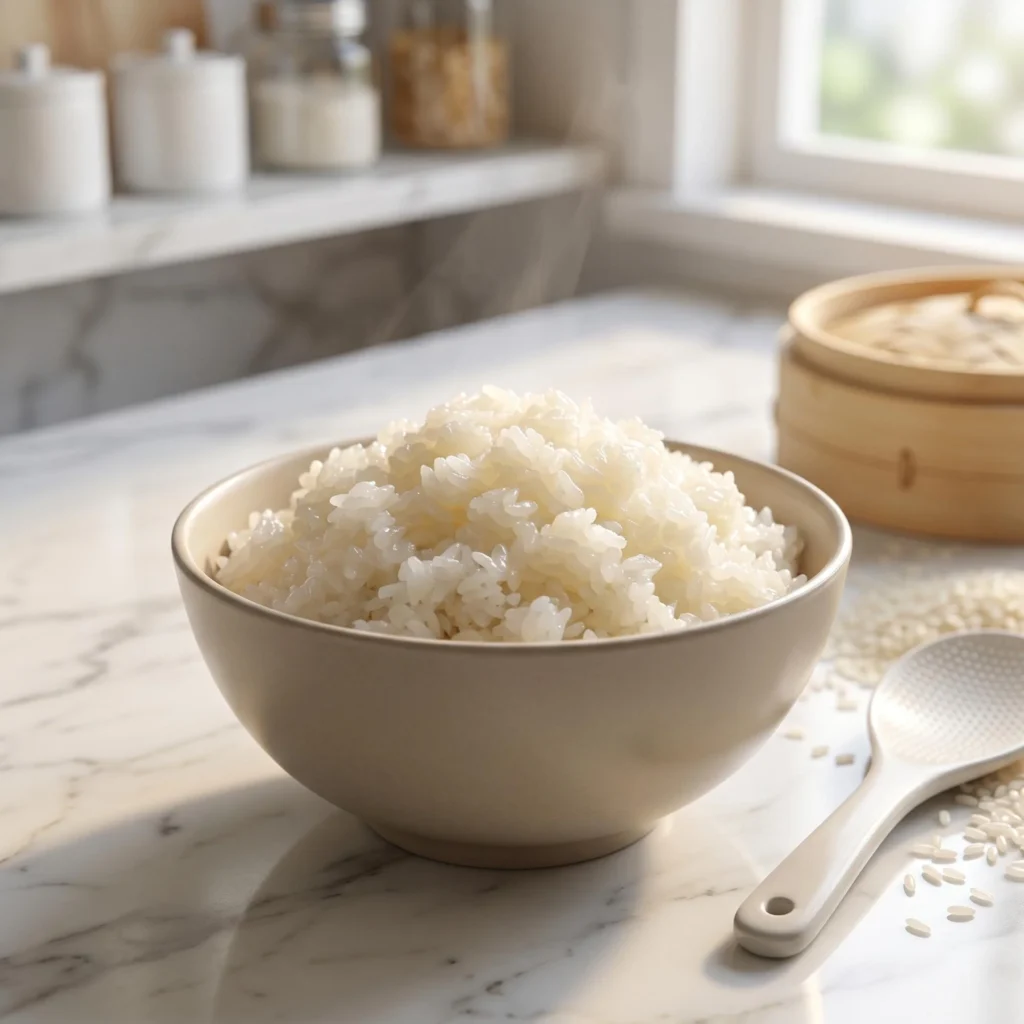
If you’ve been stuck in a rut of just serving mushy or overly dry regular white rice, you are going to fall in love with this method. This sticky rice is:
Texturally perfect: Steaming the soaked grains instead of boiling them ensures they become perfectly chewy and sticky without ever turning into mush.
Highly customizable: You can easily serve it plain with savory dishes, or soak it in sweet coconut milk for a classic dessert.
Made with basic staples: You only need a bag of Thai sweet rice (glutinous rice) and fresh water.
Visually gorgeous: The plump, translucent, glistening grains look like they came straight out of a high-end Thai kitchen.
Ingredients You Will Need
The beauty of this recipe lies in its sheer simplicity. To get that perfect authentic chew, you will need:
- 2 cups glutinous rice (also labeled as sweet rice or Thai sticky rice)
- Fresh cold water (for rinsing and soaking)
- Boiling water (for the steamer)
- A pinch of salt (optional, for flavor)
Step-by-Step Instructions for Sticky Rice
Follow these easy steps. I’ve broken them down into quick, bite-sized pieces so you can achieve maximum stickiness without any stress!
Step 1: Rinse the Rice Place the raw rice in a large bowl. Cover it with cold water. Swish it around with your hands. Drain and repeat until the water is clear.
Step 2: Soak the Grains Cover the rinsed rice with fresh cold water. Make sure the water is two inches above the rice. Let it soak for at least 4 hours. Overnight soaking yields the absolute best texture.
Step 3: Prep the Steamer Drain the soaked rice completely. Line a bamboo steamer basket with a damp cheesecloth. Pour the drained rice onto the cloth. Spread it out into an even layer.
Step 4: Set Up the Pot Bring a pot of water to a rolling boil. Place the bamboo steamer securely over the boiling water. Make sure the water does not touch the bottom of the rice. Place the lid tightly on the steamer.
Step 5: Steam and Flip Steam the rice for 20 minutes. Carefully open the lid. Use a spatula to gently flip the mound of rice over. Steam for another 10 minutes until tender and translucent.
Step 6: Fluff and Serve Remove the steamer from the heat. Keep the lid on to trap the steam until ready to eat. Scoop the rice into a bowl and serve warm!
Pro Tips for the Ultimate Rice
Small adjustments can take your sticky rice from good to absolute perfection.
Do not skip the soak: Glutinous rice has a hard outer shell. If you do not soak it for at least 4 hours, the center of the grains will remain hard and chalky no matter how long you steam them.
Buy the right rice: You absolutely must use “glutinous rice” or “sweet rice.” Jasmine rice, basmati, or standard short-grain sushi rice will not work for this specific steaming method.
Keep it covered: Sticky rice dries out incredibly fast when exposed to open air. Always keep it covered with a damp cloth or a tight lid until the exact moment you are ready to serve.
What to Serve with Sticky Rice
This versatile grain pairs beautifully with almost any Southeast Asian flavor profile.
As a savory side: Serve it alongside spicy red curries, grilled marinated chicken skewers, or a fiery green papaya salad.
As a classic dessert: Drizzle the warm rice with thick, sweetened coconut cream and serve it with fresh, ripe sliced mangoes.
As a quick snack: Roll the warm rice into small, bite-sized balls with your hands and dip them directly into a sweet and spicy chili sauce!
How to Store Sticky Rice
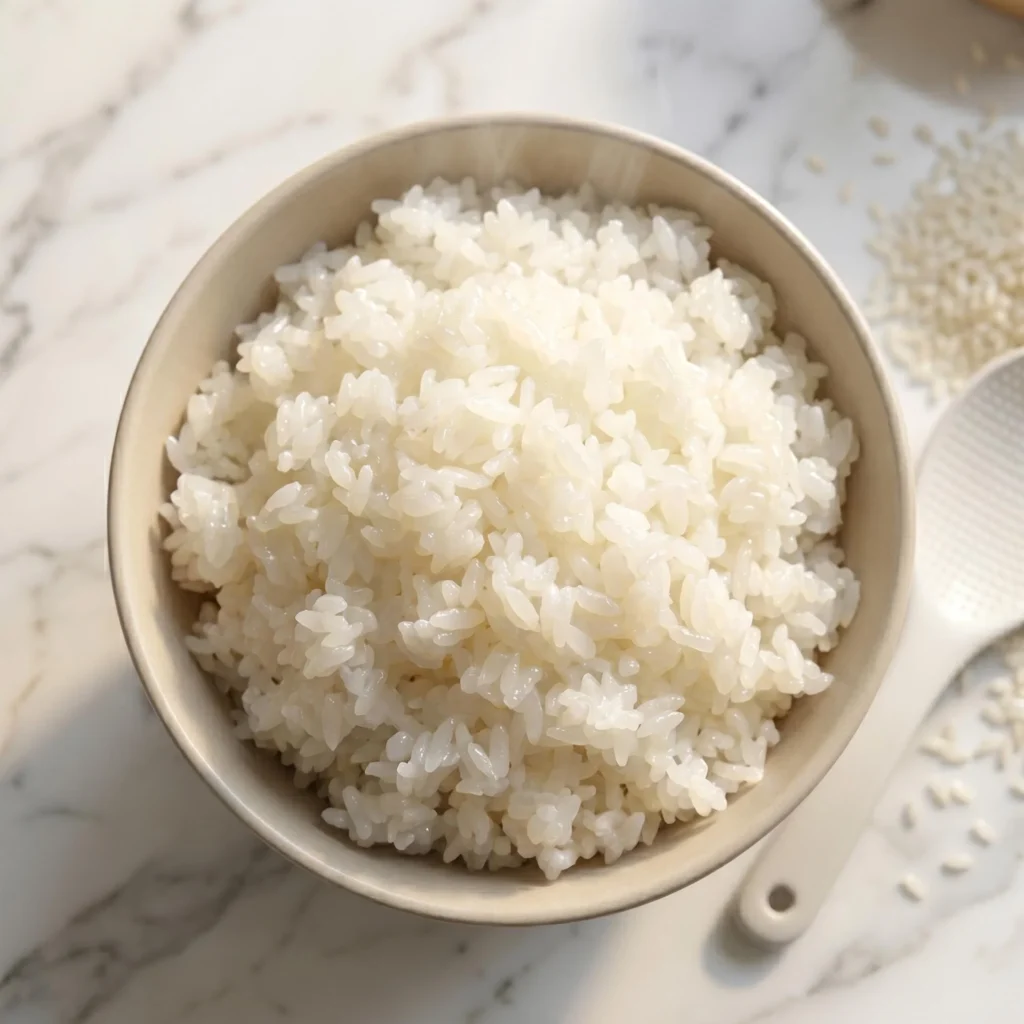
Have leftovers? It is incredibly easy to save them for later!
In the Fridge: Store the completely cooled sticky rice in an airtight container in the refrigerator for up to 3 days.
How to Reheat: Please skip dry heating! Place the cold rice in a microwave-safe bowl, cover it with a damp paper towel, and microwave for 1 to 2 minutes to introduce steam and bring that perfect chewy texture right back.
In the Freezer: You can freeze portioned mounds of sticky rice wrapped tightly in plastic wrap for up to 2 months. Reheat them straight from frozen in the microwave using the damp paper towel trick.
Frequently Asked Questions
Can I make this without a bamboo steamer? Absolutely! You can use a standard metal vegetable steamer basket inside a regular pot. Just make sure to line it with parchment paper (poked with holes) or cheesecloth so the rice doesn’t fall through.
Is glutinous rice gluten-free? Yes! Despite the name “glutinous,” it does not contain dietary gluten. The name simply refers to the glue-like, sticky texture of the rice when it is cooked.
Can I make this in a rice cooker? While traditional steaming is best, some modern rice cookers have a specific “Sweet Rice” setting. If yours does, use less water than standard rice (usually a 1:1 ratio) and skip the overnight soak.
Final Thoughts
This how to make sticky rice recipe is proof that making an authentic Asian side dish doesn’t have to be complicated. With a simple soak, a quick steam, and the right grain, you get the ultimate chewy, perfectly sticky bite every single time. Try it today, and I promise it’ll become a permanent favorite in your dinner rotation!