The Best Flat Bread Recipe: Soft, Pillowy, and Better Than Store-Bought
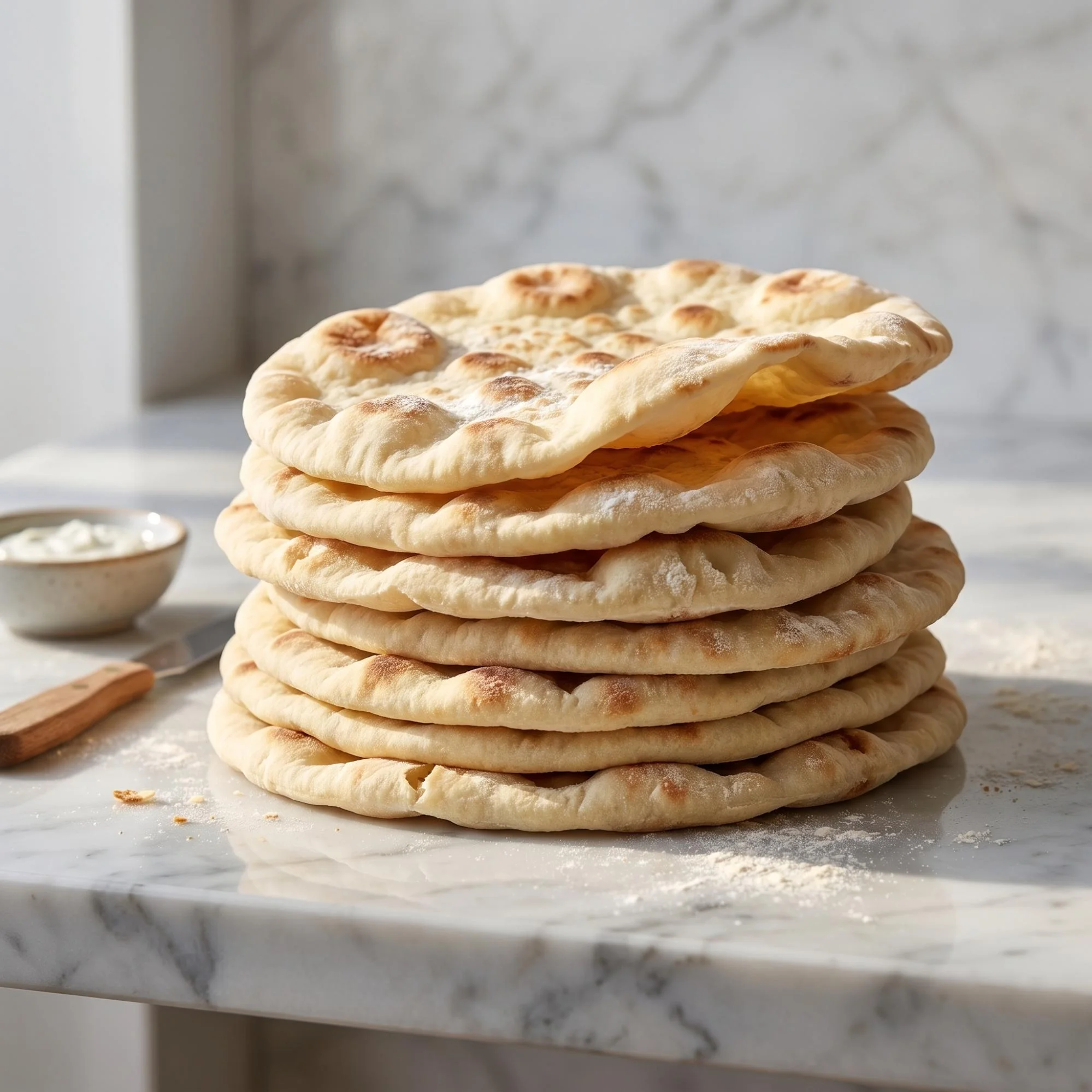
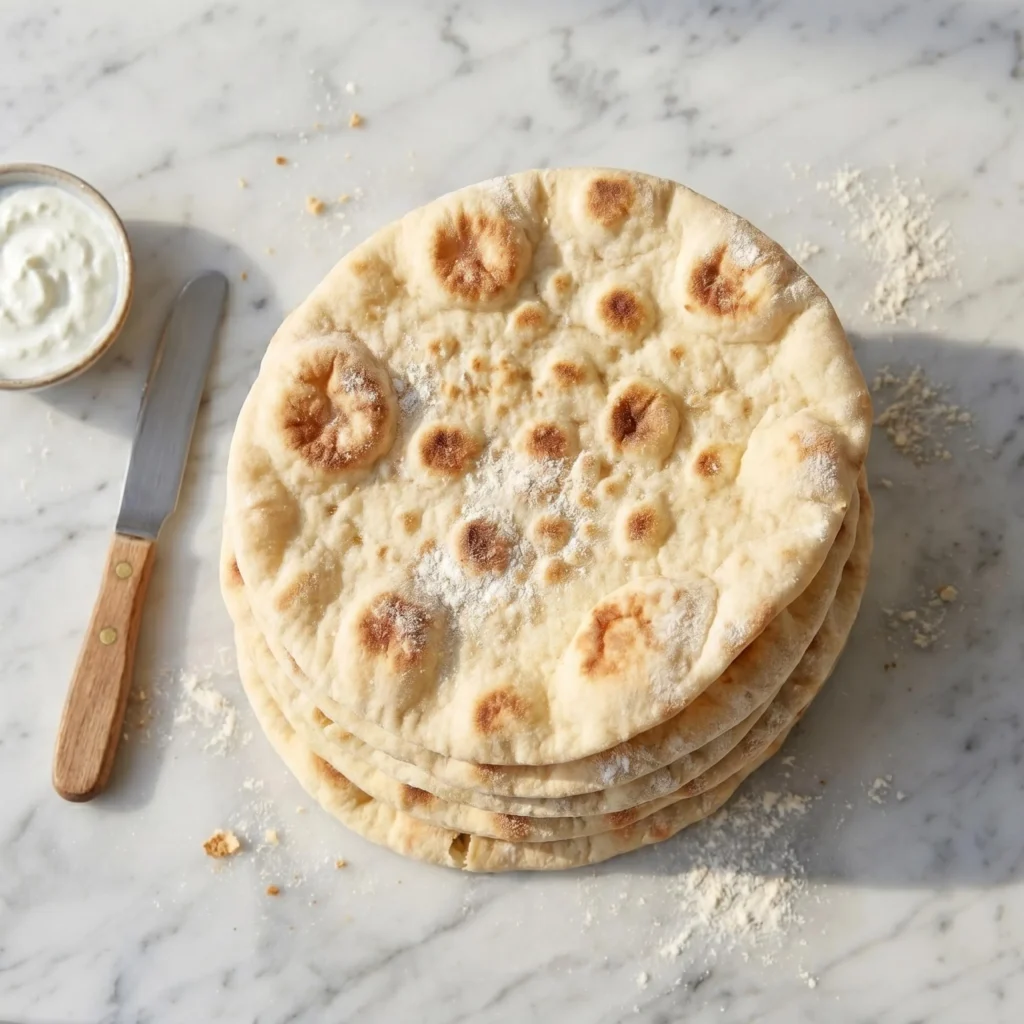
There is something incredibly joyful about tearing into a warm, freshly cooked piece of bread right off the skillet. Whether you’ve seen mouthwatering wraps taking over your social media feeds or enjoyed a perfect, flour-dusted stack at your favorite Mediterranean restaurant, the ultimate homemade flatbread—soft, chewy, and dotted with golden-brown toasted spots—is the ultimate comfort carb. Once you try this easy, incredibly pillowy best flat bread recipe at home, you may never buy dry, pre-packaged grocery store tortillas or pitas again.
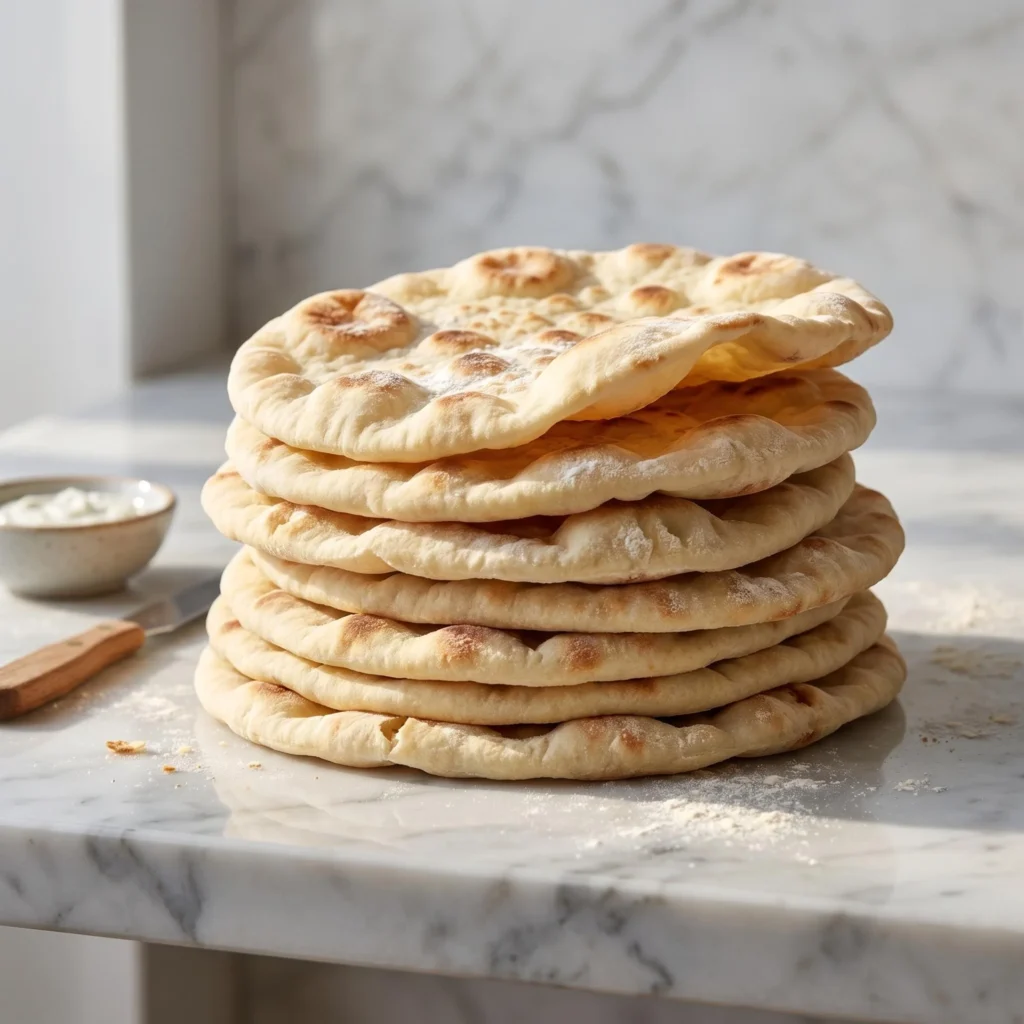
Whether you are cooking for a busy weeknight curry, hosting a weekend mezze platter gathering, or simply styling a vibrant, photogenic spread for your culinary feed, this flatbread delivers flawlessly. The rustic, golden blisters contrasting against a soft, flour-dusted surface look absolutely breathtaking. The best part? You only need four standard pantry and fridge staples, no yeast, and a little bit of patience. Let’s walk through everything step-by-step so you can master this viral, foolproof flatbread perfectly on your first try.
Why Make the Best Flat Bread at Home?
If you’ve only ever bought stiff, lifeless flatbreads or pitas wrapped in plastic from the grocery store, you’re in for a wonderful surprise. A homemade flatbread is:
- Incredibly soft and pliable: Made with a secret ingredient (Greek yogurt), it stays perfectly foldable without cracking.
- Free from artificial preservatives: You know exactly what is going into your dough.
- Budget-friendly: A bag of flour and a tub of yogurt cost a fraction of gourmet bakery breads.
- Highly customizable: Brush them with garlic butter, sprinkle with fresh herbs, or fold spices right into the dough to match a specific meal.
- Visually stunning: The puffed, blistered texture and rustic, hand-rolled shape create a camera-ready, highly appetizing aesthetic.
And honestly, the flavor difference is undeniable. A freshly pan-toasted flatbread boasts a warm, slightly tangy, bakery-style aroma and a delicate chew that commercial versions simply cannot match.
Ingredients for the Best Flat Bread
One of the reasons this recipe works so well is its sheer simplicity. Because it is a yeast-free recipe, there is no intimidating proofing required. You’ll need:
For the Dough:
- 2 cups all-purpose flour (plus extra for dusting)
- 1 ½ teaspoons baking powder
- 1 teaspoon kosher salt
- 1 cup plain, full-fat Greek yogurt (the fat creates the tender texture!)
For Cooking and Serving (Optional but recommended):
- 1 tablespoon olive oil or neutral oil (for the pan)
- 2 tablespoons salted butter, melted
- Fresh parsley or cilantro, finely chopped
Step-by-Step Best Flat Bread Recipe
Follow these simple steps for a perfectly fluffy, blistered flatbread every time.
Step 1: Mix the Dry Ingredients In a large mixing bowl, whisk together the all-purpose flour, baking powder, and salt.
Step 2: Add the Yogurt Add the plain Greek yogurt to the bowl. Use a sturdy wooden spoon or a rubber spatula to mix the yogurt into the flour until a shaggy dough begins to form.
Step 3: Knead Briefly Turn the shaggy dough out onto a lightly floured surface. Using your hands, knead the dough for about 3 to 4 minutes until it becomes smooth and slightly elastic. If the dough is too sticky, add another dusting of flour. If it is too dry, add a tiny spoonful of yogurt or a splash of water.
Step 4: Rest the Dough Cover the dough with a clean kitchen towel or an overturned bowl and let it rest for 15 to 20 minutes. Do not skip this step! Resting allows the gluten to relax, making the dough much easier to roll out.
Step 5: Divide and Roll Divide the rested dough into 6 equal pieces. Roll each piece into a smooth ball. Using a rolling pin on a floured surface, roll each ball out into a circle about 7 to 8 inches in diameter and about ¼-inch thick.
Step 6: Cook in a Hot Skillet Heat a cast-iron skillet or a heavy-bottomed non-stick pan over medium-high heat. Lightly brush the pan with a tiny bit of oil. Place one rolled-out flatbread into the hot skillet. Cook for 1 to 2 minutes until large bubbles form on the surface and the bottom has beautiful golden-brown spots. Flip and cook for another 1 minute on the other side.
Step 7: Keep Warm and Butter Remove the cooked flatbread and place it on a plate covered with a clean kitchen towel to keep it warm and pliable. Repeat with the remaining dough. If desired, immediately brush the hot flatbreads with melted butter and sprinkle with fresh herbs.
Pro Tips for Perfect Flat Bread
Small details make a big difference when making bread from scratch.
- Use the right yogurt: You must use Greek yogurt. Regular yogurt has too much water content and will make your dough an unmanageable, sticky mess.
- Get the pan hot: Your skillet needs to be properly hot before the dough hits it to get those rapid, signature air bubbles and charred spots.
- The towel trick: Wrapping the cooked flatbreads in a clean kitchen towel traps the steam as they come off the skillet. This is the absolute secret to keeping them soft, bendable, and wrap-ready.
How to Store Homemade Flat Bread
Freshly cooked flatbread is best enjoyed the day it is made, but leftovers can be stored in an airtight zip-top bag at room temperature for up to 3 days. To reheat, wrap them in a slightly damp paper towel and microwave for 15 seconds, or toss them back into a warm skillet for a few moments.
You can also freeze them! Let the flatbreads cool completely, then stack them with a piece of parchment paper between each one to prevent sticking. Place the stack in a freezer-safe bag and store for up to 2 months. Thaw at room temperature before warming.
Ways to Customize Your Flat Bread
Now comes the fun part. This versatile dough base is perfect for experimenting.
- Garlic Herb: Knead 1 teaspoon of garlic powder and a handful of chopped fresh rosemary directly into the dough before rolling.
- Spiced: Add ½ teaspoon of cumin, smoked paprika, or za’atar seasoning to the dry ingredients for a Middle Eastern flair.
- Cheese Stuffed: Roll the dough balls out slightly thinner, place a pinch of shredded mozzarella in the center, fold the edges over to seal, and gently roll it flat again before cooking.
Frequently Asked Questions
Why is my flatbread tough and rubbery? Tough bread is usually caused by over-kneading the dough (which develops too much gluten) or rolling the dough out too thick and cooking it too long on a low heat. Knead just until smooth, roll thin, and cook quickly on a hot pan!
Can I make this gluten-free? Yes, you can substitute a high-quality, 1-to-1 gluten-free baking flour blend (make sure it contains xanthan gum). Keep in mind that gluten-free dough won’t puff up quite as dramatically, but it will still be delicious.
Do I absolutely need a rolling pin? No! While a rolling pin gets them perfectly even, you can easily use an empty, clean wine bottle, or simply press and stretch the dough out evenly with your fingertips.
Final Thoughts
This best flat bread recipe proves that making show-stopping, restaurant-quality bread from scratch doesn’t have to require yeast, hours of proofing, or a culinary degree. With just four staple ingredients, a quick knead, and a hot skillet, you can create a joyful, incredibly delicious bread that completely transforms your dinner table.
Once you tear into that first warm, buttery piece, revealing a perfectly soft interior, you’ll understand why this recipe is an absolute keeper. So grab a mixing bowl, dust your counter with flour, and enjoy the simple joy of cooking beautiful flatbread from scratch!