Easy White Pasta Sauce Recipe: Creamy, Rich, and Better Than Any Jar
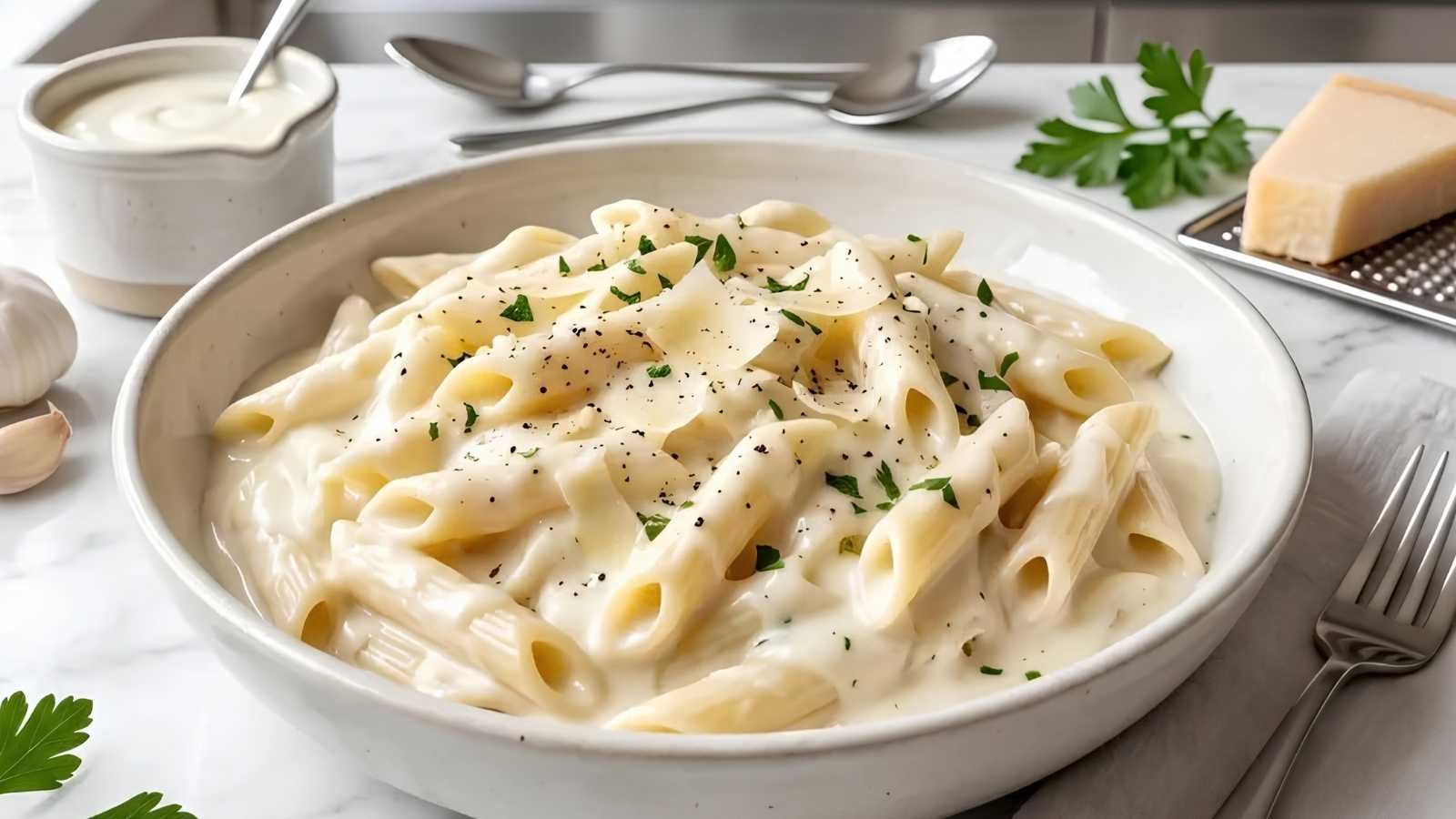
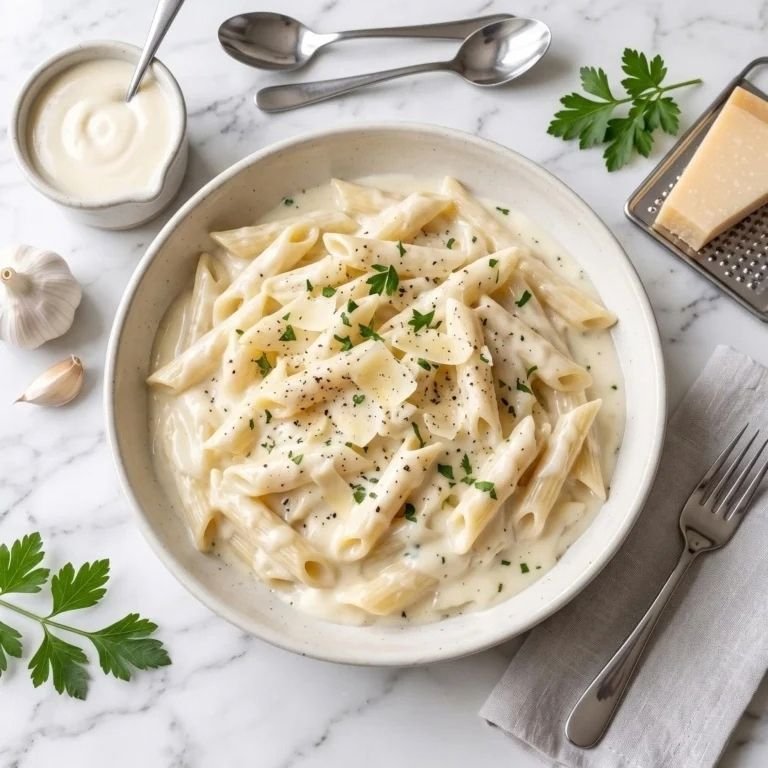
This Easy White Pasta Sauce Recipe is not Alfredo, and the difference comes down to how the sauce is made. Instead of heavy cream, it starts with a simple roux of butter and flour, then milk is whisked in to create a smooth, creamy béchamel-style sauce.
It is also more affordable and lighter than a traditional cream sauce, since it uses everyday milk instead of a carton of heavy cream. The flour helps keep the sauce stable, so it reheats well without separating. The result is a creamy, comforting sauce that works beautifully with pasta, vegetables, chicken, and more.
| Prep Time | 5 minutes |
| Cook Time | 20 minutes |
| Total Time | 25 minutes |
| Sauce Yield | About 3 cups |
| Coats | 12 oz of pasta, serves 6 |
Why You Will Love This Recipe
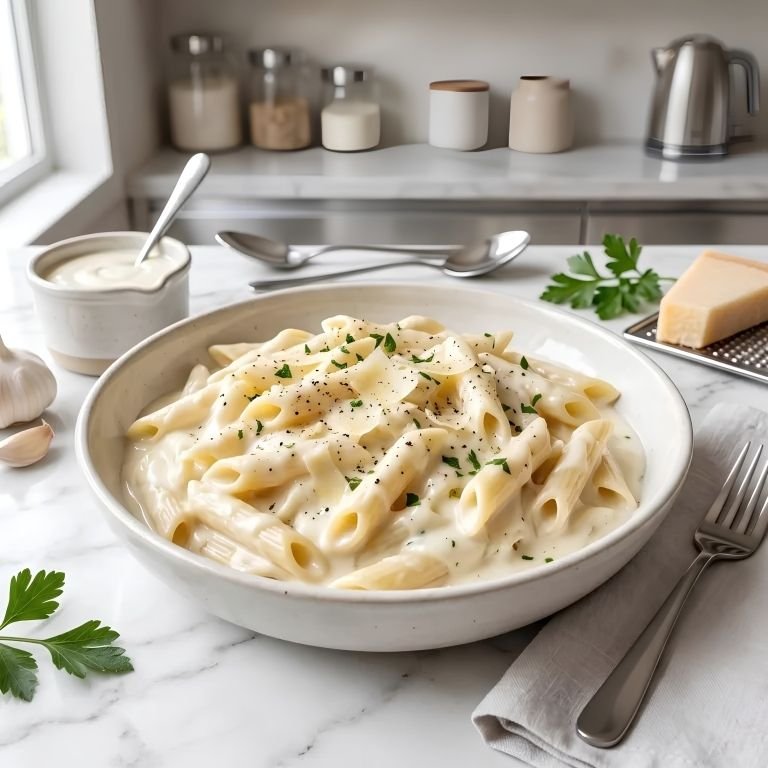
If you’ve been stuck relying on store-bought alfredo sauce, you are going to fall in love with this method. This white pasta sauce is:
Texturally perfect: A smooth, creamy consistency coats every piece of pasta without feeling overly heavy or greasy.
Highly customizable: You can easily add grilled chicken, sautéed mushrooms, or fresh herbs to make it your own.
Made with basic staples: You only need butter, flour, milk, and Parmesan cheese to bring this sauce together.
Ready in minutes: This sauce comes together in about 15 minutes, making it just as fast as opening a jar, but far more flavorful.
Equipment You Will Need
A balloon whisk, not a spoon. This is the one piece that actually matters. A roux needs the milk beaten into it hard enough to break up every lump as it forms, and a spoon simply pushes lumps around.
A flat sauce whisk is better still if you have one, because it reaches the corners where a saucepan meets its base, and that is exactly where flour catches.
A heavy saucepan, 2 to 3 quarts. A thin pan has hot spots, and flour scorches on a hot spot before you smell it. Once scorched, that taste runs through the entire sauce.
A small pan or a jug for warming the milk. Thirty seconds in the microwave is enough. Cold milk hitting a hot roux seizes it into lumps, which is what your own Pro Tip already says.
A microplane or fine grater. Finely grated Parmesan melts smoothly into a sauce. Coarse shreds need more heat to melt, and more heat in a cheese sauce is how it turns grainy.
Ingredients You Will Need
The beauty of this recipe lies in its sheer simplicity. To get that perfect creamy, rich flavor, you will need:
For the Sauce:
4 tbsp unsalted butter
4 cloves garlic, minced
4 tbsp all-purpose flour
3 cups whole milk, warmed
1 cup Parmesan, finely grated
1/2 tsp kosher salt
1/4 tsp black pepper
1/4 tsp ground nutmeg
To Serve:
12 oz penne or pasta of choice
1/2 cup reserved pasta water
2 tbsp fresh parsley, chopped
Extra Parmesan, for serving
Step-by-Step Instructions for White Pasta Sauce
Step 1: Warm the Milk and Start the Pasta. Warm the milk in a jug in the microwave for about 90 seconds, or in a small pan, until it is hot to the touch but not simmering. Bring a large pot of well-salted water to a boil and cook the pasta to al dente, reserving half a cup of the cooking water before draining.

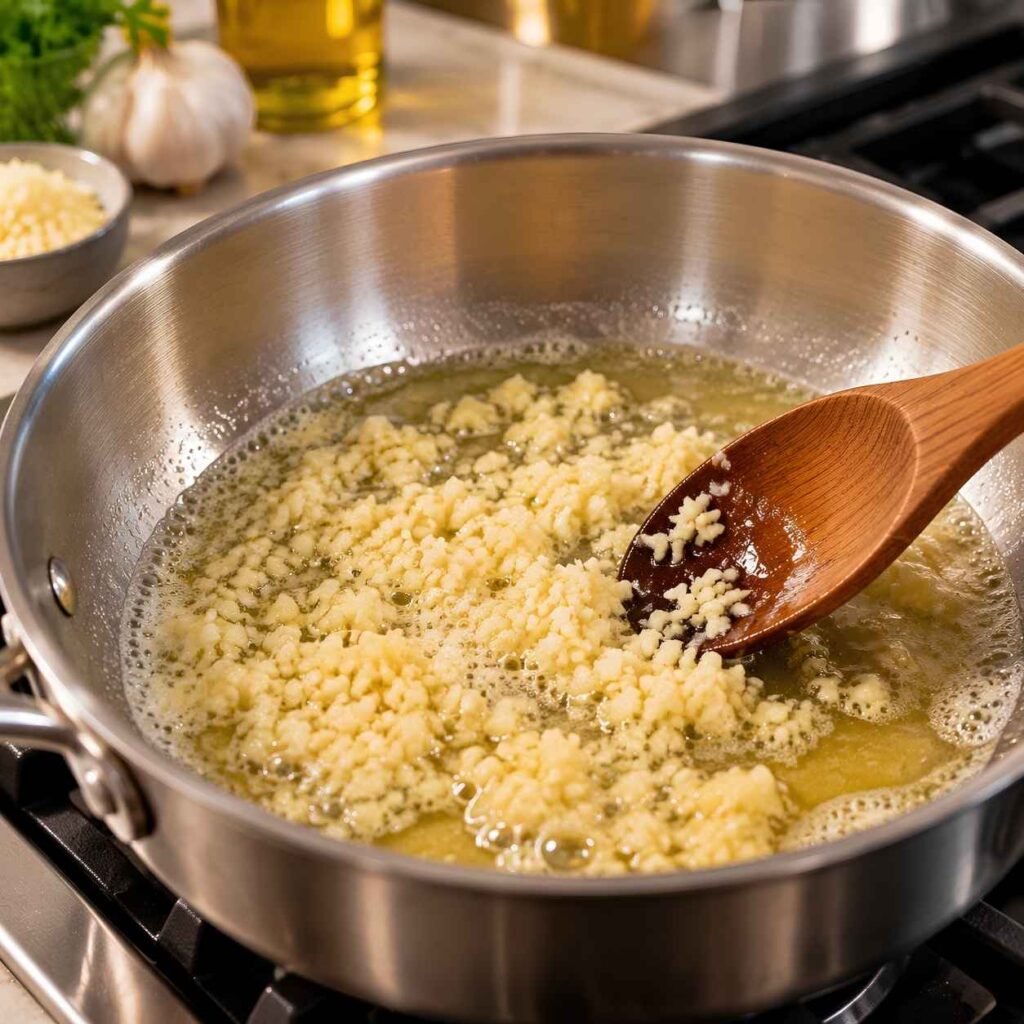
Step 2: Cook the Garlic in the Butter. Melt the butter in a heavy saucepan over medium-low heat. Add the minced garlic and cook for 60 to 90 seconds, until fragrant with no colour on it.
Do this before the flour goes in, not after. A cooked roux is far hotter than melted butter, and garlic added to it burns within about twenty seconds.
Step 3: Make the Roux. Whisk in the flour and cook for 1 minute, whisking the whole time. It should stay pale. Do not let it turn golden. A white roux is what a white sauce needs; a golden roux gives you a beige sauce and, because the heat has broken down some of the starch, it also thickens less. One minute is enough to cook out the raw flour taste.
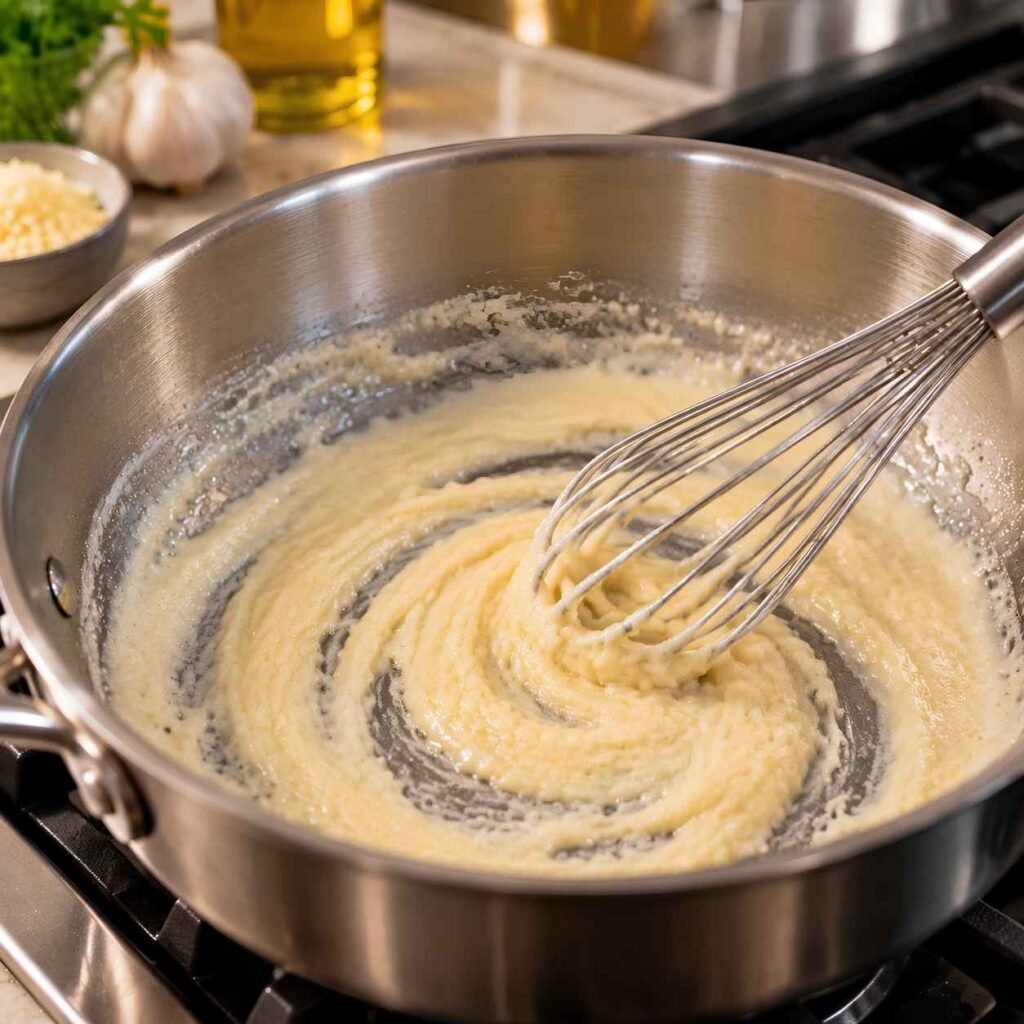
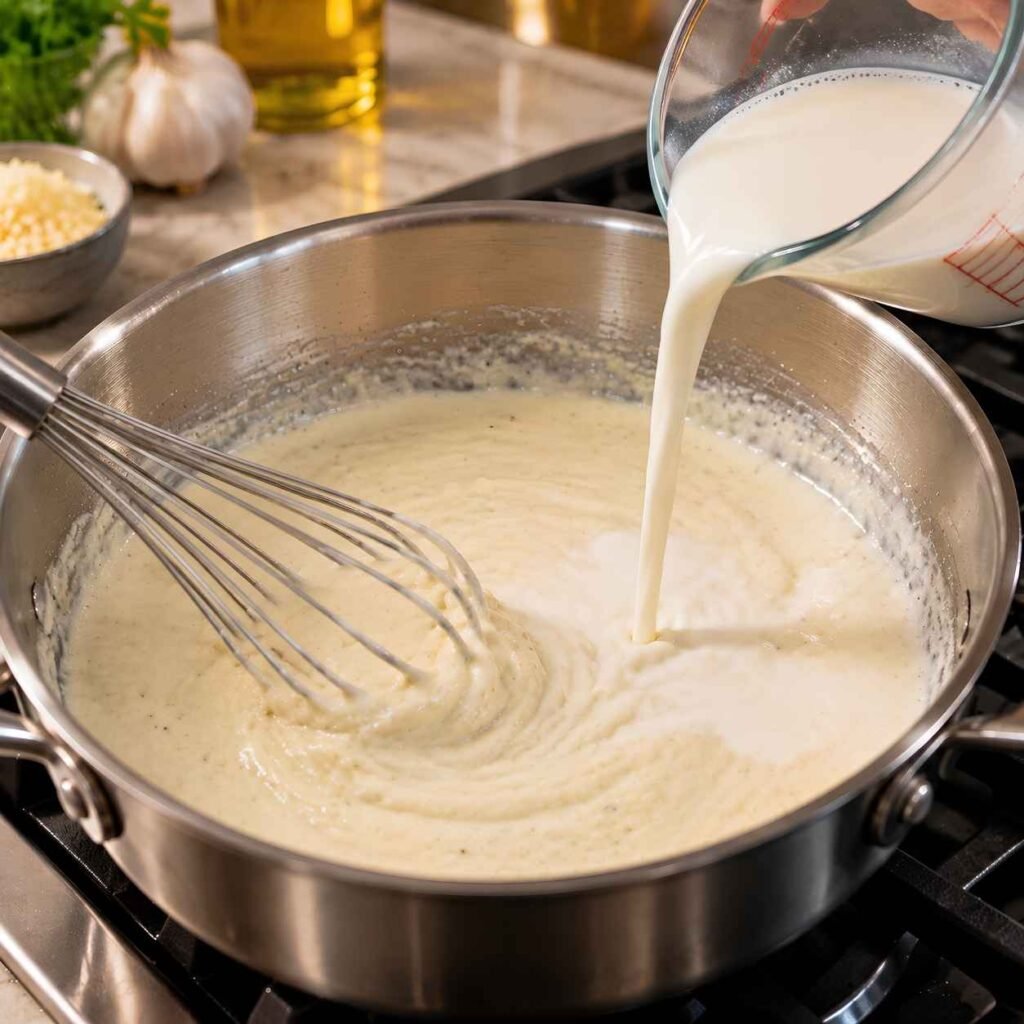
Step 4: Whisk in the Milk. Pour in the warm milk in a thin, steady stream, whisking constantly. It will look thin at first and then thicken quite suddenly. Keep whisking for 4 to 5 minutes, scraping the base and corners of the pan, until it coats the back of a spoon and a finger drawn through leaves a clean line.
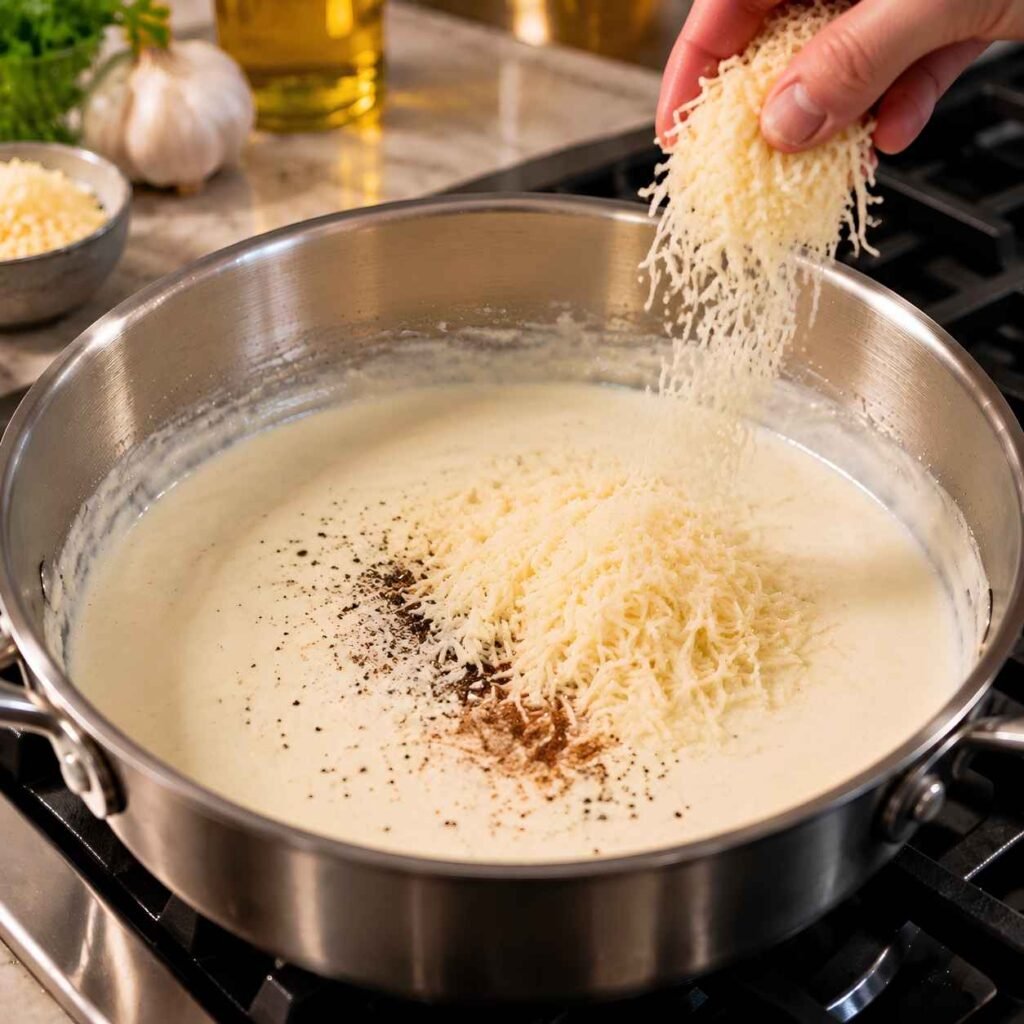
Step 5: Add the Cheese. Off the Heat: Take the pan off the burner and let it sit for 20 seconds, then whisk in the Parmesan a handful at a time along with the salt, pepper, and nutmeg.
Parmesan seizes if it goes into a simmering sauce. The flour here makes this sauce more forgiving than a cream-based one, but off the heat is still the reliable way to do it.
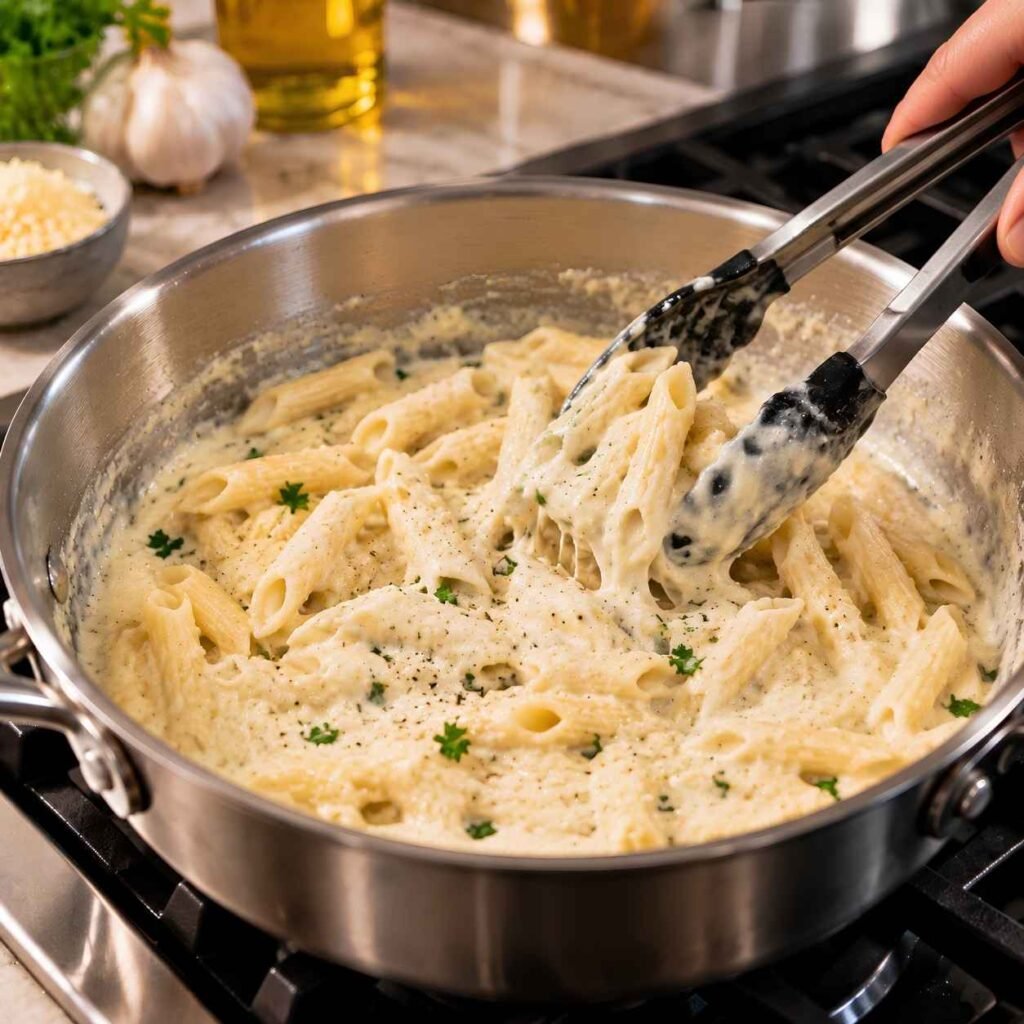
Step 6: Combine and Serve. Add the drained pasta directly to the sauce with a splash of the reserved pasta water and toss with tongs until every piece is coated. Keep adding pasta water a little at a time until it loosens and clings rather than sitting at the bottom of the pan. Taste and adjust the salt, then serve with parsley and extra Parmesan.
Pro Tips for the Ultimate Sauce
Small adjustments can take your white pasta sauce from good to absolute perfection.
Whisk constantly: Continuous whisking while adding the milk prevents lumps and ensures an evenly thickened sauce.
Garlic before the flour, not after. Melted butter is nowhere near as hot as a cooked roux. Garlic added to the roux burns in about twenty seconds, and burnt garlic in a sauce this plain has nothing to hide behind.
Keep the roux pale. One minute, no colour. A golden roux tastes nuttier and thickens less, both of which work against a white sauce. Save the golden one for gravy.
Equal butter and flour, always. Two tablespoons of each per cup of milk gives a pourable sauce; three of each per cup gives something thick enough to coat a lasagna. Once you know that ratio you never need the recipe again.
Take the pan off the heat before the cheese. The flour makes this more forgiving than a cream sauce, but Parmesan still seizes above a certain point, and residual heat melts it perfectly well.
Common Mistakes to Avoid
Adding the garlic after the roux. Most recipes give this order, and it is wrong. A cooked roux is well over two hundred degrees, and minced garlic dropped into it burns almost immediately. Butter first, then garlic, then flour.
Letting the roux go golden. A white sauce needs a white roux. A golden roux is for gravy; it makes the sauce beige, and it thickens less because the heat has broken down some of the starch.
Pouring in cold milk. It seizes the roux into lumps that no amount of whisking fully removes. Ninety seconds in the microwave solves it.
Using a spoon instead of a whisk. A spoon pushes lumps around the pan. A whisk breaks them up as they form, which is the only moment they can be dealt with.
Using skimmed milk. There is not enough fat to hold the Parmesan, so the sauce comes out thin and the cheese turns grainy. Whole milk, or semi-skimmed with a splash of cream.
Ways to Use It Beyond Pasta
A roux sauce is a base rather than a finished dish, which is most of the reason it is worth learning. It keeps for four days and freezes properly, so a batch covers several meals.
Mornay, which is this with more cheese. Add Gruyère alongside the Parmesan, and you have the classical cheese sauce, which is what goes over cauliflower cheese, croque monsieur, and macaroni.
Lasagna. Use three tablespoons each of butter and flour per cup of milk rather than two, which gives a thicker sauce that holds between layers instead of running out.
Over vegetables. Pour over steamed broccoli, cauliflower or leeks and brown under the grill for three minutes.
Chicken and broccoli bake. Toss the sauce with cooked pasta, shredded chicken and broccoli, top with more cheese, and bake at 375°F for 20 minutes.
What to Serve with White Pasta Sauce
This rich, comforting sauce pairs beautifully with a variety of dishes.
As a main course: Serve over pasta with a side salad and garlic bread for a complete meal.
As a topping: Use this sauce over grilled chicken, steamed vegetables, or baked potatoes.
Loaded style: Add sautéed mushrooms, spinach, or crispy bacon directly into the sauce for extra flavor and texture.
How to Store White Pasta Sauce
This is one of the few sauces that genuinely survives the freezer, which is worth knowing before you make a single batch.
In the Fridge: Store in an airtight container for up to 4 days.
In the Freezer: While cream-based sauces can separate slightly when frozen, you can freeze for up to 2 months and whisk well after reheating.
How to Reheat: Warm gently on the stovetop over low heat, whisking in a splash of milk to restore the sauce’s smooth texture.
Frequently Asked Questions
Can I make this sauce without flour? Yes, you can substitute cornstarch as a thickener, mixing it with a small amount of cold milk before whisking it into the warm milk.
Can I use a different cheese? Yes, a blend of Parmesan and mozzarella, or even Gruyère, can add extra richness and flavor variation.
Can I make this sauce ahead of time? Yes, the sauce can be made up to 2 days in advance and gently reheated with a splash of milk before serving with fresh pasta.
Final Thoughts
Learning a roux is worth more than learning this recipe, because once you have it you can make any quantity of white sauce without looking anything up. Equal butter and flour, two tablespoons of each per cup of milk for something pourable, three for something thick enough to hold in a lasagna. That is the whole formula.
Two things go wrong, and both happen in the first two minutes. The garlic goes in the butter before the flour, not after, because a cooked roux burns it almost on contact. And the roux stays pale because a golden one gives you a beige sauce that thickens less.