
Moist Lemon Loaf Cake Recipe | Homemade Lemon Syrup Glaze
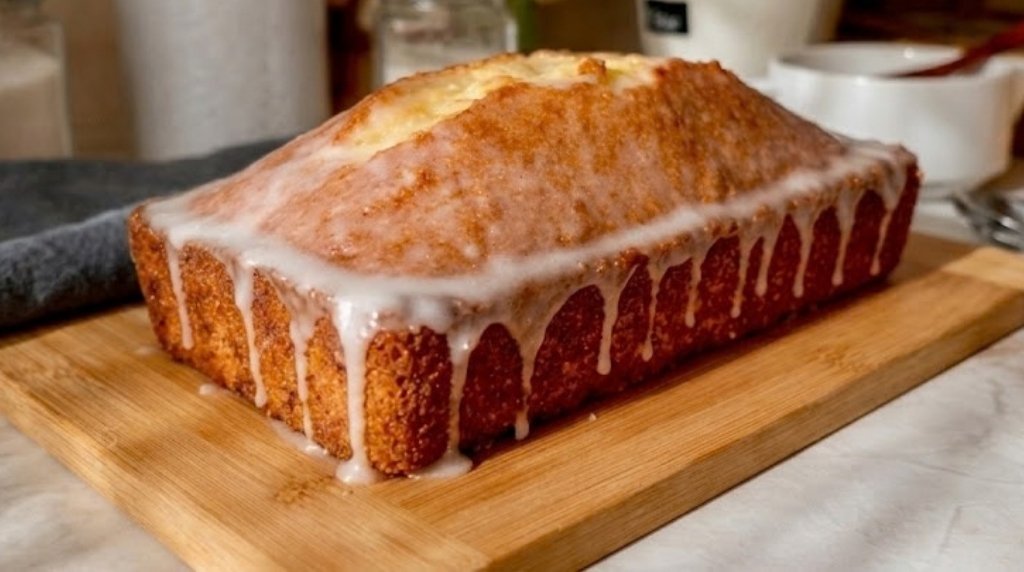
A good lemon loaf should have more than a pretty drizzle on top. The inside should stay soft and moist, with enough fresh lemon flavor to come through in every slice. This Moist Lemon Loaf Cake gets that texture from a simple combination of butter, sour cream, fresh lemon juice, and lemon zest.
The loaf is baked until lightly golden, then brushed with a homemade lemon syrup while it is still warm. Once cooled, a smooth lemon glaze is poured over the top, giving the cake the glossy finish and sweet-tart flavor that makes this loaf so hard to resist.
It works just as well with morning coffee as it does on a dessert table. And because it keeps well for several days, you can bake it ahead without worrying about it drying out.
Why You’ll Love This Lemon Loaf
Soft in the center: Sour cream adds moisture and gives the crumb a tender texture without making it heavy.
Real lemon flavor: Fresh zest and juice give the loaf a much brighter flavor than bottled lemon flavoring.
Two layers of lemon: The warm lemon syrup soaks into the cake while the glaze adds a sweet finish on top.
Easy loaf-pan recipe: No special decorating skills are needed. The glaze does most of the work.
Great for making ahead: Once covered properly, the loaf stays moist for several days.
Recipe Overview
| Detail | Amount |
|---|---|
| Prep Time | 20 minutes |
| Bake Time | 50–60 minutes |
| Total Time | About 1 hour 20 minutes |
| Servings | 10 slices |
| Pan | 9 × 5-inch loaf pan |
| Difficulty | Easy |
Ingredients
For the Lemon Loaf
- 1 ½ cups all-purpose flour
- 1 ½ teaspoons baking powder
- ¼ teaspoon salt
- 1 cup granulated sugar
- Zest of 2 medium lemons
- ½ cup unsalted butter, melted and slightly cooled
- 2 large eggs
- ½ cup sour cream
- ¼ cup fresh lemon juice
- ¼ cup whole milk
- 1 teaspoon vanilla extract
For the Lemon Syrup
- ¼ cup fresh lemon juice
- ¼ cup granulated sugar
For the Lemon Glaze
- 1 cup powdered sugar
- 2 tablespoons fresh lemon juice
- 1 teaspoon milk, if needed
Ingredient Notes
Fresh lemons: Use fresh lemons for both the zest and juice. The zest carries a lot of the lemon’s fragrant oils, while the juice gives the loaf its sharp citrus flavor.
Sour cream: This helps keep the crumb soft and moist. Plain full-fat Greek yogurt can be used in its place.
Butter: Melt the butter and let it cool slightly before adding it to the eggs.
Milk: A small amount loosens the batter without making it too thin.
Powdered sugar: Sift it if it has visible lumps so the finished glaze comes out smooth.
Equipment
- 9 × 5-inch loaf pan
- Parchment paper
- Two mixing bowls
- Whisk
- Rubber spatula
- Fine grater or zester
- Wooden skewer or toothpick
- Small saucepan
- Wire cooling rack
How to Make Moist Lemon Loaf Cake
Step 1: Prepare the Loaf Pan
Preheat the oven to 350°F (175°C).
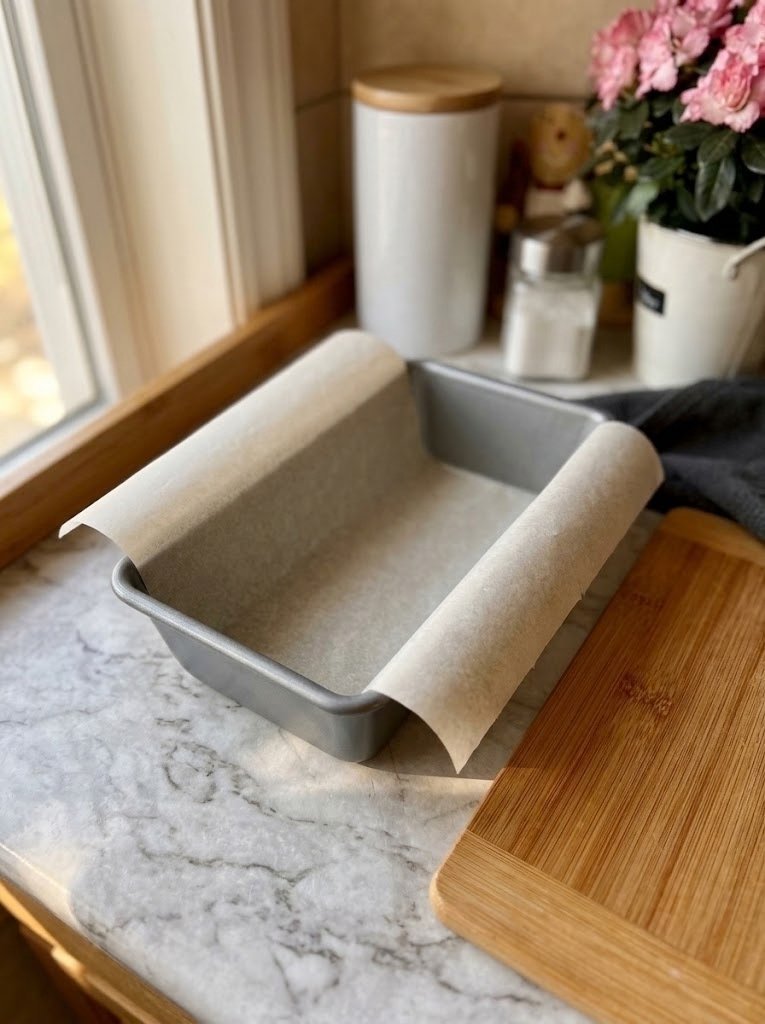
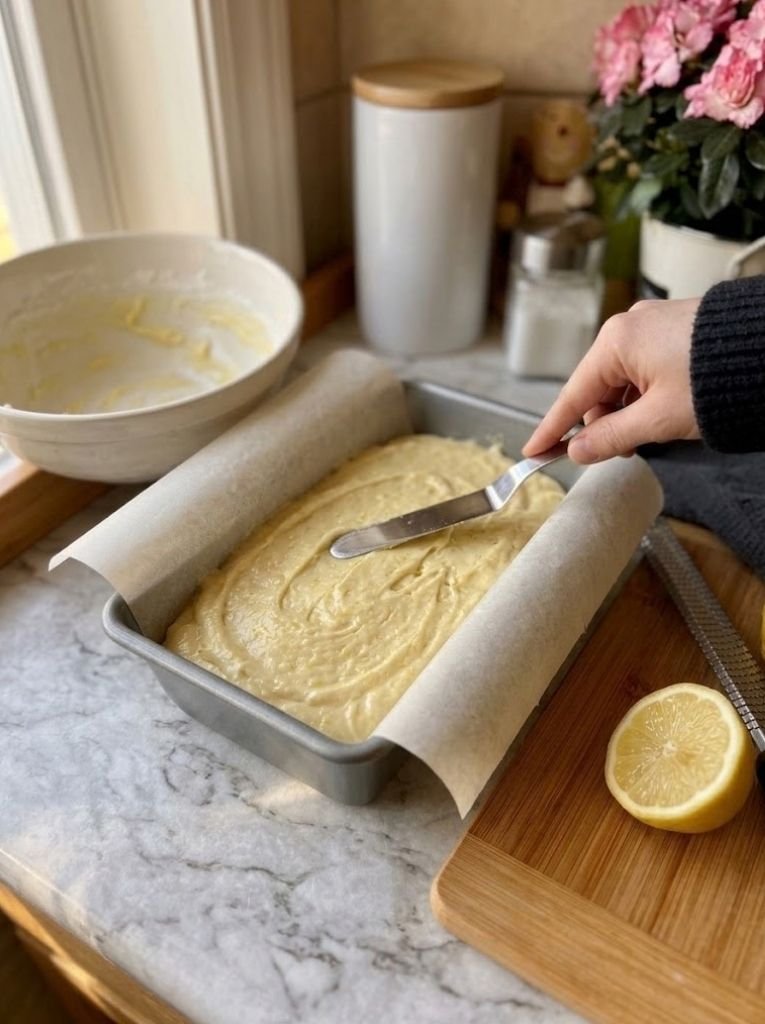
Grease a 9 × 5-inch loaf pan and line it with parchment paper, leaving some paper hanging over the long sides. This makes the finished loaf much easier to lift from the pan.
Set the prepared pan aside while you make the batter.
Small detail that helps: A parchment sling keeps the sides of the loaf from tearing when you remove it.
Step 2: Mix the Dry Ingredients
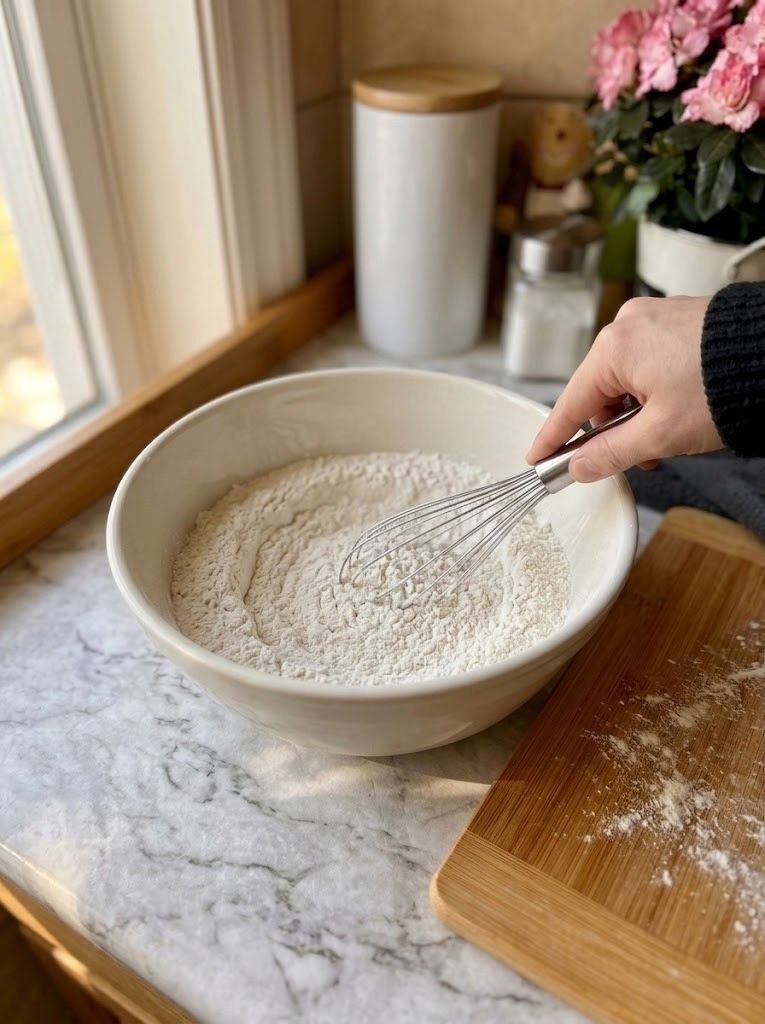
In a medium bowl, whisk together the flour, baking powder, and salt.
Set the bowl aside.
Keeping the dry ingredients separate at this stage helps distribute the baking powder evenly through the flour.
Step 3: Rub the Lemon Zest Into the Sugar
Add the granulated sugar and lemon zest to a large mixing bowl.
Rub them together with your fingertips for about 30 seconds until the sugar becomes fragrant.
This simple step releases the natural oils from the lemon zest and gives the batter a stronger citrus aroma

Step 4: Build the Wet Mixture
Add the melted, slightly cooled butter to the lemon sugar.
Whisk until combined.
Add the eggs one at a time, whisking after each addition. Then whisk in the sour cream, lemon juice, milk, and vanilla extract.
The mixture may look slightly thick at this point. That is fine.

Step 5: Combine the Batter
Add the dry ingredients to the wet mixture.
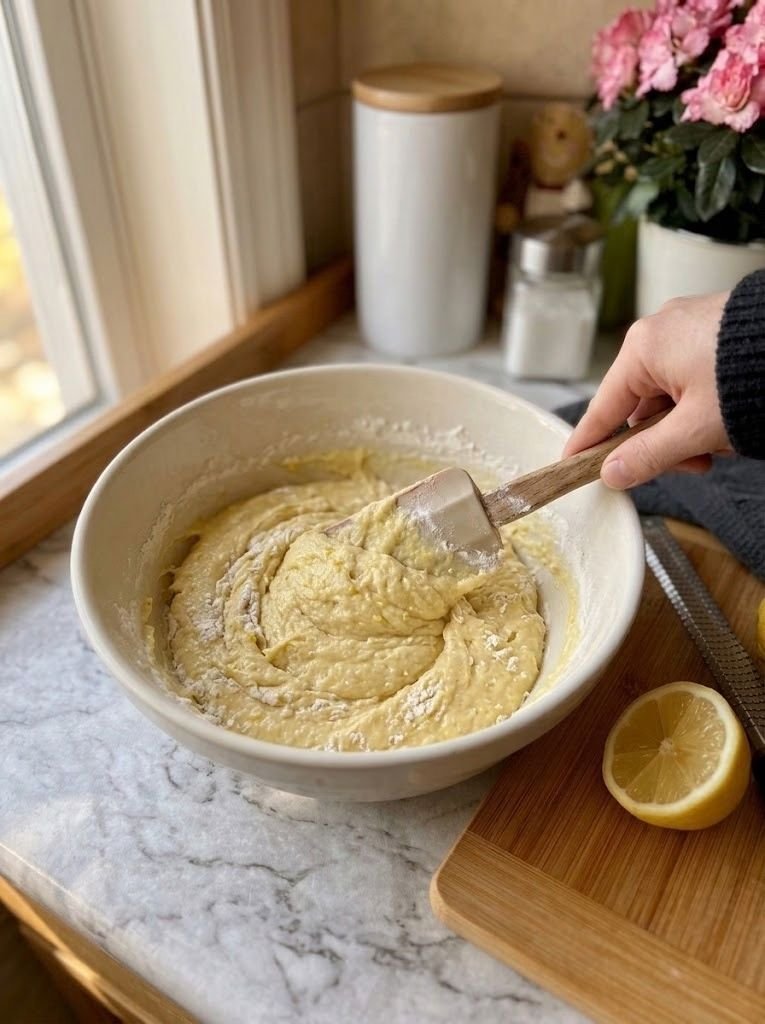
Use a rubber spatula to fold everything together just until no large streaks of flour remain.
Do not keep stirring once the flour has disappeared.
Watch the batter: Overmixing can develop too much gluten and make the finished loaf heavier instead of soft and tender
Step 6: Bake the Lemon Loaf
Pour the batter into the prepared loaf pan and smooth the top.
Bake at 350°F (175°C) for 50 to 60 minutes.
Start checking around the 50-minute mark. Insert a toothpick into the center. It should come out clean or with a few moist crumbs attached.
If the top begins browning too quickly while the center still needs time, loosely cover the loaf with foil for the remaining baking time.
Step 7: Make the Lemon Syrup
While the loaf is baking, combine the lemon juice and granulated sugar in a small saucepan.
Warm over medium-low heat, stirring until the sugar completely dissolves.
Remove from the heat.
There is no need to boil the syrup for a long time. You simply want the sugar dissolved into the lemon juice.

Step 8: Brush the Warm Loaf With Lemon Syrup
Let the baked loaf cool in the pan for about 10 minutes.
Use a wooden skewer to make several small holes across the top of the warm loaf.
Slowly brush or spoon the lemon syrup over the surface, giving it time to soak into the cake.
This is the step that gives the inside its extra lemon flavor and helps keep the crumb moist.
Allow the loaf to cool completely before glazing.

Step 9: Make the Lemon Glaze
Place the powdered sugar in a small bowl.
Add the fresh lemon juice and whisk until smooth.
The glaze should be thick enough to slowly fall from the spoon but still spread across the loaf.
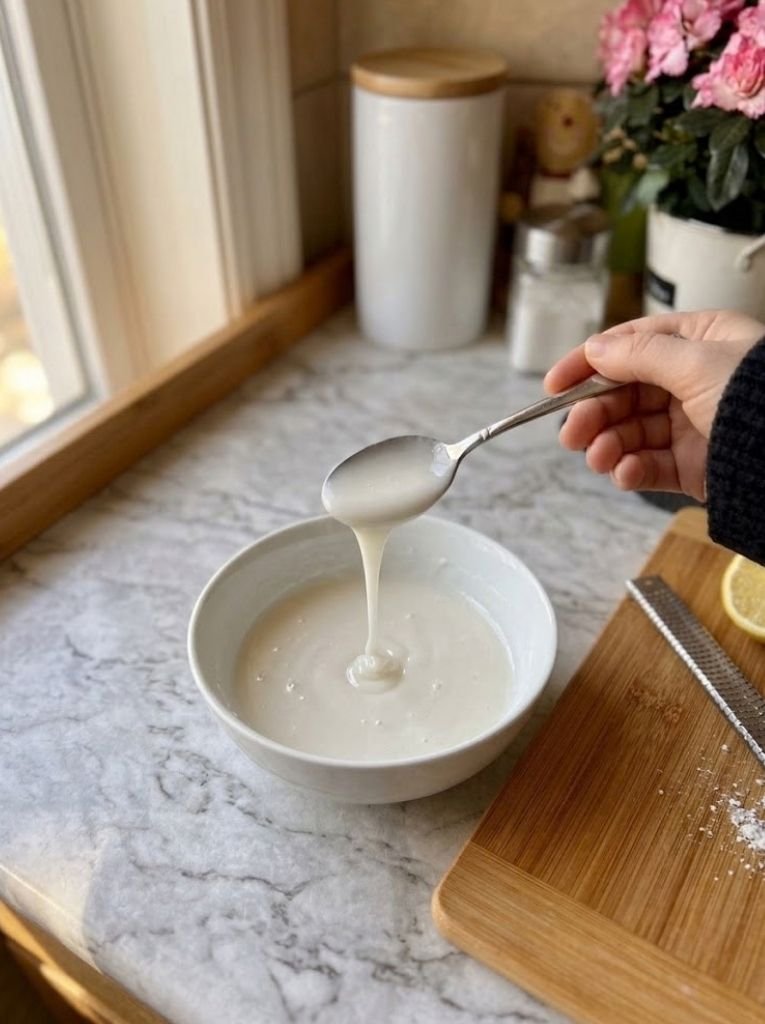
If it is too thick, add milk ½ teaspoon at a time. If it becomes too thin, add a little more powdered sugar.
Step 10: Glaze and Slice
Remove the completely cooled loaf from the pan and place it on a wire rack or serving board.
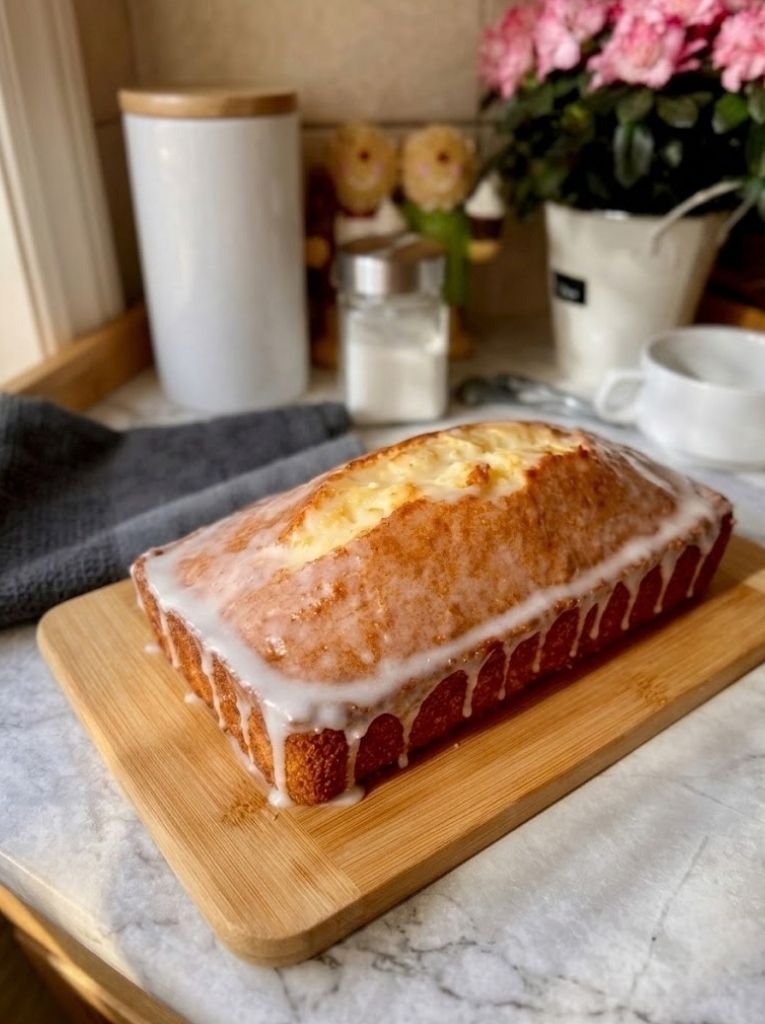
Pour the lemon glaze over the top and let it naturally drip down the sides.
Allow the glaze to set for about 15 to 20 minutes before slicing.
For clean slices, use a sharp serrated knife and wipe the blade between cuts.
Pro Tips for a Moist Lemon Loaf
Measure flour carefully. Too much flour is one of the easiest ways to turn a soft loaf dry.
Do not skip the lemon zest. Juice gives acidity, but zest brings much of the fresh lemon aroma.
Cool the butter first. Very hot butter can affect the eggs when they are mixed together.
Do not overmix. Once the flour is incorporated, stop folding.
Use the syrup while the loaf is warm. A warm crumb absorbs the lemon syrup more readily.
Let it cool before glazing. Putting glaze on a hot loaf can make it melt straight into the cake instead of sitting beautifully on top.
Common Mistakes
The loaf is dry
It may have baked too long or contained too much flour. Start checking around 50 minutes and remove it once the center tests done.
The center sank
The batter may have been underbaked, or the oven door may have been opened too early. Wait until the loaf has had enough time to set before checking it.
The glaze is running off
The loaf may still be warm, or the glaze may be too thin. Cool the cake completely and add a little more powdered sugar if needed.
The lemon flavor is weak
Fresh lemon zest makes a noticeable difference. Rub the zest into the sugar before mixing the batter to release more of its natural oils.
Easy Variations
Blueberry lemon loaf: Fold ¾ cup fresh blueberries into the finished batter.
Lemon poppy seed loaf: Add 1 tablespoon poppy seeds with the dry ingredients.
Coconut lemon loaf: Add ½ cup unsweetened shredded coconut to the batter.
Extra lemon: Add another teaspoon of finely grated lemon zest to the glaze.
How to Store Lemon Loaf
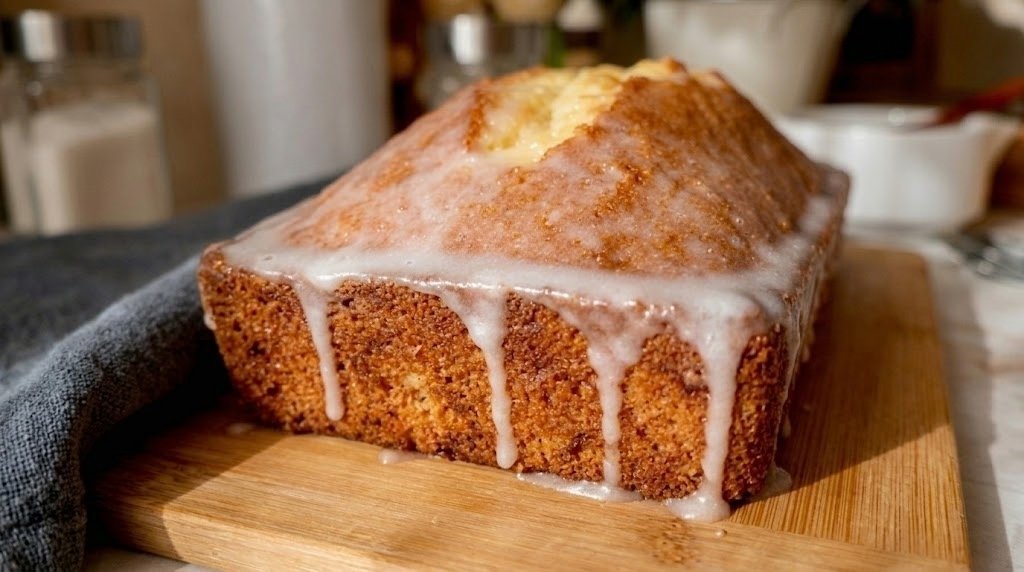
Keep the glazed loaf in an airtight container at room temperature for up to 3 days.
For longer storage, refrigerate it for up to 5 days. Let individual slices sit at room temperature for a few minutes before serving so the crumb softens again.
You can also freeze the loaf without the glaze. Wrap it tightly and freeze for up to 2 months. Thaw overnight in the refrigerator, bring it to room temperature, and glaze before serving.
Frequently Asked Questions
Can I use Greek yogurt instead of sour cream?
Yes. Use the same amount of plain full-fat Greek yogurt.
Can I make this lemon loaf without the syrup?
Yes, but the syrup adds extra moisture and lemon flavor. If you skip it, let the loaf cool completely before adding the glaze.
Why did my lemon loaf crack on top?
A crack along the center is normal for a loaf cake. As the batter rises and sets, the top can naturally split.
Can I use bottled lemon juice?
Fresh lemon juice is recommended because it gives the loaf and glaze a cleaner citrus flavor.
How do I keep the glaze white and thick?
Make sure the loaf is completely cool before glazing, and add the lemon juice gradually to the powdered sugar rather than adding all of it at once.
Final Thoughts
This lemon loaf is all about getting the little details right: plenty of fresh zest, a tender sour-cream crumb, warm lemon syrup, and a thick glaze that settles into glossy drips along the sides.
Let the syrup do its work while the cake is warm, then give the loaf enough time to cool before adding the glaze. Once sliced, you should have a soft golden crumb with a fresh lemon flavor running through the center and a sweet citrus finish on top.
Serve it with coffee, tea, or simply cut yourself a slice when the craving hits.
1 ½ teaspoons baking powder
¼ teaspoon salt
1 cup granulated sugar
Zest of 2 medium lemons
½ cup unsalted butter, melted and slightly cooled
2 large eggs
½ cup sour cream
¼ cup fresh lemon juice
¼ cup whole milk
1 teaspoon vanilla extract
¼ cup granulated sugar
2 tablespoons fresh lemon juice
1 teaspoon milk, if needed