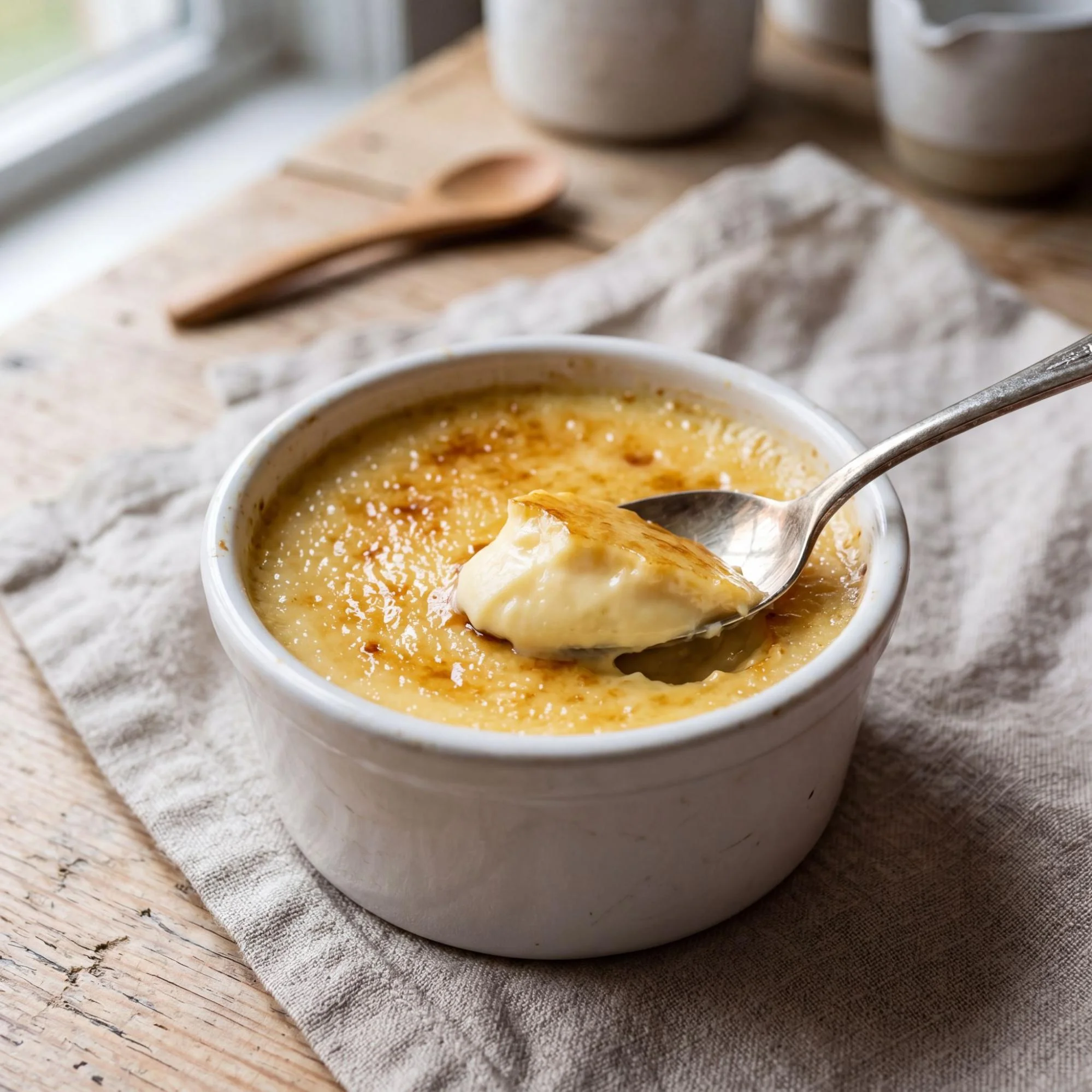
Old Fashioned Egg Custard Recipe: Classic, Creamy, and Comforting Dessert
There is nothing quite like a homemade old fashioned egg custard made with simple ingredients and traditional flavors. This classic dessert is smooth, creamy, and lightly sweet with a rich vanilla taste that feels comforting from the very first bite.
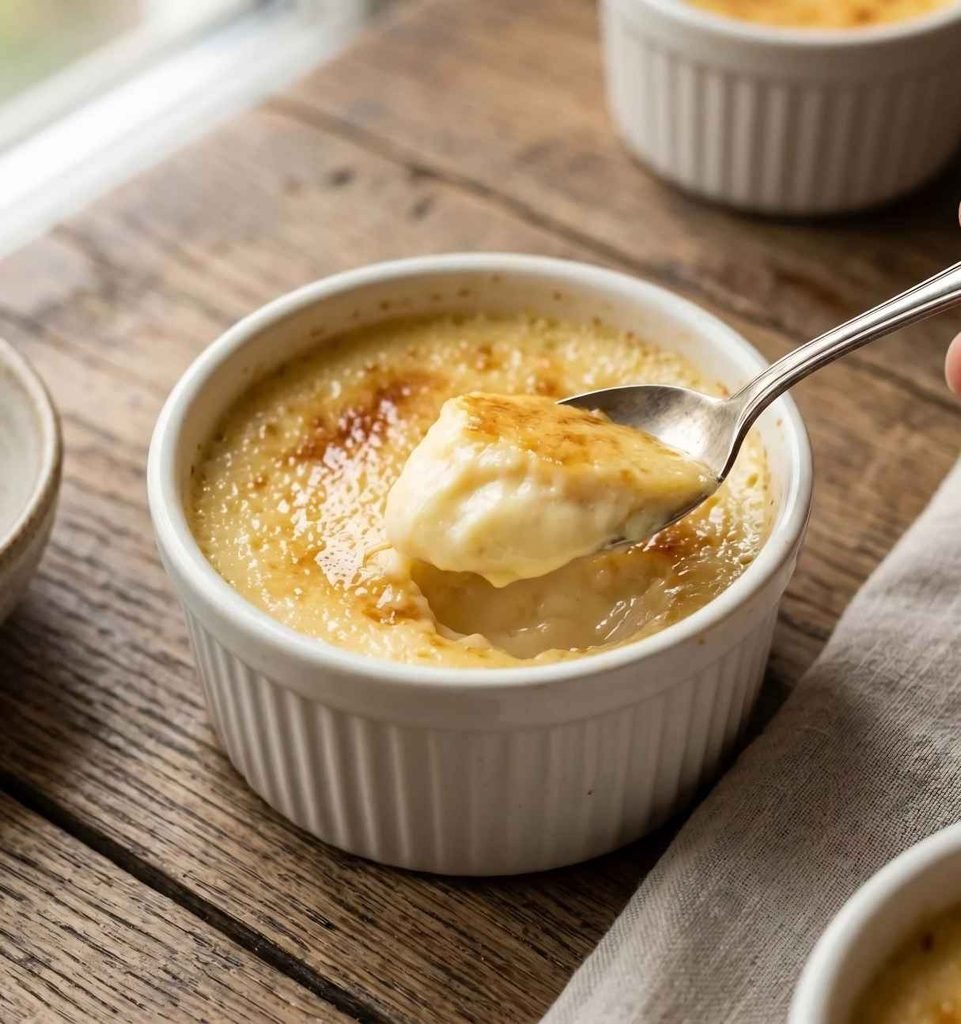
Made with fresh eggs, milk, sugar, and vanilla, this baked custard creates a silky texture with a delicate golden top. It is an easy dessert that brings the nostalgic feeling of old family recipes while still being simple enough for everyday baking.
Whether you serve it after dinner, during holidays, or enjoy it as a cozy afternoon treat, this classic egg custard recipe is a timeless dessert everyone will love.
In this guide, you’ll learn how to make old fashioned egg custard step by step, along with helpful tips to achieve a perfectly creamy texture every time.

Why Make Old Fashioned Egg Custard at Home?
Making homemade egg custard is a simple way to enjoy a classic dessert with better flavor and texture than many store-bought versions. With just a few basic ingredients, you can create a creamy baked custard that feels comforting, nostalgic, and special.
This old fashioned egg custard is:
- Creamier and fresher: Homemade custard has a smooth texture and rich flavor that packaged desserts cannot match.
- Made with simple ingredients: You only need eggs, milk, sugar, and vanilla to create this classic treat.
- Easy to customize: Add nutmeg, cinnamon, caramel, or fresh fruit to create your favorite variation.
- Perfect for any occasion: Serve it for family dinners, holidays, or as a relaxing homemade dessert.
- Budget-friendly: A delicious dessert made with affordable everyday ingredients.
The slow baking method creates a silky texture while allowing the flavors to blend beautifully. Once you taste homemade custard, you’ll understand why this traditional dessert has stayed popular for generations.
History of Egg Custard
Egg custard is one of the oldest traditional desserts, with roots going back hundreds of years in European kitchens.
Early versions were made using simple ingredients like eggs, milk, and sugar because these ingredients were affordable, easy to find, and naturally created a rich creamy texture.
Over time, different regions developed their own versions of custard. French cuisine introduced elegant variations like crème brûlée, while British and American kitchens became known for simple baked custards served in individual dishes.
Ingredients for Old Fashioned Egg Custard
This classic egg custard recipe uses simple ingredients, but each one plays an important role in creating a smooth, creamy, and perfectly set dessert.
Eggs
Eggs are the foundation of this custard. They help create the rich texture and allow the dessert to set properly during baking.
Whole Milk
Whole milk creates the smooth and creamy consistency that makes traditional custard so comforting. For a richer version, you can replace some milk with cream.
Granulated Sugar
Sugar adds sweetness while balancing the richness of the eggs and milk.
Vanilla Extract
Vanilla gives the custard its classic homemade dessert flavor and enhances the creamy taste.
Salt
A small amount of salt helps balance the sweetness and brings out the other flavors.
Nutmeg or Cinnamon (Optional)
Traditional spices like nutmeg and cinnamon add warmth and a classic old fashioned finish.

Ingredient Substitutions
- Milk: Use half-and-half or a milk and cream mixture for extra richness.
- Dairy-Free Option: Unsweetened almond, oat, or soy milk can be used, but texture may vary.
- Vanilla: Vanilla bean paste can replace vanilla extract for a stronger flavor.
- Sweetener: Brown sugar can be used for a deeper caramel-like taste.
Step-by-Step Old Fashioned Egg Custard Recipe
Follow these simple steps to make a smooth, creamy, and perfectly baked old fashioned egg custard at home.
Step 1: Preheat the Oven and Prepare the Water Bath
Preheat your oven to 325°F (163°C). Place a large baking dish inside the oven and carefully add hot water to create a water bath.
The water bath helps the custard cook gently and evenly, preventing cracks and keeping the texture smooth and creamy.

Step 2: Whisk the Eggs and Sugar
In a mixing bowl, combine the eggs, sugar, and salt. Whisk gently until the mixture becomes smooth and well combined.
Avoid whisking too aggressively because too much air can create bubbles on the surface of the custard.

Step 3: Warm the Milk
Heat the milk in a saucepan over medium-low heat until it becomes warm and slightly steaming.
Do not allow the milk to boil. Overheated milk can affect the egg mixture and make the custard texture uneven.
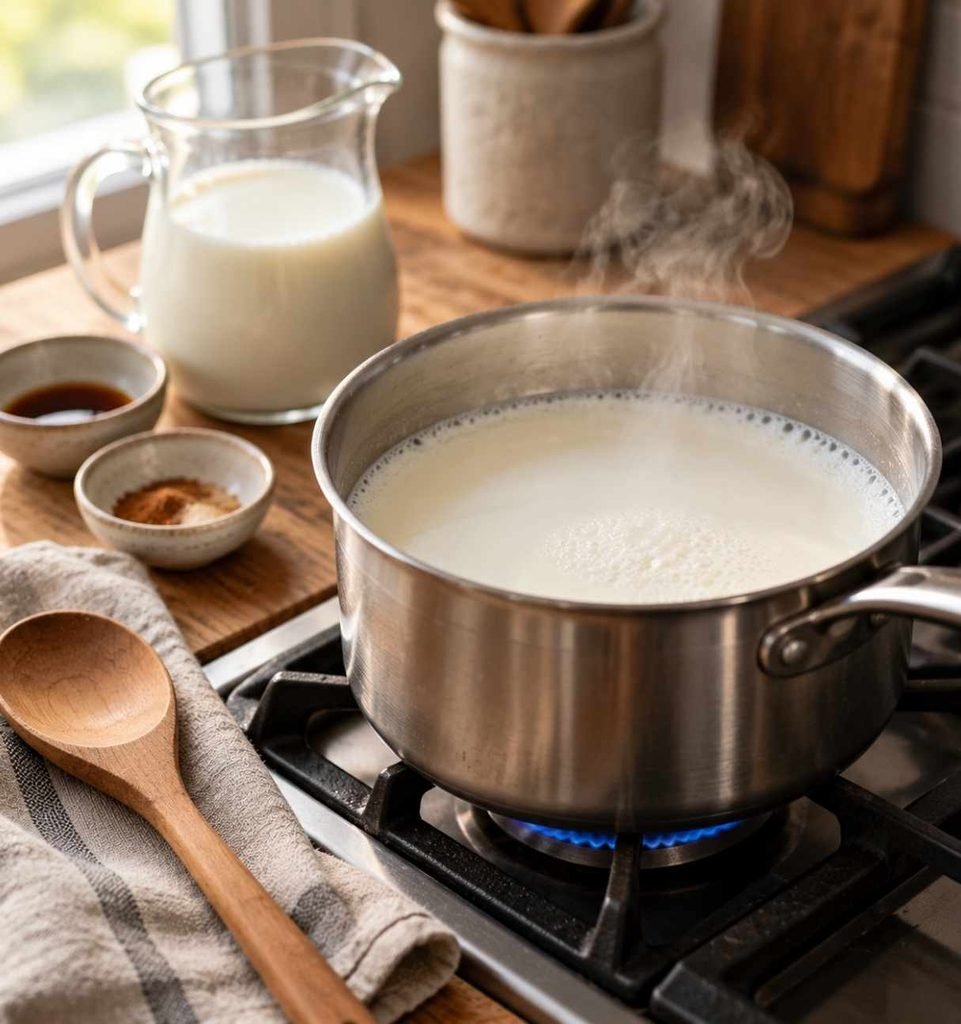
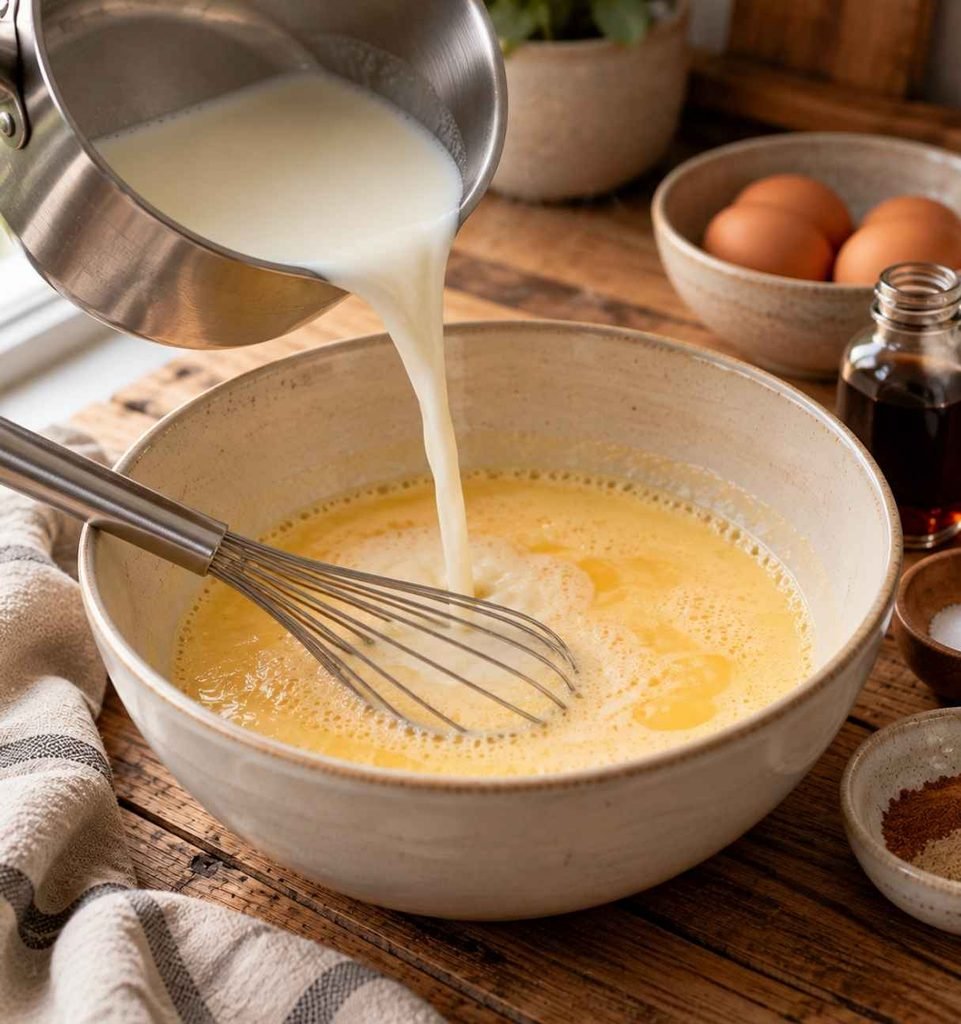
Step 4: Temper the Egg Mixture
Slowly pour the warm milk into the egg mixture while whisking continuously.
This gradual process gently raises the temperature of the eggs and prevents them from scrambling. Add vanilla extract and mix until combined.
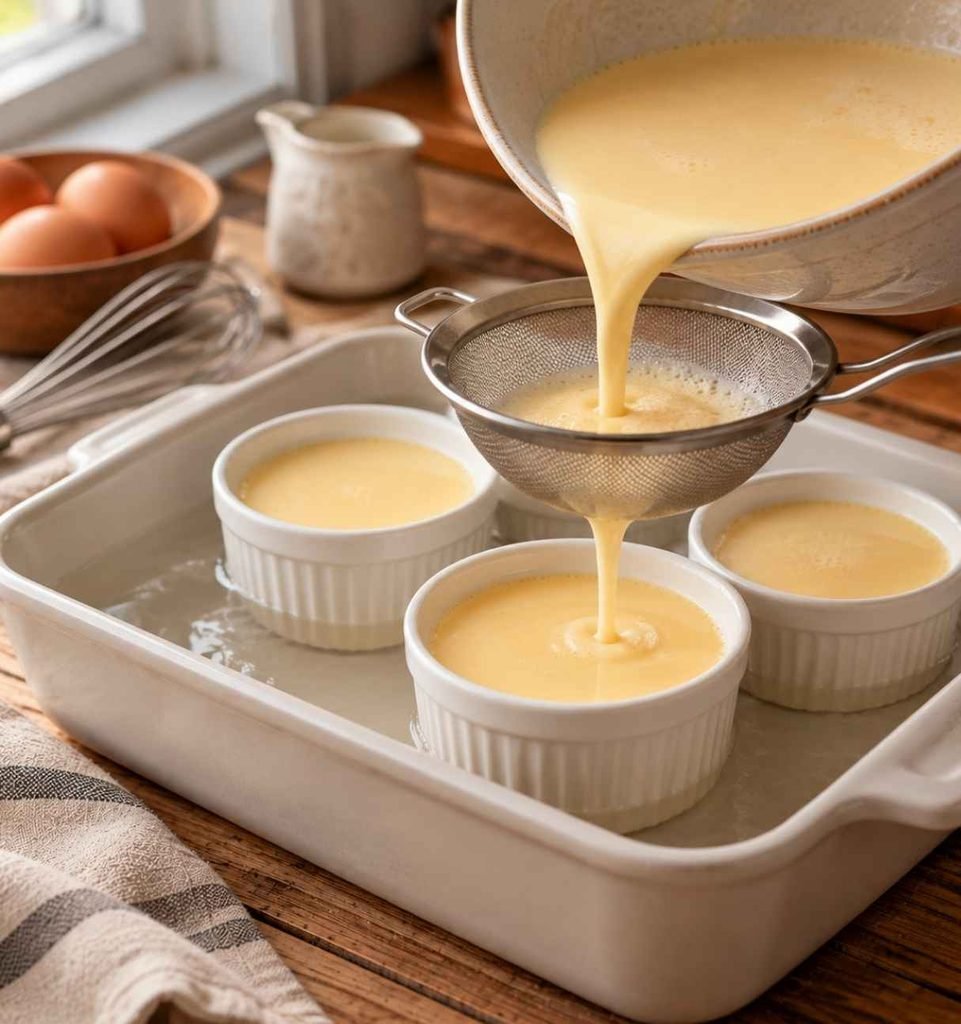
Step 5: Pour Into Ramekins
Strain the custard mixture through a fine mesh strainer for an extra smooth texture.
Divide evenly between 4–6 ramekins and carefully place them into the prepared water bath.
Step 6: Bake Until Set
Bake for 35–45 minutes, or until the custard edges are set while the center still has a slight wobble.
Do not wait until the center is completely firm because the custard will continue setting as it cools.

Step 7: Cool and Chill
Remove the ramekins from the water bath and let them cool at room temperature for 15–20 minutes.
Refrigerate for at least 2 hours before serving. Chilling allows the custard to fully set and develop its creamy texture.
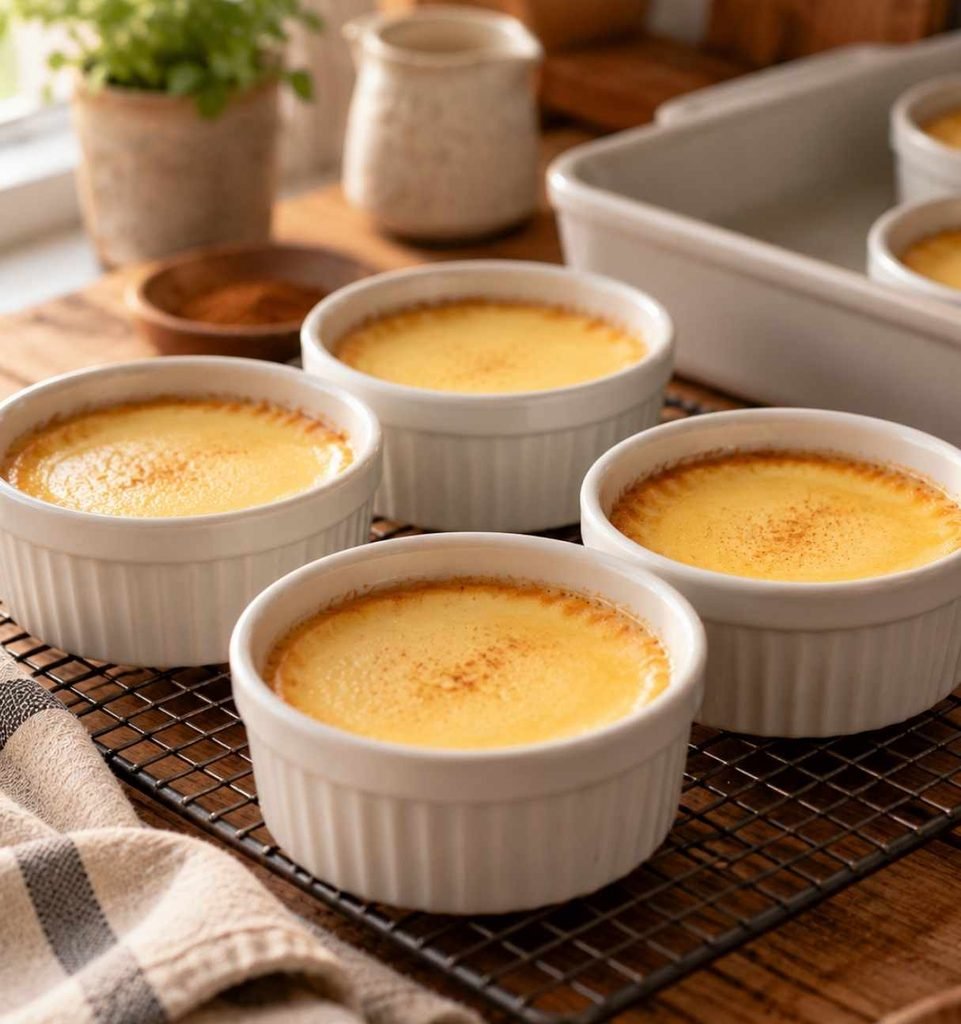
Step 8: Add Toppings and Serve
Before serving, sprinkle the custard with nutmeg or cinnamon for a traditional finish.
For a special variation, add caramelized sugar on top for a crème brûlée-inspired dessert.
Variations of Old Fashioned Egg Custard
One of the best things about homemade egg custard is how easy it is to customize. Once you master the classic version, you can add different flavors and toppings to create a new dessert every time.
Caramel Egg Custard
Add caramel sauce to the bottom of ramekins before pouring in the custard mixture. The caramel melts into the custard while baking, creating a rich and sweet flavor.
Chocolate Egg Custard
Mix cocoa powder or melted chocolate into the warm milk before combining it with the eggs. This creates a smooth chocolate version with a deeper dessert flavor.
Fruit-Infused Custard
Add fruit puree such as strawberry, raspberry, or mango for a fresh and colorful twist. This variation works especially well during warmer months.
Dairy-Free Egg Custard
Replace regular milk with unsweetened almond milk, oat milk, or soy milk. The texture may be slightly lighter, but it still creates a delicious dessert.
Spiced Custard
Add extra warmth with cinnamon, cardamom, pumpkin spice, or a little extra nutmeg for a cozy seasonal version.

Pro Tips for Perfect Old Fashioned Egg Custard
Making creamy egg custard is simple, but a few small techniques can make a big difference in the final texture and flavor.
Use Fresh Eggs
Fresh eggs create a richer flavor and smoother custard texture.
Warm Milk Slowly
Heat the milk gently and never let it boil. Hot milk can cook the eggs too quickly and create lumps.
Always Use a Water Bath
A water bath provides gentle heat and helps the custard bake evenly without cracking.
Whisk Gently
Avoid whipping too much air into the mixture. Too many bubbles can create an uneven surface.
Do Not Overbake
The center should still have a slight wobble when removed from the oven. It will continue setting while cooling.
Chill Before Serving
Allowing the custard to chill improves the texture and gives it a richer creamy consistency.
Common Custard Mistakes To Avoid
Boiling The Milk
Avoid overheating milk because it can cause the eggs to curdle when mixed.
Skipping The Water Bath
Without a water bath, custard may cook unevenly and become grainy.
Overmixing The Eggs
Too much whisking creates extra air bubbles and affects the smooth texture.
Overbaking
Baking too long can make the custard firm instead of silky and creamy.
How to Store Egg Custard
Egg custard should be stored in the refrigerator in covered ramekins for up to 3 days. Avoid freezing, as the texture may become grainy and lose its creamy quality. Serve cold or slightly chilled for best results.

Serving Ideas for Egg Custard
Old fashioned egg custard can be served in many delightful ways:
- Classic: plain, chilled straight from the fridge
- Topped with berries or fruit compote
- Sprinkled with cinnamon or nutmeg
- With a caramelized sugar top for a crème brûlée effect
- Served alongside cookies or shortbread for an indulgent dessert
Custard is perfect for family dinners, holiday meals, or as a simple, comforting treat on a quiet afternoon.
Frequently Asked Questions
Why is my custard watery?
It may not have baked long enough, or the water bath was too shallow.
Can I use milk alternatives?
Yes, unsweetened almond, oat, or soy milk can be used, though flavor and texture may vary slightly.
Do I have to chill before serving?
Yes, chilling allows the custard to fully set and enhances its creamy texture.
Can I add flavors like coffee or liqueur?
Absolutely! Vanilla is classic, but a teaspoon of coffee extract or liqueur can add an interesting twist.
Final Thoughts
This old fashioned egg custard recipe proves that the simplest desserts can often be the most memorable. With just a few everyday ingredients, you can create a smooth, creamy dessert with a traditional homemade flavor that feels both comforting and special.
The gentle baking process creates the perfect custard texture, while the vanilla and warm spices bring a classic taste that has been loved for generations. Whether you serve it after a family meal, during the holidays, or as a simple weekend treat, this baked custard is always a delicious choice.
Once you try making this homemade egg custard from scratch, it may become one of your favorite go-to desserts. Save this recipe, share it with family, and enjoy a timeless classic that never goes out of style.
- 4 large eggs
- 2 cups whole milk
- 1/2 cup granulated sugar
- 1 teaspoon vanilla extract
- 1/4 teaspoon salt
- Nutmeg or cinnamon (optional)
- Preheat oven to 325°F (163°C) and prepare a water bath.
- Whisk eggs, sugar, and salt until smooth.
- Warm milk gently without boiling.
- Slowly add warm milk into eggs while whisking.
- Add vanilla and divide mixture into ramekins.
- Bake for 35–45 minutes until slightly set.
- Cool and refrigerate for at least 2 hours.
- Top with nutmeg or cinnamon before serving.
- Do not boil the milk to prevent curdling.
- Use a water bath for smooth and even baking.
- Do not overbake; the center should have a slight wobble.
- Chill completely for the best creamy texture.
- Store covered in the refrigerator for up to 3 days.