Panda Express Chow Mein Recipe
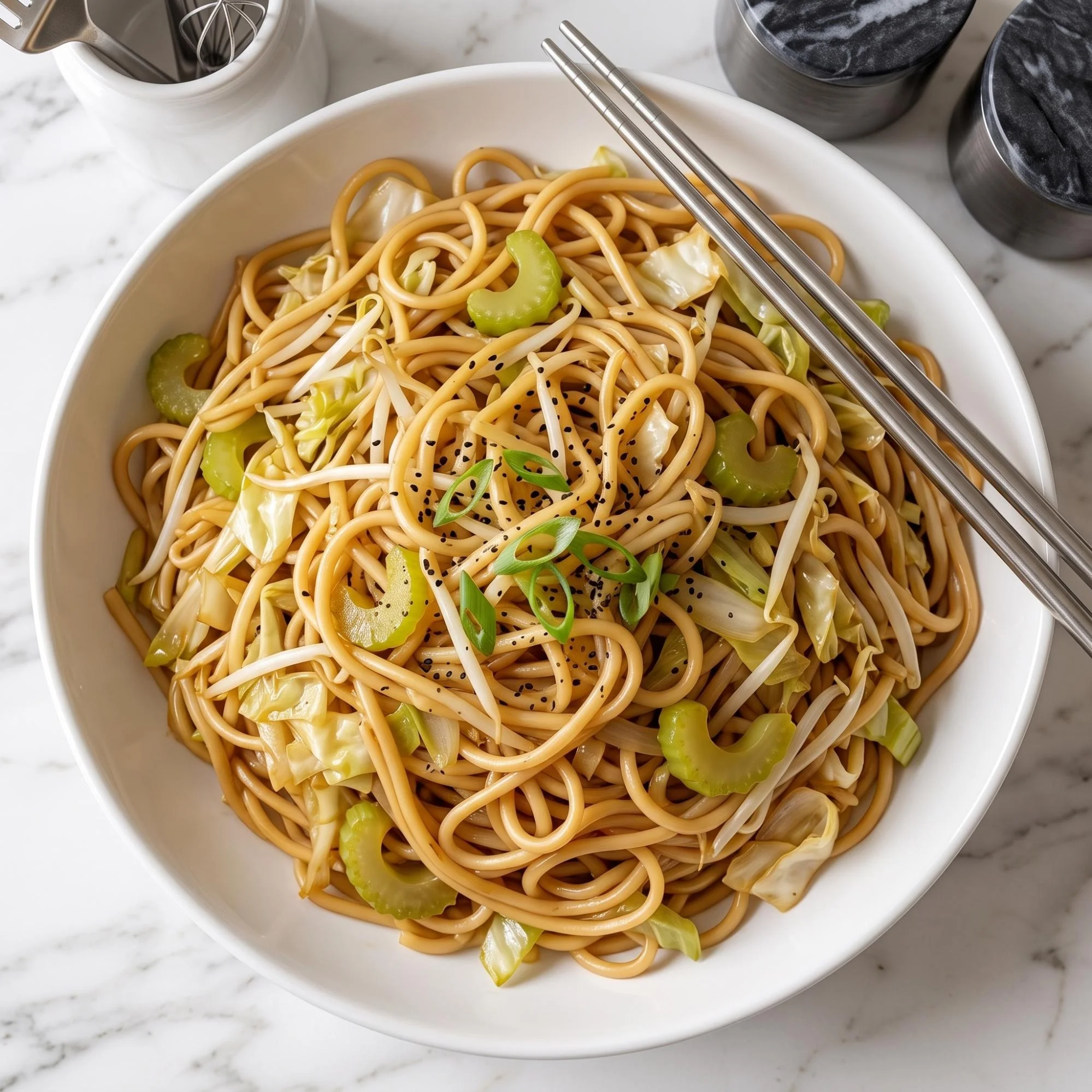
Panda Express chow mein is known for its savory noodles, tender cabbage, and crisp celery tossed together in a simple sauce. This homemade version brings those familiar takeout-style flavors together in one pan and comes together quickly enough for an easy weeknight meal.
The noodles are lightly stir-fried with fresh vegetables, then coated with soy sauce, oyster sauce, ginger, and a touch of brown sugar for a balanced savory finish.
Why You Will Love This Recipe
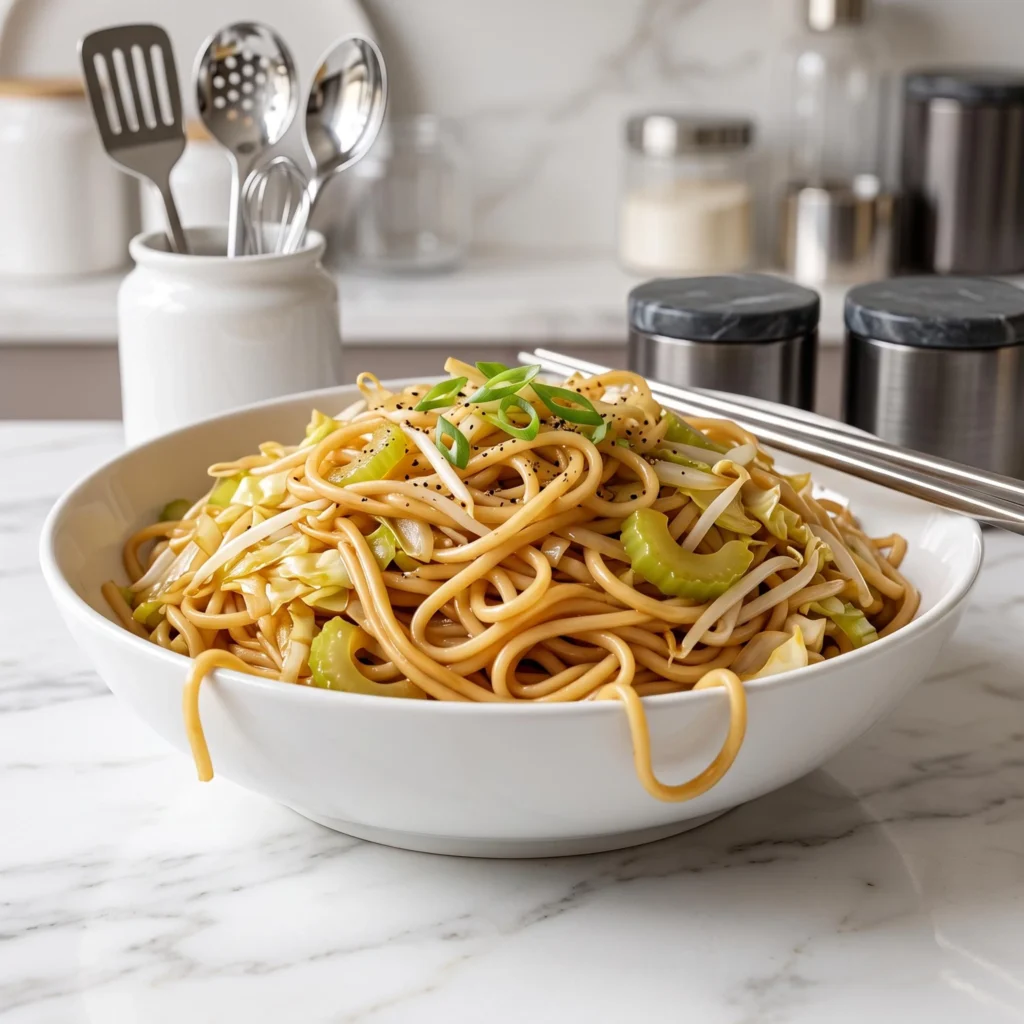
If you’ve been stuck in a rut of just calling for delivery or serving bland rice, you are going to fall in love with this method. This chow mein is:
- Texturally perfect: Tossing the chewy noodles with crisp celery and tender cabbage provides an incredibly satisfying contrast in every single bite.
- Highly customizable: You can easily load it up with juicy chicken breast, fresh broccoli florets, or a splash of toasted sesame oil.
- Made with basic staples: You only need fresh noodles, cabbage, celery, onion, and a simple savory sauce.
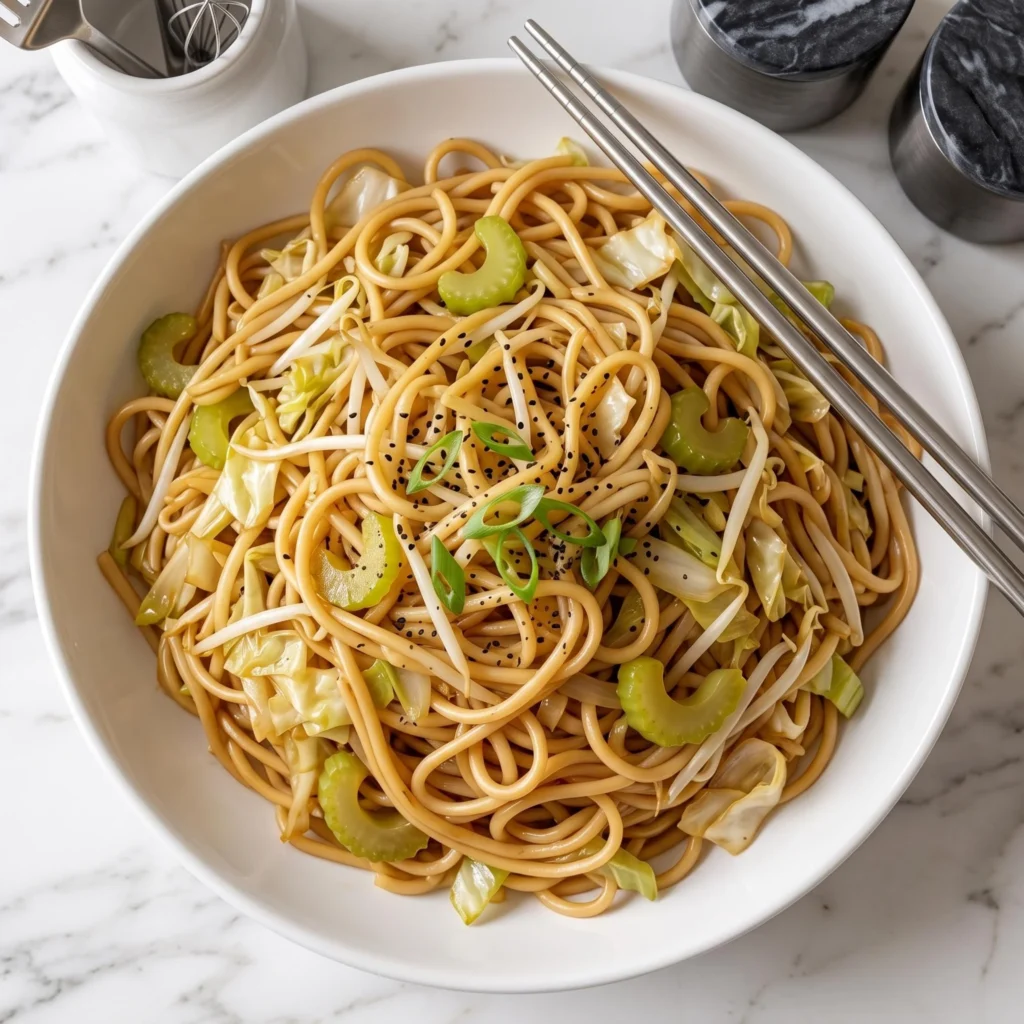
- Visually gorgeous: The vibrant mix of golden noodles and bright green veggies looks like it came straight out of a bustling wok kitchen.
Ingredients You Will Need
The beauty of this recipe lies in its sheer simplicity. To get that perfect takeout-quality flavor, you will need:
- 16 oz Yakisoba noodles (or dry chow mein noodles, boiled and drained)
- 2 cups green cabbage, thinly sliced
- 1/2 cup celery, thinly sliced on a diagonal
- 1/2 cup yellow onion, thinly sliced
- 3 tablespoons vegetable oil (divided)
- 2 tablespoons soy sauce (low sodium preferred)
- 1 tablespoon oyster sauce
- 1 teaspoon brown sugar
- 1/2 teaspoon freshly grated ginger
Step-by-Step Instructions for Panda Express Chow Mein
Follow these easy steps. I’ve broken them down into quick, bite-sized pieces so you can achieve maximum flavor without any kitchen stress.
- Step 1: Prep the Sauce. In a small bowl, whisk together the soy sauce, oyster sauce, brown sugar, and grated ginger. Set this savory mixture aside.
- Step 2: Prep the Noodles. If using fresh refrigerated Yakisoba noodles, rinse them under hot water to loosen them up and drain well. If using dry noodles, cook according to the package directions, then drain.
- Step 3: Stir-Fry the Veggies. Heat 1 tablespoon of vegetable oil in a large wok or skillet over medium-high heat. Add the sliced cabbage, celery, and onion. Toss and cook for 2 to 3 minutes until the vegetables are slightly tender but still crisp. Remove from the pan and set aside.
- Step 4: Sear the Noodles. Add the remaining 2 tablespoons of oil to the hot wok. Add the drained noodles, tossing them constantly for 2 to 3 minutes until they are heated through and slightly pan-fried.
- Step 5: Mix and Serve. Return the cooked vegetables to the wok with the noodles. Pour the prepared sauce over the top. Toss everything together vigorously for 1 to 2 minutes until the noodles are evenly coated and heated. Serve immediately!
Pro Tips for the Ultimate Chow Mein
Small adjustments can take your homemade noodles from good to absolute perfection.
- Don’t overcook the veggies: The signature of this dish is the crunch of the celery and cabbage. Keep your stir-fry time short so they retain their crisp texture.
- Use the right noodles: Refrigerated Yakisoba noodles offer the most authentic texture. If you can’t find them, regular dry chow mein noodles or even thin spaghetti work in a pinch.
- Get the wok hot: Ensure your pan is smoking hot before adding the oil and vegetables. This creates that classic “wok hei” flavor you expect from a restaurant.
What to Serve with Panda Express Chow Mein
This versatile, savory dish pairs beautifully with almost any protein or side.
- As a classic combo: Serve it alongside sticky orange chicken, crispy spring rolls, or savory beef and broccoli.
- As a light main: Top a large bowl with grilled teriyaki chicken or seared tofu for a complete, protein-packed meal.
- Loaded style: During the last minute of cooking, toss in a handful of fresh bean sprouts or a sprinkle of toasted sesame seeds for extra crunch!
How to Store Panda Express Chow Mein
- In the Fridge: Store the completely cooled noodles in an airtight container in the fridge for up to 4 days.
- How to Reheat: Please skip eating them cold! Instead, give the noodles a quick toss in a hot skillet with a splash of water, or zap them in the microwave for 45 seconds to bring that soft, savory texture right back.
- Avoid the Freezer: Freezing is not recommended. The cabbage and celery will become incredibly mushy, and the noodles may turn gummy once thawed.
Frequently Asked Questions
- Can I add meat to this recipe? Absolutely. Thinly sliced chicken breast, flank steak, or shrimp can be stir-fried in the wok right before cooking the vegetables.
- What is the best substitute for oyster sauce? If you have a shellfish allergy or prefer a vegetarian option, hoisin sauce or vegetarian mushroom stir-fry sauce are fantastic alternatives that still provide that dark, savory flavor.
- Can I prep this ahead of time? Yes! You can slice all the vegetables, mix the sauce, and prep the noodles up to 2 days in advance. When you are ready for dinner, the actual cooking time takes less than 10 minutes.
Final Thoughts
This Panda Express chow mein recipe is proof that making a show-stopping takeout classic doesn’t have to be complicated. With a quick chop, a hot wok, and a simple savory sauce, you get the ultimate comforting, flavorful bite every single time. Try it today, and I promise it’ll become a permanent favorite at your dinner table.