
Creamy Lemon Butter Garlic Sauce
Creamy Lemon Butter Garlic Sauce
Most cream sauces taste heavy by the fourth bite. This one does not, and the reason is the lemon.
Butter and cream coat your mouth. Acid cuts through that coating and resets your palate, which is why you can keep eating this over pasta or chicken without it feeling like too much.
The catch is that acid and cream fight each other. Add lemon juice to simmering cream and it curdles immediately, splitting into grainy lumps that will not come back together. The fix is simple and it is the one thing this recipe depends on: the lemon goes in off the heat, last.
Fifteen minutes, one pan, five ingredients you probably already have.
Why This Sauce Works
A good cream sauce is a balance of three things, and most homemade ones get one of them wrong.
Fat for body. Butter and heavy cream. This is what makes it cling to pasta instead of pooling at the bottom of the bowl.
Acid to cut through. Lemon juice and zest. Without it, the sauce tastes heavy and one-note after a few bites. This is the ingredient most cream sauces are missing.
Salt to make it readable. Parmesan brings most of it. Salt is what takes the butter and lemon from muted to clear.
The zest matters as much as the juice. Juice brings sharpness. Zest brings the actual lemon aroma, which lives in the oils in the peel rather than in the juice.

Ingredients
Makes about 1½ cups, enough for 6 servings or 1 lb of pasta
- 3 tablespoons unsalted butter
- 4 cloves garlic, minced
- 1 cup heavy cream
- ¼ cup Parmesan, grated from a block
- 2 tablespoons fresh lemon juice (about half a lemon)
- 1 teaspoon lemon zest
- ½ teaspoon salt, plus more to taste
- ¼ teaspoon black pepper
- 2 tablespoons fresh parsley, chopped
Ingredient Tips
Heavy cream only. Milk and half-and-half split far more easily against the lemon. Fat is what protects the sauce, and lower-fat dairy simply does not have enough of it.
Grate the Parmesan yourself. Bagged shredded cheese is coated in anti-caking starch that never dissolves, leaving the sauce slightly grainy.
Fresh lemon, not bottled. Bottled juice tastes dull and faintly metallic, and it has no zest. In an uncooked finish like this there is nothing to hide behind.
Unsalted butter. Parmesan is already salty. Salted butter plus Parmesan plus added salt usually overshoots.
Zest before you juice. Zesting a squeezed lemon half is awkward. Do it in the right order and it takes ten seconds.
Step-by-Step Instructions
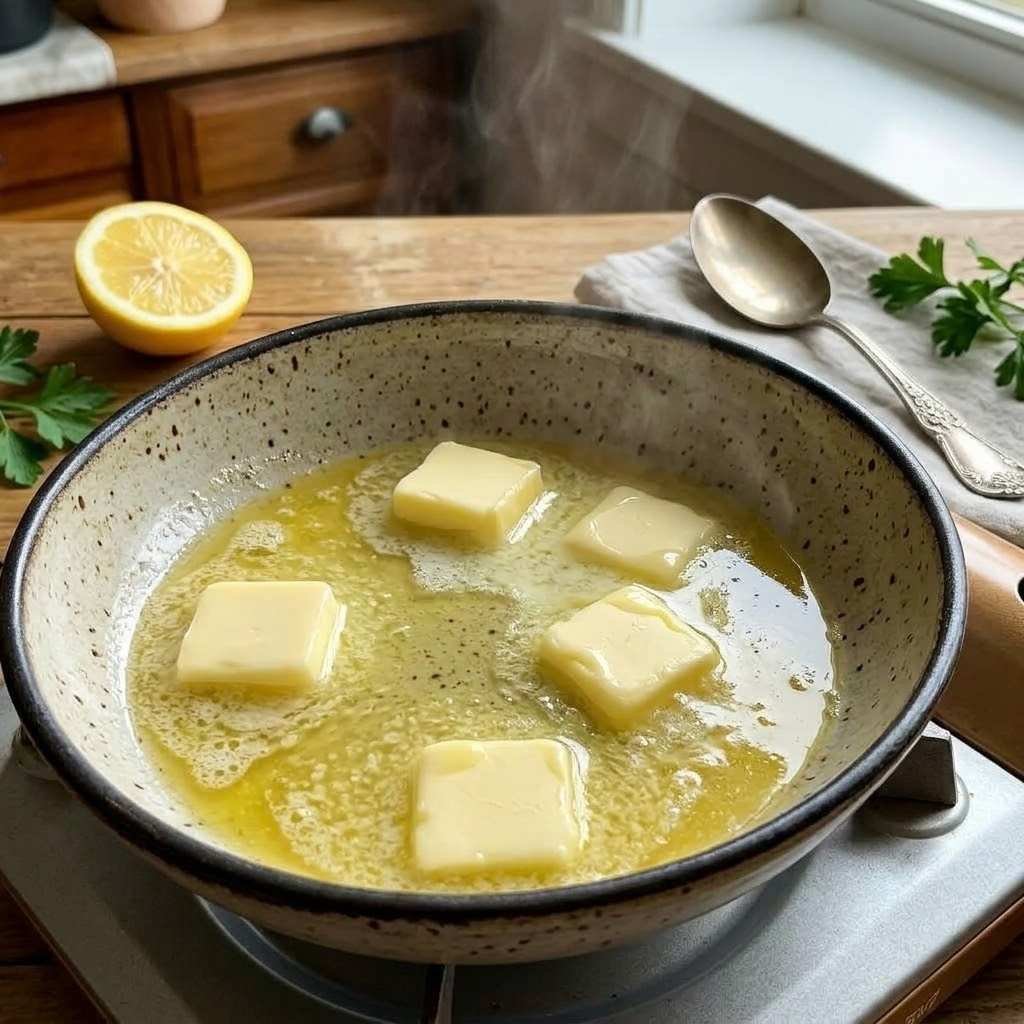
Step 1: Melt the Butter
Melt the butter in a saucepan or skillet over medium-low heat.
Let it melt gently rather than browning. Browned butter is good in other recipes, but here it changes the color and competes with the lemon
Step 2: Cook the Garlic Briefly
Add the minced garlic and cook for 60 seconds, stirring, until fragrant.
Watch it. Garlic turns bitter the moment it browns, and there is no fixing a bitter sauce afterward. The moment you can smell it clearly, move on.
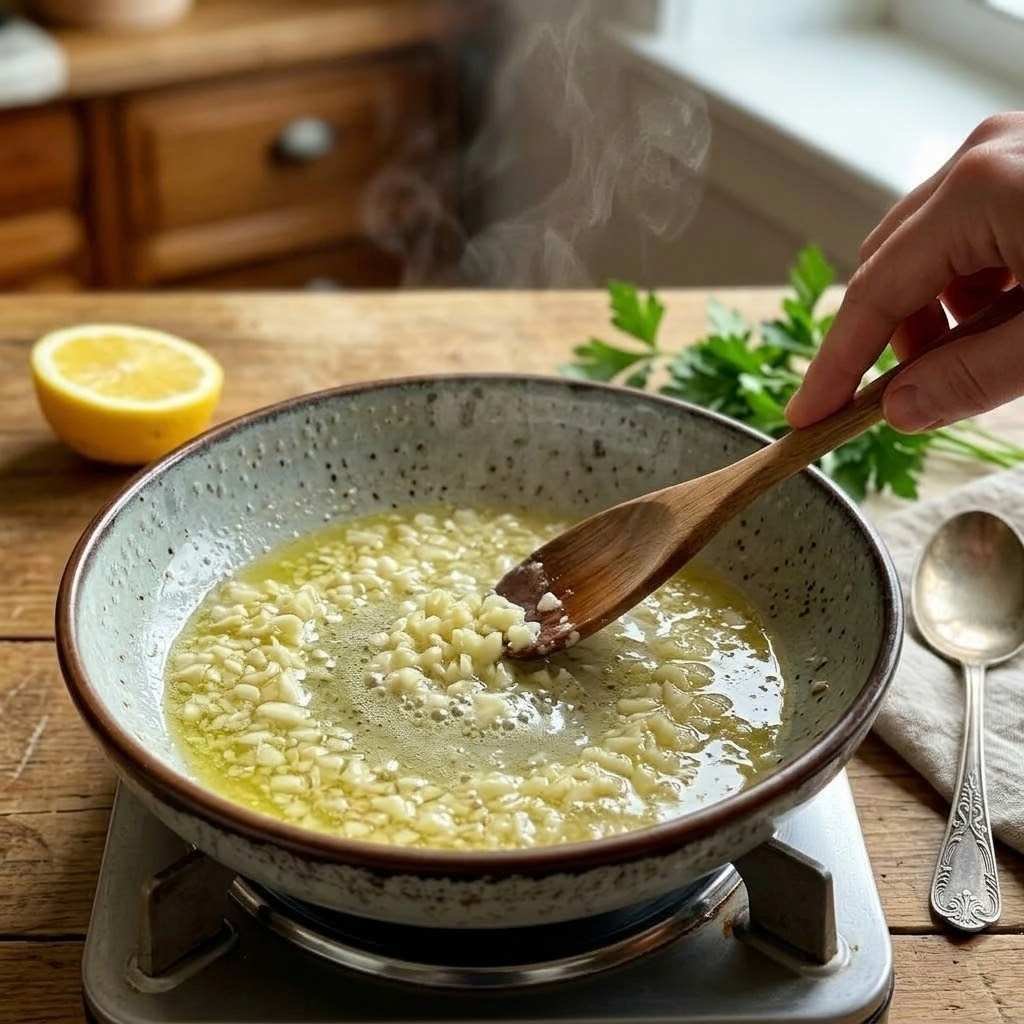
Step 3: Add the Cream and Simmer
Pour in the heavy cream and stir to combine.
Bring it to a gentle simmer, small bubbles at the edges rather than a rolling boil, and let it cook for 3 to 4 minutes until it thickens slightly and coats the back of a spoon.

Step 4: Take It Off the Heat
Pour in the heavy cream and stir to combine.
This is the step everything depends on. The next two ingredients both fail in a hot pan.

Step 5: Add the Parmesan
Add the Parmesan in two or three handfuls, stirring until each melts before adding the next.
Dumping it in all at once drops the temperature suddenly and clumps the proteins into stringy knots instead of melting smoothly.

Step 6: Add the Lemon
Stir in the lemon juice and zest.
Off the heat, the acid blends in smoothly. Added to a simmering pan it curdles the cream instantly, and once split it will not come back.

Step 7: Season and Finish
Taste, then add salt and pepper. Stir in the parsley.
If it needs more lemon flavor, add zest rather than more juice. Zest brings aroma without adding more acid for the cream to fight.
Use it immediately while warm.
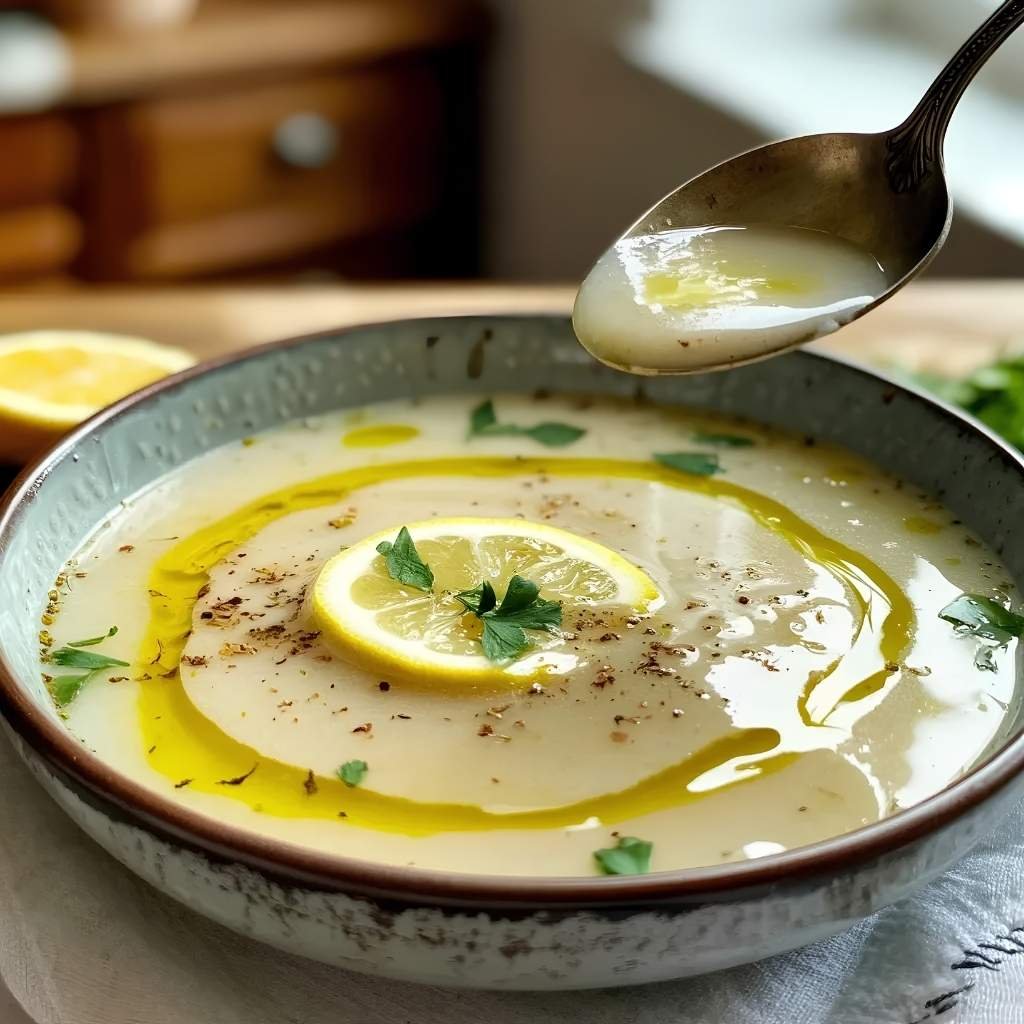
Lemon juice is acid. Acid curdles cream. Three rules keep it smooth.
Over pasta. Tossed with a pound of linguine or fettuccine, with a splash of pasta water to loosen it. This is the most common use and the one it was designed for.
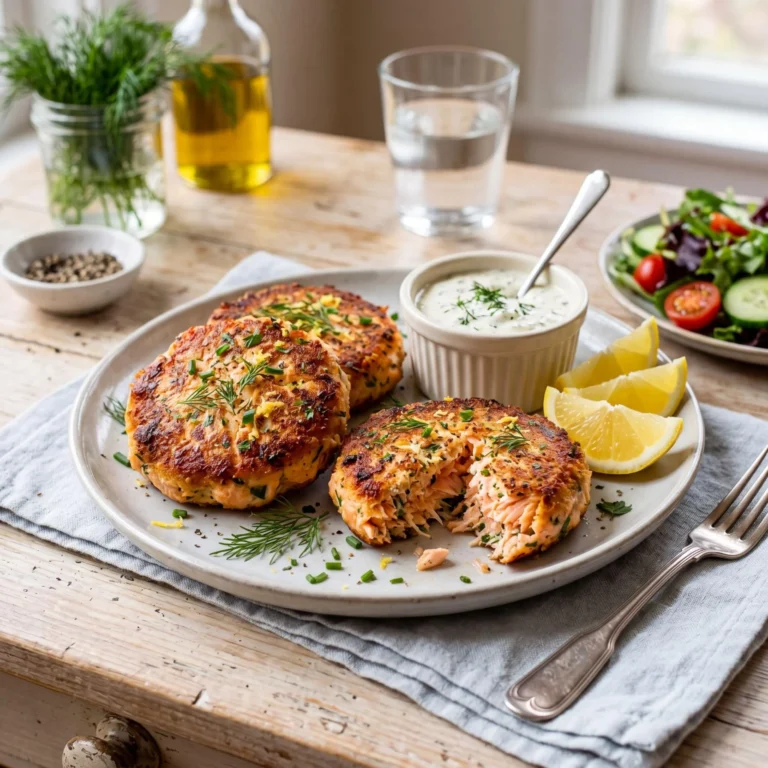
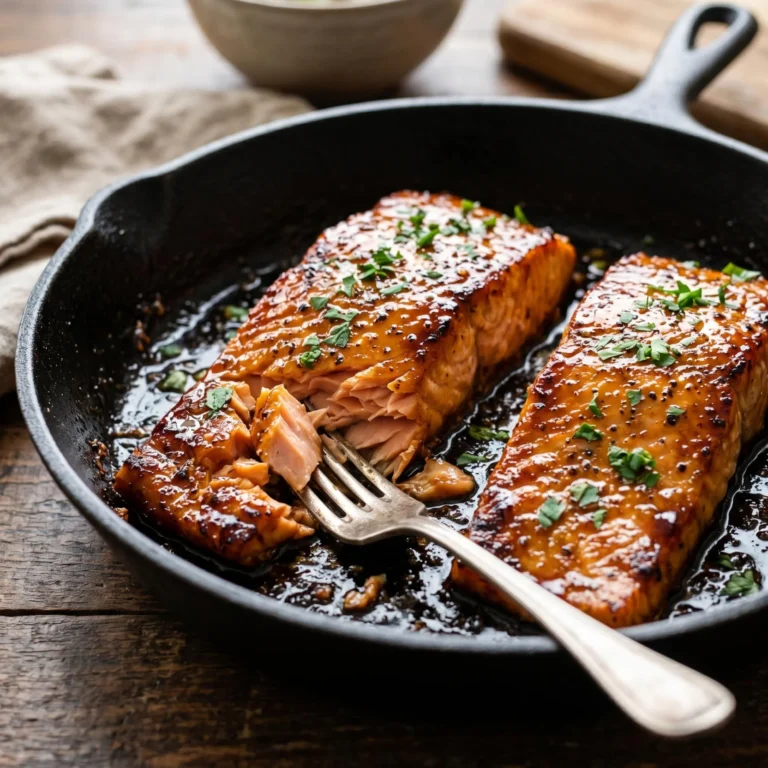
Spooned over fish. Salmon, cod, or halibut. The lemon works with fish the way it does with nothing else, and the sauce is rich enough to carry a lean fillet.
With chicken. Over seared chicken breast or thighs. Build the sauce in the same pan you cooked the chicken in and it picks up the browned bits.
Over vegetables. Roasted asparagus, broccoli, or green beans. A little goes a long way here.
As a dip. Thicker, with extra Parmesan, served warm with crusty bread. Works as an appetizer with almost no extra effort.
Over gnocchi or ravioli. Particularly good with spinach and ricotta filling, where the lemon lifts the whole thing.
Variations
Lighter. Replace half the cream with chicken broth. Thinner and less rich, and it needs an extra pinch of salt to compensate.
Herby. Add a teaspoon of chopped fresh thyme or dill with the parsley. Dill in particular works when the sauce is going over fish.
Spicy. A pinch of red pepper flakes with the garlic. Small amount, since the lemon is already doing sharp work.
Dairy-free. Full-fat coconut cream in place of heavy cream, and nutritional yeast instead of Parmesan. It tastes different rather than identical, but it holds together well.
Garlic-forward. Double the garlic and cook it slightly longer at lower heat until soft and sweet rather than just fragrant.
Sauce only, not including pasta or protein.
Storage and Reheating
Refrigerator. Up to 3 days in an airtight container. It thickens considerably when cold, which is normal.
Reheating. Low heat on the stovetop, stirring, with a splash of cream or milk to loosen it. Never let it boil, since reheating splits cream sauces exactly the way making them does.
Microwave. Works for a single portion at 50% power in 30-second bursts, stirring between each. Full power will separate it.
Do not freeze it. Cream sauces separate when frozen and thawed, and whisking will not bring them back. It takes fifteen minutes to make fresh.
Frequently Asked Questions
Why did my sauce curdle?
The lemon went in while the pan was still hot. Acid curdles cream on contact at simmering temperature. Pull the pan off the heat, wait ten seconds, then add it.
Can I use milk instead of heavy cream?
You can, but it is much more likely to split against the lemon, and the sauce will be noticeably thinner. If you use milk, add a teaspoon of cornstarch slurry to help it hold.
Can I make it ahead?
It is best fresh, but it keeps 3 days in the fridge. Reheat gently on low with a splash of cream.
Can I use bottled lemon juice?
It works but tastes flatter, and you lose the zest entirely. The zest is where most of the lemon aroma lives, so fresh is worth it here.
How do I make it thicker for dipping?
Add more Parmesan and simmer an extra two minutes before the lemon goes in. Do not simmer after the lemon.
What pasta works best?
Long shapes like linguine and fettuccine, since the sauce coats strands well. Short shapes work too, but ridged ones like rigatoni hold it better than smooth ones.
Final Thoughts
Fifteen minutes, one pan, and a sauce that works on pasta, chicken, fish, and vegetables without changing anything.
The one thing worth remembering is the order. Cream simmers, then the pan comes off the heat, then the Parmesan, then the lemon. Get that sequence right and it comes out smooth every time.
Save this recipe now so it is there the next time dinner needs something.